Focused arrival windows
Useful updates and clear arrival timing.

Pest Control in West Village starts with finding how pests are getting inside, not just treating what you can see. We serve homes and businesses around Jefferson Avenue, the West Village shops, and nearby Islandview, where older housing stock and new developments call for different inspection plans. Tell us what you have noticed, and our team will identify the pest, check likely entry points, and explain the next step for your property.
Useful updates and clear arrival timing.
Review the approach and price before deciding.
Equipped vehicles and respectful cleanup.
Neighbors serving neighbors with follow-through.
Pest Control in West Village is a local property-protection service that identifies pest activity, treats active infestations, and closes the conditions that let pests return. Aardvark Motown Pest Control works across West Village and neighboring Islandview and Indian Village, where historic homes sit alongside new developments. That mix matters: a basement in an older home may need a different rodent inspection than a recently built apartment. Our technicians trace activity to likely entry points and harborage, then match treatment to the pest and the building. West Village Pest Control is not a blanket spray; it is a plan built around what is present and where it is moving. We also handle commercial properties near the walkable commercial district, including restaurants and offices that need treatment planned around operating hours. Our service area includes Wayne County properties in Detroit, Michigan, with jobs concentrated around ZIP codes 48214 and 48207. You get a direct explanation of the findings, the treatment steps, and what to monitor after the visit.
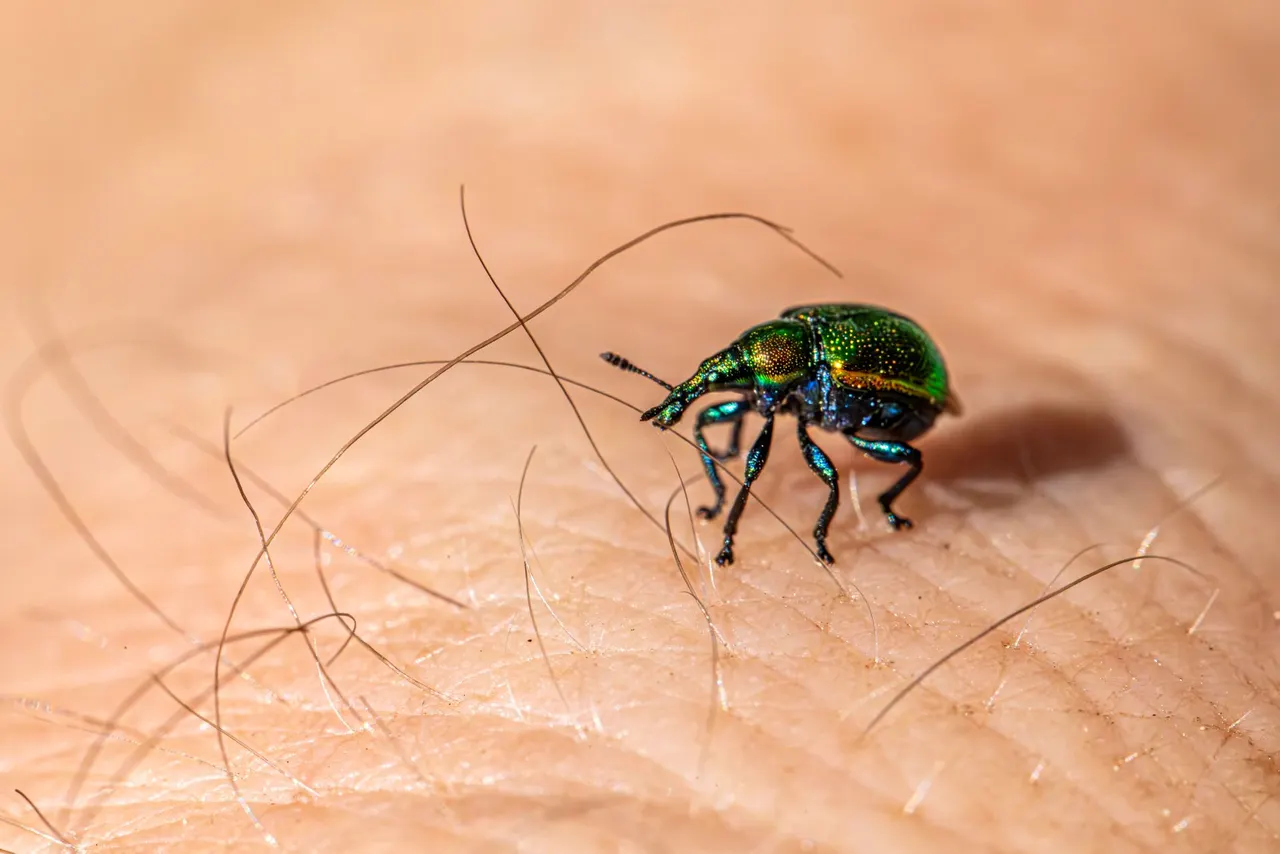
West Village properties bring a broad mix of service calls, from mice in older basements to insects in apartment kitchens and wildlife entering roof spaces. We inspect the affected rooms and exterior before selecting materials or equipment, and we explain preparation steps that fit your household or business. If you need affordable pest control in West Village, tell us the pest, the location, and how long you have seen activity; that information helps us plan a focused visit. Our service menu covers single problems and recurring prevention for homes, apartments, shops, and offices.
For West Village homes and storefronts, we inspect kitchens, basements, utility penetrations, and exterior foundations before treating. We identify the pest first, then use targeted materials and monitors suited to the site. Your service plan may include entry-point recommendations and a follow-up check, especially when activity crosses rooms or appears in more than one unit.
View service →02Rodent Control in West Village begins with checking droppings, rub marks, food sources, and openings around pipes or doors. In older houses and multi-unit buildings, we map activity before positioning bait stations or traps. We also discuss sanitation and exclusion so you know which repairs reduce access instead of relying on repeated trapping alone.
View service →03Mice can move through very small gaps, so our West Village inspection checks basement windows, sill plates, appliance lines, and shared walls. We place traps where evidence shows travel and review food storage and cleanup with you. If activity is inside a wall or ceiling, we check accessible routes and explain what the signs indicate before choosing the next step.
View service →04Rat Removal focuses on locating the route between shelter, food, and the building. For West Village properties, we inspect around foundations, waste areas, garages, and utility openings, then set an appropriate control plan. We explain safe placement and access precautions, and we identify gaps that should be sealed after activity is controlled.
View service →05Cockroach Extermination in West Village starts with checking warm, damp spaces such as kitchens, bathrooms, and plumbing voids. We look for live insects, droppings, egg cases, and hiding places before using targeted baits or other suitable products. In apartments and commercial kitchens, we coordinate treatment areas with the people responsible for the property.
View service →06When ants trail across a West Village counter or along a foundation, we follow the activity to likely entry and nesting areas. Treatment depends on the species and whether the trail is indoors or outside. We use a focused approach and point out food, moisture, or small gaps that help explain why ants are reaching your rooms.
View service →07Spider Control addresses webs, prey insects, and the entry points that let spiders reach West Village living spaces. We inspect basements, storage areas, porch corners, and window frames, then remove accessible webs and treat suitable locations. Your technician can also identify conditions that attract other insects, which may be sustaining spider activity indoors.
View service →08Bed Bug Treatment requires a careful inspection of beds, upholstered furniture, baseboards, and nearby belongings. In West Village apartments, we discuss adjoining-unit coordination when relevant and provide preparation instructions for the affected rooms. We use findings to select the treatment plan and explain what signs to check after service rather than relying on a quick surface application.
View service →09Bed Bug Heat Treatment is planned around room contents, access, and a complete inspection of the affected area. For West Village homes and apartments, we explain preparation and identify items that need special handling before equipment is set up. Heat targets insects in treated spaces, while post-treatment monitoring helps you know whether further action is needed.
View service →West Village Pest Control starts with a room-by-room inspection and an exterior check where access is available. Historic homes can have layered additions, cellar openings, and old utility penetrations; newer developments may have shared service routes or managed common areas. We record where you saw activity, inspect likely pathways, and choose traps, baits, or appropriately labeled insecticides for the pest and site. Insecticide sprayers are used only where the treatment plan calls for them. November brings cooler nights in Detroit, so our inspection also checks sheltered indoor spaces where pests may seek cover. For same-day pest control West Village MI requests, call with the pest, the affected room, and any access restrictions. We discuss available timing by phone and plan around building entry, parking, and property management rules. Treatment directions and product labels govern application; we do not substitute a broad spray for a proper diagnosis.
Rodents can travel behind finished walls and enter through gaps around pipes, cellar windows, or worn door seals. A trap in the wrong room may catch nothing while activity continues along another route. We map droppings, rub marks, and gnawing before placing control devices. Bait stations and snap traps go where evidence supports them, and we note openings that need repair. You get a plan that combines control with practical exclusion instead of relying on bait alone.
Additions, party walls, and inaccessible cavities can make the original source hard to see. In apartments, activity may also cross shared service spaces, so a single room treatment may not address the route. We inspect accessible edges, plumbing penetrations, and adjoining spaces with the building contact when available. Monitors help show whether activity persists after treatment. We explain which areas were checked and identify the next inspection point if signs continue.
Rain, freeze-thaw cycles, and cold snaps can expose worn seals or drive pests toward sheltered spaces. The conditions vary by building, so weather alone is not proof of an infestation. We check door sweeps, foundation joints, vent covers, and damp storage areas when inspecting the property. Where a gap is accessible, we recommend suitable sealants or exclusion screens. We also review moisture and debris conditions that make monitoring less effective.
Pesticide use must follow the product label and applicable Michigan requirements. We select products and application methods for the target pest and site, follow label directions for placement and re-entry, and keep treatment away from unintended areas.
Property upkeep and proper refuse handling affect access to food and shelter for pests. We identify sanitation or building-maintenance conditions relevant to the inspection and explain how correcting them supports treatment without presenting pest service as a substitute for required property upkeep.
West Village's cold winters, wet periods, and warm summers create changing pest pressures throughout the year. Older housing stock with maintenance needs can include cellar windows, worn seals, and concealed utility routes, while new developments may have shared walls and service spaces. Those building features matter more than a neighborhood-wide assumption: we inspect each property for active signs. West Village Pest Control often addresses rodent infestation, cockroach infestation, ant infestation, termite damage, wasp nests, and wildlife intrusion, with treatment based on what is actually present.
Aging mortar, loose cellar windows, and openings around service lines can provide access into basements and wall voids. Stored food and clutter can also give rodents shelter. Cold weather can make indoor spaces more attractive, but a property inspection is needed to identify an active route. We inspect for droppings, rub marks, gnawing, and travel paths before setting devices. Bait stations or snap traps are placed where evidence supports them, and we identify accessible openings for sealing. You get practical steps for storage and monitoring alongside the control work.
Moisture, food residue, and narrow gaps behind sinks or appliances can support cockroach activity. In apartment buildings, insects may move through shared utility spaces, so repeated sightings in one unit can warrant a wider look at adjacent routes. We inspect likely harborages and identify whether activity is limited to one room or connected to a shared space. Targeted baits and suitable products are applied according to site conditions and label directions. We also review sanitation and moisture steps that support the treatment.
Ants may follow food or moisture along window frames, foundations, or plumbing penetrations. Spring and summer activity makes trails easier to notice, but a recurring indoor trail usually has a repeatable route or attractant that needs to be found. We follow the trail as far as possible, identify the likely species when evidence allows, and choose a targeted treatment. We point out food storage, spills, or moisture conditions that contribute to the issue and recommend practical changes for your kitchen or shop.
Loose soffit edges, damaged vent covers, and gaps near roof intersections can let animals reach attics or enclosed spaces. Older homes and later additions can have multiple roof transitions, making the entry route difficult to spot from inside. We inspect accessible roof edges and attic areas for signs of entry and activity. Removal is planned before the opening is secured, so an animal is not trapped inside. We explain the exclusion work needed and identify any areas that require a closer property repair.

For typical 2026 pricing in this area, a focused inspection and treatment for a limited insect problem may run about $150-$350, while rodent control with inspection, devices, and follow-up often ranges from $200-$600. Larger infestations, multiple units, wildlife access work, or bed bug treatment can cost more because they require added labor, equipment, or repeat visits. We consider the pest, square footage, number of affected rooms, access, and the condition of entry points. West Village Pest Control pricing should reflect the actual problem found in your building, not a one-size-fits-all package. We explain the price before starting the agreed service, and you can call with the address and symptoms for a direct discussion.
A single ant trail or isolated spider activity takes less treatment time than a widespread cockroach infestation or an established rodent problem. We check the extent of activity and affected rooms before recommending a plan, so the work and price match the evidence in your West Village property.
Finished walls, attic access, shared basements, and multiple apartment units can add inspection time. Historic homes may have concealed voids or additions that require more careful tracing. Clear access to the affected room and utility areas helps us complete the inspection efficiently.
Some pests need monitoring or more than one visit, while a localized issue may be addressed in one appointment. Bed bugs, termites, and wildlife entry often involve additional steps. We explain the recommended sequence and what follow-up is needed for the specific problem.
We use familiar West Village landmarks to orient travel and confirm the right block before arrival. The Detroit Riverwalk and Jefferson Avenue help describe the area's river-side approach, while Belle Isle Park offers a recognizable reference across the river. Pewabic Pottery is another established Detroit landmark useful when discussing nearby routes. These references are for navigation only; they do not determine whether a property has a pest problem. When you call, a street address and entry instructions help us reach the correct door.
The neighborhood's shops provide a recognizable reference for the commercial area and nearby streets. Sharing the nearest storefront can help clarify which block or entrance serves a West Village appointment.
The Detroit Riverwalk is a Detroit waterfront route that helps orient directions along the river side of the city. It can serve as a geographic reference when locating nearby streets, not as an indicator of pest activity.
Belle Isle Park is a well-known Detroit island park in the river and a clear regional navigation reference. It helps place West Village in relation to the river without implying that the park causes household pest issues.
Jefferson Avenue is a major local street and useful orientation point for reaching addresses in and around West Village. Providing a cross street or building entrance helps distinguish nearby destinations.
Pewabic Pottery is a historic Detroit institution and recognizable point of reference in the east-side area. It can help visitors understand the broader route toward West Village and neighboring communities.
The shops form a walkable neighborhood commercial district with local businesses along nearby streets. Service visits to commercial properties are coordinated with business access and operating needs.
Jefferson Avenue connects multiple Detroit areas and includes a range of commercial and residential destinations. It is a practical route reference when confirming a West Village service address.
Jefferson Avenue is a direct road reference for local access. We use the customer's street number and entrance details to navigate from the corridor to the correct property.
The riverfront route offers a recognizable orientation point near the Detroit River. It is a navigation reference rather than a service location or a measure of travel time.
Our West Village service reaches nearby Islandview and Indian Village as well as properties along the neighborhood's residential and commercial streets. The area's historic homes and new developments call for inspections that account for different foundations, wall assemblies, and shared spaces. We also serve addresses around ZIP codes 48214 and 48207, coordinating entry with residents, landlords, or business managers so the affected rooms are ready for inspection.
The neighborhood combines historic homes, apartments, and a walkable commercial district. We check basements, kitchens, porch structures, and service penetrations according to the building rather than assuming every property has the same pest route. We navigate from Jefferson Avenue and nearby neighborhood streets, arranging entry details with you before inspecting the affected rooms.
Islandview's mix of residential buildings and changing property conditions makes clear entry-point checks useful. We inspect cellar edges, garages, and shared building spaces when rodent or insect activity appears indoors. Islandview is adjacent to West Village, so local street access makes it a natural part of our nearby service route.
Indian Village includes prominent historic homes and mature residential blocks. For pest service, we pay attention to older foundations, additions, wood features, and carefully finished interiors while locating the source of activity. We reach Indian Village through the connected east-side street network and coordinate arrival around property access and parking.
Jefferson Avenue provides a recognizable route alongside a mix of residential and commercial properties. We tailor inspections to the actual site, whether your concern is a storefront pest sighting, a basement rodent route, or an outdoor nest. The corridor helps orient local visits; our arrival plan accounts for the property's entrance, parking, and business hours.
These examples show the inspection logic we use for West Village properties: identify the pest, trace the route, and match treatment to the evidence. Results depend on the building and the infestation, so the numbers below describe the work performed in each example rather than a guarantee for every address. We explain findings and practical follow-up steps before closing a visit.
A resident in a West Village historic home reported mouse droppings in the basement and scratching behind a kitchen cabinet after a cold snap. We inspected the basement perimeter, cabinet plumbing route, and accessible exterior openings. The activity pattern pointed to a gap near a utility penetration. We placed snap traps at evidence-led locations, checked food storage conditions, and recommended sealing the opening after control. The homeowner received a simple monitoring plan to record any new signs over the following week. The initial inspection and device placement took about 90 minutes. The resident reported no fresh droppings during a 7-day monitoring period, then used the identified repair point to reduce the route back indoors.
A small shop near the West Village commercial district noticed ants appearing along a rear counter and near a sink during opening preparations. We followed the trail to the plumbing area, checked for moisture and food residue, and located a narrow access point at the wall edge. We applied targeted ant control suited to the site and reviewed cleaning and storage practices with the manager. A monitor was set in a discreet location so later activity could be compared with the first inspection. The site visit took about one hour, with the counter and sink area available for normal use after the label-directed interval. The manager checked the monitor for 14 days and reported that the visible trail had stopped.
An Islandview tenant heard scratching above a bedroom ceiling and found small droppings near an attic access panel. We inspected the accessible attic route and exterior roof edges, then checked for signs that could distinguish rodent activity from wildlife intrusion. We placed control devices only in suitable accessible locations and documented the suspected entry point for the property contact. The tenant received instructions on avoiding the ceiling void and reporting any change in sound or droppings. The inspection covered 3 accessible areas and took roughly 75 minutes. Follow-up monitoring over 10 days showed no new droppings at the access panel, while the property contact arranged attention to the noted exterior gap.

We had mice in the basement of our West Village house and wanted the entry point found, not just another trap left behind. The technician checked around the pipes, explained the signs, and set traps where the activity was clear. We knew what to watch for afterward and where the repair was needed. The visit took about an hour and a half.
Our shop near Jefferson Avenue had ants coming in beside the sink. The technician followed the trail, treated the right area, and pointed out the gap at the wall edge. We also got straightforward cleaning steps for the staff. The ants stopped showing up during the next two weeks, and the service was arranged around our opening schedule.
I heard scratching over the ceiling in my Islandview apartment and was worried an animal had gotten into the building. The technician checked the accessible attic area and roofline, explained what the droppings suggested, and set out a monitoring plan. The property manager received the location of the exterior gap, which helped us decide what to address next.
November is the current seasonal shift in West Village: colder nights can bring more reports of rodents seeking sheltered indoor routes, so check cellar doors and utility gaps now. Winter inspections focus on enclosed spaces and fresh signs rather than assuming cold weather stops activity. As the year turns, thaw and spring rain can reveal openings or standing water; summer brings more visible ants, mosquitoes, and stinging insects; fall sends rodents toward warm buildings again. If you need 24/7 pest control West Village near me, call to report an urgent hazard and the exact location.
Warmer days and spring rain can make ants, spiders, and mosquitoes more noticeable around West Village homes. Check low areas for standing water and watch foundations for new trails. Termite inspection is also useful when you see mud tubes, damaged wood, or unexplained changes near accessible timber.
Summer supports more visible mosquito, flea, tick, and stinging-insect activity. Wasps may build nests under eaves or porch structures, while ants can follow food and moisture indoors. Keep people away from an active nest and avoid spraying an unknown colony yourself.
As nights cool, mice and rats may investigate basements, garages, and gaps around doors. Leaves and stored items can conceal openings near the foundation. Interior scratching or new droppings are worth checking promptly, especially before storage spaces are closed for winter.
Cold Detroit weather does not stop indoor pest activity. Rodents can remain active in warm wall voids and basements, while cockroaches may persist near heat and moisture. Fresh droppings or nighttime sounds are useful clues, particularly in older West Village homes.
West Village sits within a connected Detroit service region, and our routes also cover nearby neighborhoods and commercial districts. If you manage properties in more than one area, we can discuss the pest issue and address for each site separately. The neighboring locations below are part of our broader Detroit coverage, with service plans based on the building, pest evidence, and access needs at each property.

Downtown Detroit lies northwest of West Village within the same Detroit service area, connecting residents and businesses to our broader local routes.
Local coverage and details
Midtown Detroit is farther inland and northwest of West Village, with separate residential and institutional property needs served in our Detroit region.
Local coverage and details
Corktown is west of West Village across central Detroit, and customers with properties in both areas can request service through the same local team.
Local coverage and details
Mexicantown is southwest of West Village and part of our wider Detroit coverage for residential and commercial pest concerns.
Local coverage and detailsA strong pest contractor for West Village can explain what will be inspected, why a treatment fits the pest, and what you should do afterward. Ask how the technician distinguishes active signs from old evidence, especially in a historic home or shared apartment building. You should also get a clear account of preparation, access, and the expected follow-up. If the answer is only a product name or a promise to spray every room, ask for the inspection logic behind the recommendation.
A good answer names the signs the technician will check: droppings, rub marks, trails, gaps, or damaged screens. Entry-point work is especially important in older West Village buildings. The explanation should connect the evidence to the proposed devices or treatment, not jump straight to a generic application.
The contractor should identify the treatment type and the areas where it will be used, while following product-label directions. This question helps you understand how the plan accounts for children, pets, food preparation, and access. A clear response separates targeted work from unnecessary whole-room application.
Shared plumbing routes and wall voids can affect how insects or rodents move between units. The answer should explain what is accessible, how the property contact is involved, and what information you need to provide. A technician should not claim to inspect spaces they cannot enter.
A useful plan gives you observable follow-up markers, such as new droppings, fresh trails, or activity at a monitor, and a reasonable period for checking them. That helps distinguish expected post-treatment activity from a continuing infestation and makes a follow-up visit more productive.
Sealing an occupied route can trap an animal inside a wall or attic. The contractor should describe how they confirm activity, plan removal, and secure the entry after the space is clear. That sequence protects the building and avoids turning an access problem into a larger repair.
National Pest Management Association
National Pest Management Association
General liability coverage for pest management operations
Member
Professional participation
A focused insect treatment often runs about $150-$350, while rodent control commonly ranges from $200-$600 in 2026. Price depends on the pest, affected rooms, building access, and whether monitoring or follow-up is needed. Bed bug, termite, and wildlife jobs can require more labor or equipment. Call with your address and the signs you have seen for a plan based on your property.
The right provider is one that inspects first, explains the pest evidence, and matches treatment to your building. Ask about licensing, product use, access planning, and how results will be monitored. Aardvark Motown Pest Control serves West Village and nearby Detroit neighborhoods, handling rodent, insect, and wildlife concerns with property-specific inspections. Call us to describe the problem and discuss the next step.
You should arrange an inspection if you find fresh droppings, repeated insect trails, damaged food packaging, scratching in a ceiling, or a nest near an entrance. A single outdoor insect does not always indicate an infestation, but recurring signs inside deserve attention. Our residential pest control West Village visits check the affected rooms and likely entry routes before recommending treatment.
West Village service calls commonly involve mice and rats, ants, cockroaches, spiders, wasps, and wildlife entering roof or foundation openings. Pest activity depends on the property and season, not simply the neighborhood name. Older housing stock can have concealed gaps, while apartment buildings may have shared service routes. We inspect for evidence before selecting a control method.
Choose a company that can explain its inspection process, treatment choice, safety steps, and follow-up plan in plain language. Confirm the technician holds the appropriate Michigan pesticide credentials and follows product-label directions. Compare the service details, not just the first price. For affordable pest control in West Village, tell us the pest, affected rooms, and building type so we can discuss a focused approach.
Not seeing your question? Our local team can help you understand urgency, scheduling and what to expect.
Ask the local team
Call Aardvark Motown Pest Control at (313) 879-5917 to discuss insects, rodents, bed bugs, termites, or wildlife at your property. Our regular phone hours are Monday through Friday, 8:00 a.m. to 6:00 p.m.; leave a message outside those hours and include your Detroit neighborhood and the pest activity you noticed. We will respond during business hours.