Focused arrival windows
Useful updates and clear arrival timing.
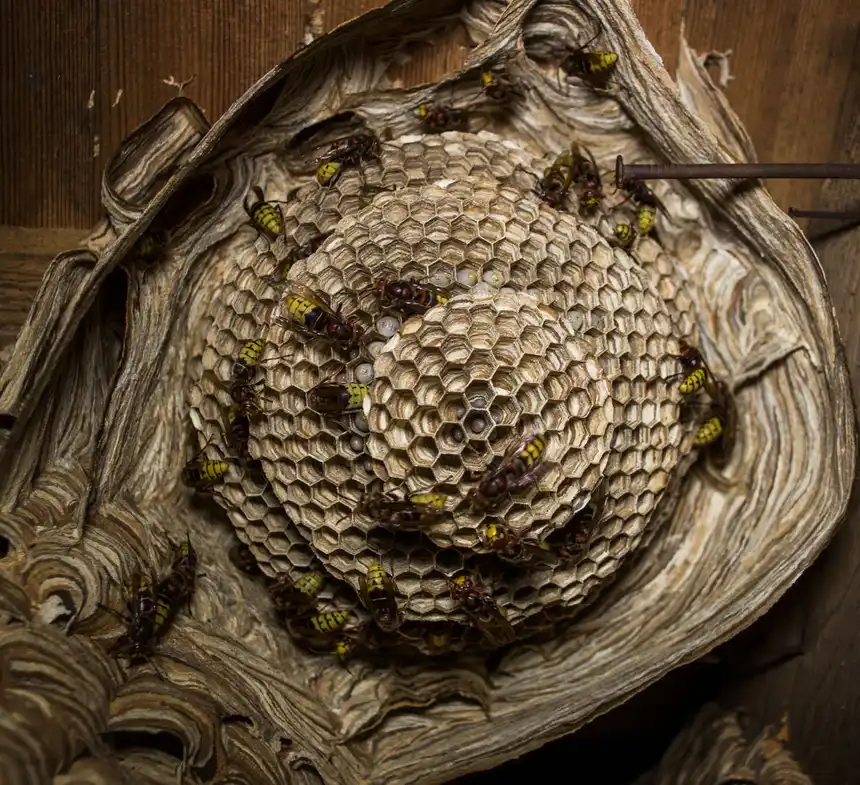
Pest Control in Greektown needs a plan for restaurant activity, nightlife foot traffic, shared walls, and older commercial buildings. At Aardvark Motown Pest Control, we inspect the actual entry points and pest conditions before choosing a treatment. Our Greektown Pest Control work covers restaurants, residences, and commercial spaces near Monroe Street and Beaubien Street, with clear steps for reducing active pests and preventing their return.
Useful updates and clear arrival timing.
Review the approach and price before deciding.
Equipped vehicles and respectful cleanup.
Neighbors serving neighbors with follow-through.
Pest Control in Greektown is a property-protection service that identifies, treats, and helps prevent pest activity in homes and businesses. Aardvark Motown Pest Control works across this high-density restaurant and entertainment district, where food service operations, shared walls, delivery activity, and older commercial buildings call for careful inspection rather than a one-size treatment. We serve the Greektown Historic District, Monroe Street, and Beaubien Street, including addresses in ZIP codes 48226 and 48207. Our technicians trace activity to the conditions that support it, then explain the treatment and practical changes that help limit repeat visits from pests. For property managers, restaurants, and residents, Pest Control near Greektown means accounting for access to service areas, tenant schedules, and adjacent spaces. We look for evidence, not assumptions, and tailor placement and follow-up to the building.
Greektown's busy dining rooms, older commercial buildings, and apartments above retail create different pest-control needs within a few blocks. We inspect kitchens, storage spaces, utility penetrations, and shared access points before recommending treatment. If you're looking for affordable pest control in Greektown, a focused visit starts by matching the plan to the pest, the building, and the operating schedule. We handle routine prevention and active infestations for residential and commercial customers, with attention to safe placement and practical follow-up.
Our general service begins with an inspection of the areas where you see activity, including kitchens, utility rooms, and entry points in older commercial properties. We select targeted materials and monitoring suited to the pest and site. For businesses near Monroe Street, we can coordinate treatment around food preparation and customer access, then explain what to watch for afterward.
View service →02Rodent work in Greektown starts with checking wall gaps, pipe penetrations, receiving areas, and shared alleys for travel signs. We identify likely access routes and use appropriately placed bait stations or traps, away from customers and pets. Your plan also addresses sanitation and exclusion steps so activity in one suite is less likely to persist through adjoining spaces.
View service →03Mice can move through small openings around plumbing, doors, and service penetrations in older buildings. We inspect the affected room and neighboring pathways, place snap traps or monitors where evidence supports them, and show you gaps that need sealing. For apartment and office customers, we coordinate access to relevant units rather than treating a single symptom blindly.
View service →04Rat removal addresses the source of activity as well as the immediate sighting. We inspect refuse areas, lower levels, loading access, and alley-facing openings, then set a controlled plan using suitable traps or secured bait stations. In restaurant settings, we also review food storage and waste practices with the manager so the treatment is supported by daily operations.
View service →05Cockroach inspections focus on warm, damp harborages near kitchen equipment, drains, and storage. We use targeted baits, monitors, or other appropriate materials instead of treating every surface indiscriminately. For a cockroach infestation in a restaurant or mixed-use building, access to adjacent rooms and consistent cleaning are important parts of reducing activity.
View service →06When ants appear along counters or window edges, we trace their route and look for the food or moisture source sustaining the trail. Treatment is selected for the ant activity and placed where people and food are protected. In Greektown businesses, we pay particular attention to service doors, stored supplies, and cracks that connect interior rooms to exterior walls.
View service →07Spider service includes removing accessible webs and checking the corners, storage areas, and entry points where insects and spiders gather. We identify the conditions supporting their presence and use targeted treatment when appropriate. For offices and apartments, our technicians explain which areas need routine housekeeping and which gaps should be sealed to reduce entry.
View service →08Bed bug treatment starts with a close inspection of beds, upholstered furniture, seams, and nearby cracks. We confirm signs before planning treatment and explain preparation steps for residents or lodging operators. In a building with multiple units, we help identify whether adjoining rooms also need inspection so activity is not simply shifted from one space to another.
View service →09Heat treatment uses controlled equipment and room-by-room preparation to address bed bugs in likely hiding places. We review belongings, access, and heat-sensitive items before the work begins, then monitor conditions during treatment. For Greektown apartments or guest accommodations, coordination with the property contact helps keep rooms clear and makes follow-up inspection more effective.
View service →Greektown Pest Control starts with a site inspection that distinguishes active evidence from old marks and identifies where pests enter or feed. In older commercial buildings, we check wall and floor transitions, pipe openings, storage, and alley-facing doors. A technician can place monitors or traps after establishing the route; treatment is not simply sprayed across a room. We coordinate with restaurants and property managers around food preparation, deliveries, residents, and customer traffic. For same-day pest control Greektown MI calls, tell us what you saw, the room or unit, and whether food or people are present so we can plan the visit. Winter freezes and spring thaws can change moisture and access conditions, so we check relevant exterior gaps as well as interior activity. We use labeled products according to directions and keep treatment areas controlled. Parking and building access are arranged around the actual address, with the Detroit People Mover Greektown Station and nearby streets serving as practical orientation points.
A sighting in one kitchen may relate to a route through a wall void, shared utility chase, or receiving area. Treating only the visible corner can leave the underlying route active, while a broad application can interfere with food operations. We inspect the kitchen and relevant adjoining access points, identify likely travel routes, and place targeted monitors or baits where they can be checked. We coordinate timing with the manager and discuss food storage, waste handling, and sealing gaps that the inspection confirms.
Service doors and refuse areas can be busy, and equipment placement must not obstruct employees, visitors, or deliveries. Outdoor activity also needs to be distinguished from pests entering the building. We agree on a safe access point with the property contact, keep tools and materials controlled, and inspect the route from exterior evidence to interior signs. Treatment and monitoring are positioned so they do not block normal use of a walkway or service entrance.
Older construction can include irregular gaps around pipes, floor edges, and repaired walls. These openings provide routes that may not be visible from the room where a pest was first noticed. We inspect accessible transitions and use a flashlight and monitoring points to narrow down movement. Where appropriate, we recommend durable sealants or exclusion materials after activity is assessed, while keeping vents, drains, and required building functions clear.
Pesticides must be used according to their labels, including approved sites, placement, and safety directions. We select products for the pest and setting, follow label restrictions, and explain any re-entry or preparation instructions relevant to your specific service.
Michigan's pesticide oversight governs commercial application requirements and applicator credentials. Our service planning accounts for the applicable licensing and safe-use rules, with treatment decisions based on inspection findings and the product label rather than convenience.
Greektown's restaurant activity, dense building layout, shared walls and alleys, and older commercial properties shape the kinds of pest calls we receive. Detroit's cold winter conditions push rodents toward protected indoor spaces, while warm, humid periods support insect activity where food and moisture are available. These conditions do not mean every property has a problem; they guide where we inspect. For pest control services Greektown customers, the useful first step is locating the pest, its route, and the condition that allows it to remain.
Food storage, refuse access, and shelter can attract rodents to commercial buildings, while small gaps around doors or pipes provide entry. Cold weather increases the value of indoor shelter. In connected buildings, activity may travel beyond the room where droppings were first noticed. We inspect signs and likely routes, use appropriately placed traps or secured bait stations, and identify openings that need exclusion. We also review waste and storage practices with the property contact, then check monitors to see whether activity is declining.
Food residue, moisture, warmth, and tight hiding places support cockroach activity. Kitchen equipment and plumbing areas can offer all four, particularly where cleaning access is limited. Movement through a shared wall or utility route can complicate a single-room treatment. We inspect the kitchen and adjacent areas, place monitors to map activity, and use targeted treatment suited to the site. We coordinate with staff on cleaning access and food protection, then use follow-up findings to refine the treatment instead of applying material everywhere.
Ants follow available food and moisture and can use small cracks at exterior doors or wall transitions. Busy receiving areas and stored ingredients make sanitation and route identification important. Wiping a trail removes visible ants but may leave the source and pathway untouched. We trace the trail, identify likely entry and attractants, and select a targeted bait or treatment. We explain how to protect food and reduce accessible residue while the control works, then check whether activity has shifted or stopped.
Bed bugs move with people and belongings and can hide in mattress seams, furniture joints, and nearby cracks. A building's occupancy and turnover do not prove an infestation, but they make quick identification important when credible signs appear. We inspect likely hiding places and confirm evidence before recommending treatment. For a verified issue, we explain preparation, select an appropriate method, and consider adjoining rooms where the inspection supports it. Follow-up checks help confirm whether activity remains.

Typical 2026 pricing in Greektown depends on the pest, the size of the treated area, and whether the job needs monitoring or repeat visits. A basic targeted visit for a small, contained issue often falls around $180-$450; larger restaurant or multi-unit work may range from $450-$1,500 or more based on inspection findings and service frequency. Bed bug treatment, heat work, wildlife exclusion, and confirmed termite activity require property-specific pricing because access and preparation differ. Greektown Pest Control pricing also reflects whether a technician must coordinate several units or work around food-service hours. We explain the price before treatment. A clear report of where you saw activity, the building type, and the affected rooms helps us plan the right visit.
A few ants in one room require less work than a confirmed cockroach infestation across a kitchen and adjoining storage space. Identification, treatment method, and follow-up needs shape the price. We inspect first so you are paying for a plan that fits the pest and affected area.
Older commercial buildings can have shared walls, locked utility rooms, and multiple occupied units. Additional access coordination or inspection of connected spaces adds labor. Tell us which rooms and units are available so we can set an efficient route and avoid repeat trips caused by missed access.
Some jobs need a follow-up visit to check monitors, confirm reduced activity, or complete a staged treatment. A one-time treatment and a scheduled service plan are priced differently. The pest, evidence at inspection, and building conditions determine how many visits make sense.
Our team uses familiar public landmarks to orient a service route, then confirms the exact address and entrance with you. Greektown has busy streets and limited curbside space, so knowing whether the visit is for a storefront, apartment lobby, or rear service entrance helps avoid confusion. Landmarks below are navigation references only; the service location is always the property you identify.
The Greektown Casino-Hotel is a prominent reference point for locating the surrounding Greektown blocks. We use it for general orientation, then follow your street address and access instructions to the service property.
Old St. Mary's Church is a familiar landmark in the Greektown area and helps distinguish nearby streets when planning a route. It serves only as a geographic reference, not as an indication of a service need.
The Detroit People Mover Greektown Station identifies a transit access point in the district. It can help customers and technicians orient themselves to the surrounding blocks before proceeding to the confirmed property entrance.
Monroe Street restaurants form a visible part of Greektown's dining and entertainment scene. Businesses vary in layout and service hours, so a pest-control visit is planned around the specific operator's access and work areas.
The Greektown Historic District includes restaurants, entertainment businesses, hospitality properties, and other commercial uses. The mix of premises means each inspection is based on the individual building and its current use.
The station provides transit access within the district and a useful orientation point. Service access still depends on the property's street entrance, loading arrangements, and building contact.
Monroe Street runs through a central commercial area with active pedestrian and business access. We confirm the exact address and practical drop-off point before the visit.
Our Greektown service area includes the core historic district and nearby commercial and residential blocks connected to its daily activity. We use the exact property address to plan access, not a broad neighborhood assumption. That matters when a restaurant entrance, apartment lobby, or rear service door has different hours and restrictions. We also serve nearby Detroit properties in ZIP codes 48226 and 48207.
The district combines restaurants, entertainment, hospitality, and older buildings within a compact area. We account for food-service schedules, shared walls, and public-facing entrances when inspecting kitchens, storage rooms, apartments, or offices. We route to the address through central Detroit streets and coordinate building access with your manager or resident contact.
Monroe Street is a recognizable restaurant and entertainment corridor. For a service visit, we identify the correct storefront or building entrance and work around receiving schedules, customer areas, and the operating needs of the business. We use the street address and agreed entry point to reach the correct property without interrupting nearby business access.
Beaubien Street provides access to Greektown businesses and nearby buildings with varied uses. Pest inspections here may involve a storefront, upper-floor residence, or service space, so we confirm the affected unit and any shared access before beginning. Our technician confirms the street-side entrance and any rear or managed access instructions before arrival.
Addresses near Greektown that use ZIP code 48207 connect to the same central Detroit service area while differing in building layout and access. We inspect each property on its own conditions, including lower-level openings, shared refuse areas, and adjoining units. We schedule from the property address and coordinate with building contacts for secure entry and service access.
The examples below illustrate the inspection and treatment decisions that suit Greektown's mixed-use buildings and active businesses. Each case describes a common service pattern, not a promise that every property will need the same work. We inspect first, target the identified pest, and use monitoring or follow-up to judge whether activity is declining. Results depend on the building and the conditions found.
A restaurant manager reported rodent signs near a receiving door and along a shared wall connecting to a service corridor. We inspected the receiving area, checked the adjoining wall and door sweep, and mapped evidence before placing secured monitoring and control devices. We reviewed deliveries and refuse handling with the manager, then identified a gap for sealing after activity was addressed. The plan kept customer seating and food-preparation surfaces outside the treatment area. At the 14-day check, the manager reported no new droppings in the inspected receiving area and the monitoring points showed reduced activity. The door gap was scheduled for correction as part of continued prevention.
An apartment resident found cockroach activity under a sink and near a shared plumbing opening in an older building. We inspected the kitchen, bathroom plumbing access, and nearby cabinet edges, then placed targeted monitors to confirm movement. Treatment focused on the affected areas, with the resident given clear instructions for food storage and access. We asked management to review the adjacent utility route so the response addressed the building connection as well as the unit. The resident reported fewer sightings within 10 days, and the follow-up inspection found no fresh activity on the checked monitors. The building contact received the access-point findings for repair.
A Greektown office reported mice in a storage room after colder weather, with droppings near boxed supplies. We inspected the storage room, baseboard transitions, and pipe penetrations, then placed snap traps and monitors along evidence-based travel routes. We recommended moving supplies 6 inches from the wall to keep inspection access clear and sealing a confirmed opening. The office manager received a simple monitoring schedule. At the 21-day review, no new droppings were found in the inspected storage area and the access gap had been sealed. The manager retained clear access for ongoing checks.

We had a mouse issue near the back door of our restaurant. The technician checked the delivery area and the wall opening instead of just setting traps where we saw activity. He explained what we needed to move and where the monitoring points were. The follow-up was straightforward, and the receiving area stayed clear during business hours.
I called about roaches in my apartment kitchen and was given a clear plan for inspection and treatment. The technician checked under the sink and around the pipe opening, then showed me what to clean and keep sealed. We had fewer sightings afterward, and the visit was arranged around access to the building.
Our office had mice in a storage room, and the technician checked the room's edges and entry gaps before placing traps. I appreciated the specific instructions about keeping boxes off the floor and watching the monitors. The service was practical and did not disrupt the workday more than necessary.
As November brings colder conditions, rodents seeking shelter become a practical concern in Greektown buildings, while indoor kitchens continue to support pest activity year-round. Winter inspections focus on entry gaps and sheltered routes. Spring thaw can expose moisture and openings; summer brings more outdoor insect activity and standing-water checks; fall prompts another review of doors and storage. If you search for 24/7 pest control Greektown near me, describe the pest and immediate risk when you call so we can advise on the right service response.
Thawing weather can reveal water intrusion, disturbed sealant, and gaps around lower-level doors. Ant activity often becomes easier to spot as temperatures rise. Check storage rooms and the edges of kitchens for trails, moisture, and new openings after winter.
Warm weather increases mosquito and stinging-insect activity, while restaurant doors and receiving areas see frequent use. Standing water can support mosquito breeding, and wasp nests may become visible near building edges. Keep outdoor service areas clear enough for inspection.
As temperatures drop, mice and rats look for protected indoor routes through door gaps, utility openings, and storage areas. Food deliveries and seasonal stock can also create hiding places if boxes remain undisturbed. Check receiving areas and lower levels for fresh signs.
Cold weather increases the importance of indoor rodent monitoring and entry-point inspection. Heating systems keep some insect harborage areas warm, so kitchens and utility rooms can remain active even when outdoor activity slows. Building access and safe placement remain central to treatment.
Greektown is part of Aardvark Motown Pest Control's broader Detroit service region. Our technicians cover nearby districts with different mixes of restaurants, apartments, offices, and older properties, coordinating appointments from the address and the access details you provide. If your property portfolio spans multiple neighborhoods, we can discuss the locations together and keep the service plan specific to each building. These nearby pages describe coverage across the same Detroit area.

Downtown Detroit borders Greektown's central service area, making it a closely connected stop for commercial and residential property visits.
Local coverage and details
Midtown Detroit lies north of Greektown within the same Detroit service region, with access planned by property address.
Local coverage and details
Corktown is another Detroit neighborhood in our service area, west of central Greektown and reached by local street routes.
Local coverage and details
Mexicantown is part of the wider Detroit coverage area southwest of Greektown, served through scheduled property visits.
Local coverage and detailsA good contractor can explain what they will inspect, how they will identify the pest, and why a treatment fits your Greektown property. Ask about training, product labels, access, monitoring, and follow-up. In a restaurant or multi-unit building, the technician also needs to understand how to protect food areas and coordinate shared access. A clear answer should connect the treatment to evidence at your property, not rely on a generic promise or a spray applied without inspection.
Correct identification determines the treatment and helps avoid paying for controls that do not fit the evidence. A strong answer describes inspection points, signs to check, and how monitors may be used. In Greektown's mixed-use buildings, ask whether the technician will consider adjoining routes when the evidence suggests shared access.
Restaurants, apartments, and offices have different preparation and access needs. The contractor should explain where products or traps will go, what must be moved, and any label-based safety steps. A specific answer shows the treatment plan accounts for your daily operation instead of treating every room the same way.
Commercial pesticide work must follow Michigan requirements and product directions. Ask which applicable credential covers the service and whether the technician will follow the product label for placement and use. The answer should be direct and relevant to the work being performed at your property.
Monitoring and follow-up make the result measurable. Ask what signs the technician will look for, when monitors will be checked, and what would trigger an adjustment. For rodents or cockroaches in connected buildings, continued evidence can show whether another access point or neighboring space needs attention.
Shared walls, locked utility rooms, and tenant schedules can prevent a complete inspection if access is not arranged. A capable contractor will clarify which areas matter and work with the designated contact. This reduces missed rooms and makes it easier to address a building route rather than one visible symptom.
National Pest Management Association
National Pest Management Association
General liability coverage for pest-control operations
Member
Local service provider
A focused visit often costs about $180-$450, while larger or multi-unit jobs can range from $450-$1,500 or more. Typical 2026 pricing depends on the pest, building size, access, and need for follow-up. Bed bug heat treatment, termite work, and wildlife exclusion require an inspection because preparation and access vary. Call with the pest, address, and affected rooms for a relevant price.
Choose a licensed provider that inspects first, explains treatment placement, and can work around Greektown's restaurant and apartment access needs. Aardvark Motown Pest Control has served Detroit since 1980, with 46 years in business as of 2026. Ask how the technician identifies the pest, protects food and occupied areas, and checks whether activity has stopped before you hire.
Repeated sightings, fresh droppings, damaged food packaging, nest activity, or bed bug evidence are good reasons to arrange an inspection. One isolated sighting may have a single entry source, but activity in multiple rooms can point to a larger route through shared walls or utility openings. We inspect the property and recommend treatment based on what we find.
Rodents, cockroaches, ants, bed bugs, spiders, and seasonal wasps or mosquitoes are common service concerns in Greektown. Restaurant food operations, older commercial buildings, shared access, and changing Detroit weather shape where we inspect, but they do not prove a property has an infestation. We identify the pest and its route before choosing treatment.
Compare licensing, inspection methods, treatment explanations, follow-up practices, and experience with your building type. Ask how the provider handles food-service spaces, shared walls, and tenant access. A company should explain what it found and what the next step is in plain language. For urgent needs, ask whether same-day pest control Greektown MI service is available for your pest and address.
Not seeing your question? Our local team can help you understand urgency, scheduling and what to expect.
Ask the local team
Call Aardvark Motown Pest Control at (313) 879-5917 to discuss insects, rodents, bed bugs, termites, or wildlife at your property. Our regular phone hours are Monday through Friday, 8:00 a.m. to 6:00 p.m.; leave a message outside those hours and include your Detroit neighborhood and the pest activity you noticed. We will respond during business hours.