Focused arrival windows
Useful updates and clear arrival timing.
Apartment Pest Control in Detroit helps renters, owners, and property managers address pests that move through kitchens, utility lines, basements, and shared walls. We inspect the affected unit and nearby entry points, identify the pest, then match treatment to the building and infestation. If you have droppings, bites, or repeat sightings, our team works to contain activity and reduce the routes pests use to return.
Useful updates and clear arrival timing.
Review the approach and price before deciding.
Equipped vehicles and respectful cleanup.
Neighbors serving neighbors with follow-through.
Apartment service includes pest identification, an inspection of affected rooms and accessible routes, targeted treatment, and instructions for preparation or follow-up. The exact work depends on the pest and evidence; rodents, bed bugs, and ants need different methods. We explain what the visit covers and the price before work begins. Building-wide repairs or treatment in inaccessible neighboring units require coordination with the property manager.
We inspect the reported rooms and nearby areas for live pests, droppings, trails, damaged packaging, or other signs. We check common harborages such as under sinks and behind appliances, then identify the likely pest before recommending treatment.
We apply a pest-specific plan to the affected areas, using appropriate baits, traps, monitors, or labeled products. Placement follows the pest's travel routes and the room's use, with clear instructions for occupants and pets.
We look for accessible gaps around pipes, doors, and baseboards that could allow pests to travel. You receive practical notes about sealing and sanitation steps that support treatment, including which concerns should be shared with building management.
We explain what signs to monitor and when to report new activity. If the infestation calls for a return check, we use trap or monitor findings to assess progress and adjust placement rather than relying on memory alone.
Share what is happening and receive a clear next step from the local team.
Apartment Pest Control in Detroit is a building-focused pest management service that identifies, treats, and monitors pest activity inside units and shared spaces. We check kitchens, bathrooms, pipe penetrations, baseboards, storage areas, and accessible common areas for evidence and entry routes. Treatment can include targeted baits, traps, insecticides, sealing recommendations, and follow-up monitoring. The plan depends on the pest and the building; a cockroach infestation needs different placement and preparation than mice moving along a basement joist or through a utility chase.
Detroit apartments range from older brick buildings with shared basements to renovated lofts and multi-unit properties with frequent occupant turnover. Cold weather can push rodents indoors, while warm, damp conditions around drains and refuse areas support insects. Our apartment pest control services Detroit MI approach considers the whole route, not only the room where you saw a pest. If you searched for apartment pest control near me Detroit MI, we inspect the conditions behind repeat activity and explain the next practical step.
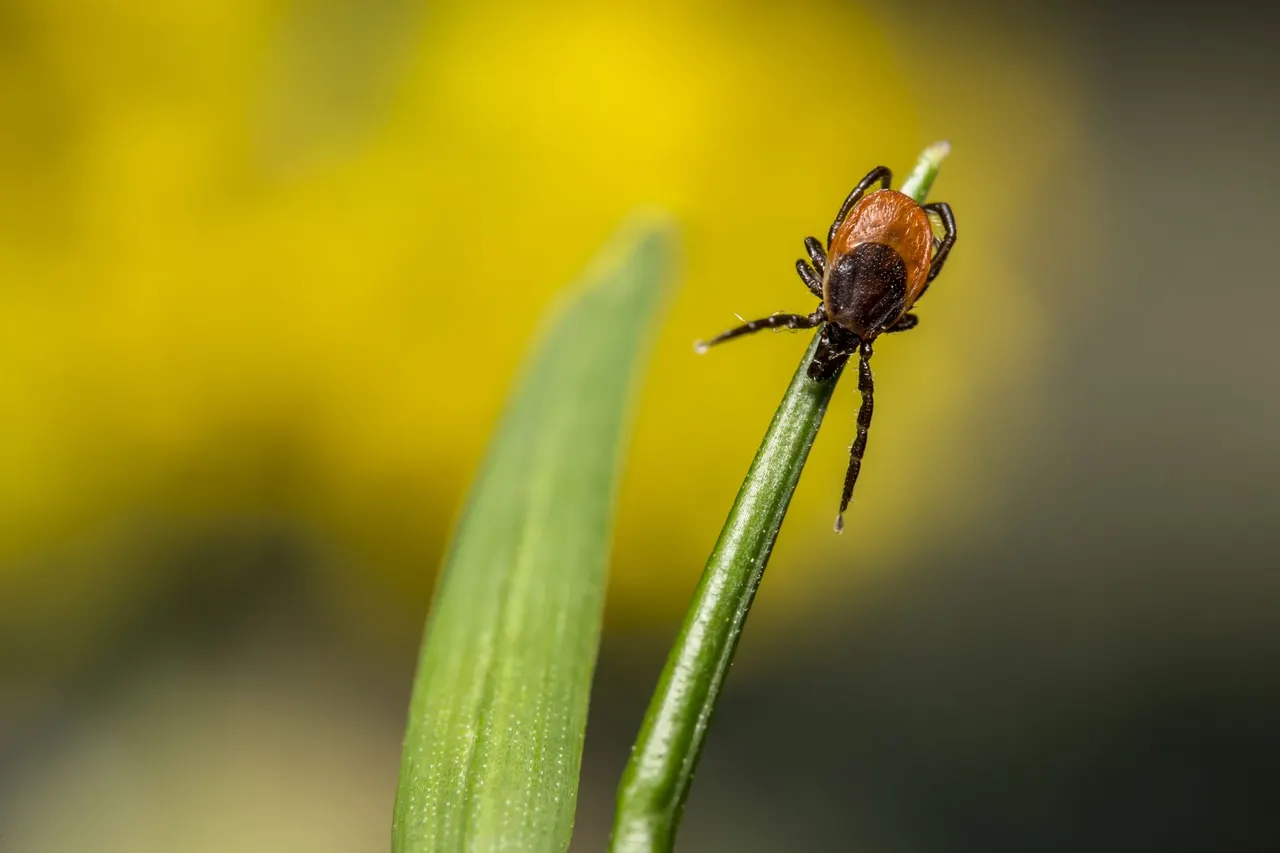
We begin with your report: where you saw activity, how often it happens, and whether neighbors have reported the same issue. Photos, droppings, cast skins, or damaged food packaging can help narrow identification. The initial discussion takes about 10 to 15 minutes and helps our technician prioritize the areas to inspect.
Our technician checks likely food, water, shelter, and entry points, including cabinet corners, appliance gaps, plumbing penetrations, and accessible storage. A standard apartment inspection often takes 20 to 40 minutes, depending on size and access. We distinguish active evidence from old signs before choosing a treatment, because the wrong identification wastes time and product.
We describe what we found, which rooms need attention, and what you should move or clean before treatment. For example, a roach bait application requires access to cabinet edges and careful food storage; rodent work may require clear access along a wall. You hear the plan before we apply products, and we answer questions about pets and occupants.
We place targeted products where the pest travels, rather than coating open living surfaces without reason. Depending on the finding, that can mean bait stations, glue boards, snap traps, or an approved insecticide application. Treatment time is often 30 to 90 minutes for one unit; larger or heavily affected apartments take longer.
Before leaving, we explain product-specific re-entry or cleaning directions and identify any repairs that will help close access routes. If monitoring is needed, we set a practical check-in interval, often 7 to 14 days for active activity. You know what signs to watch for and how to report fresh evidence so follow-up is useful.
We place bait stations in suitable locations along identified pest routes, keeping them positioned according to the target pest and product label. They help control activity while limiting access by occupants and pets.
Glue boards monitor insect or rodent activity in selected locations. Their catches help show where pests travel and whether activity continues after treatment, giving the next inspection a useful comparison.
Snap traps are placed along rodent travel routes where evidence supports their use. Correct positioning and regular checks matter; we explain where they are located and how to avoid disturbing them.
For suitable cases, insecticide sprayers apply labeled products to targeted areas rather than indiscriminately coating a room. Product selection, placement, and any re-entry instructions follow the label.
Thermal imaging cameras can help investigate certain concealed activity or temperature differences during an inspection. They support visual assessment but do not replace pest identification or direct evidence.
We combine inspection, identification, sanitation guidance, monitoring, and targeted treatment. The approach starts with evidence and considers food, water, shelter, and entry. It avoids relying on repeated broad applications when a practical repair or a better placement can address the route.
For suitable insects, we place baits near confirmed travel paths and monitors where they can show ongoing activity. We explain why each location was chosen and review results at the appropriate interval. You should avoid moving devices unless instructed, so monitoring remains useful.
We use evidence to select trap locations along walls and near access routes, then identify openings that could allow continued entry. Trapping addresses active animals; exclusion helps prevent new ones from following the same route. Shared-building repairs may require property management access.
Any pesticide application follows its label, including placement, quantity, and safety directions. We explain preparation and re-entry guidance based on the product used and the treated area. Clear instructions help you protect food, belongings, children, and pets during the service.
We inspect the cabinet, pipe openings, and nearby baseboards, then check accessible routes toward the basement or shared utility area. The technician places suitable traps and points out entry gaps that need repair. You receive clear instructions for food storage and what fresh evidence to report. You know whether signs are active, where control devices are placed, and which repair or management contact can help stop repeat entry.
We inspect both reported areas when access is arranged, looking for shared plumbing routes and common harborages. Targeted bait and monitoring help show where activity is concentrated. We give the property contact practical notes so access to related units or shared spaces can be coordinated. Treatment can address the route behind the reports rather than treating each kitchen as an unrelated incident.
We inspect the bed frame, mattress seams, and nearby furniture to verify activity. Our technician explains the selected treatment and preparation steps before work begins, including how to manage linens and belongings. If a connected unit has signs, we recommend coordinating inspections through management. You get a confirmed assessment and a focused plan before the suspected infestation spreads through furniture or belongings.
We follow the trail to likely moisture and entry points, inspect around plumbing, and place an appropriate targeted treatment. We also note visible gaps and conditions that building staff can correct. You receive simple guidance about cleaning and keeping the route clear for monitoring. The trail has a documented source and treatment plan, with practical steps to reduce the food and moisture drawing ants indoors.
Apartment pest control Detroit MI needs to account for both the unit and the building around it. Detroit's cold winter periods drive rodents toward heated spaces, while spring and summer bring more insect activity around doors, windows, drains, and refuse areas. Older brick walk-ups and converted properties may have shared basements, aging pipe penetrations, or wall voids that connect units; newer apartments still face pests arriving in deliveries, luggage, and used furniture. We inspect the conditions rather than assuming age alone explains the problem. In Downtown Detroit and Midtown, service often involves elevator access, managed common areas, and scheduled entry. In Corktown and Southwest Detroit, a basement or rear refuse area can be relevant to reports inside a unit. If you searched for apartment extermination Detroit MI, we check the evidence, treat the affected route, and communicate practical findings for property coordination. We follow pesticide label directions and applicable Michigan requirements, and we explain occupant preparation before treatment. Detroit, MI service includes Wayne County locations and ZIP areas 48201, 48202, and 48209; call (313) 879-5917 to discuss your building.
High-rise access, shared service rooms, and managed entry can shape inspection scheduling. We coordinate the affected unit and relevant common areas so findings are useful to building staff.
Older apartments and renovated buildings can have varied pipe routes and wall construction. We inspect kitchen and bathroom penetrations where activity may travel between rooms.
Converted buildings may combine residential spaces with older basements and rear refuse areas. Reports from those shared spaces can help explain recurring unit-level activity.
Multi-unit homes and mixed building layouts can create several entry routes. We check accessible foundations, door gaps, and utility openings relevant to the reported pest.
As outdoor temperatures drop, mice and rats seek warmth, food, and shelter. We pay close attention to basement connections, pipe openings, and door gaps, then pair trapping with practical exclusion recommendations.
Gaps around pipes, aging trim, and connected wall voids can let pests move beyond the first affected room. Inspection notes help identify whether building staff should arrange access or repairs outside the tenant's unit.
Standing water, damp drains, and uncovered waste can support insect activity around a property. We inspect the reported route and explain which sanitation or maintenance steps can reduce the conditions drawing pests indoors.
A tenant in a Detroit apartment reported seeing roaches under the sink most evenings and finding occasional activity near the refrigerator. Cleaning reduced crumbs but did not explain why sightings kept returning. The cabinet had a pipe opening and a narrow gap behind the appliance, while no monitors had been used to identify the main route.
We inspected the kitchen, placed targeted bait and monitors at identified harborages, and explained food-storage and moisture steps. At a follow-up after 10 days, the resident reported no new sightings for 6 days and the monitors showed substantially less activity. The pipe opening was flagged for sealing by the property manager.
Maintenance: Keep food sealed, wipe standing water, and avoid disturbing treatment placements. Report fresh sightings with the room and time so we can compare them with the original route and decide whether another check is needed.
A resident found droppings in a pantry and heard movement near the kitchen wall. The first assumption was that the animal had entered through an open door, but the evidence continued after the door was kept closed. A utility penetration near the sink and signs along the basement side suggested a more persistent route.
We checked the pantry, wall edges, and accessible utility route, then placed snap traps along the travel path. The resident reported no new droppings during the next 14 days, and the property contact arranged repair of the opening. Trap checks gave a more reliable result than counting sightings alone.
Maintenance: Store dry goods in sealed containers and keep the area around traps accessible. Ask building staff to complete the noted gap repair, then report any new droppings or gnaw marks promptly.
Ants appeared each morning along a bathroom wall in a Detroit apartment. The trail ended near a damp pipe joint, and wiping the visible ants only interrupted activity briefly. The tenant needed to know whether the ants were entering from the wall or searching for water inside the room.
We followed the trail, treated the active route with an appropriate targeted method, and noted the moisture condition for maintenance. The resident reported that the daily trail stopped within 5 days. A later check found no fresh ant activity at the original point, and the pipe area was repaired.
Maintenance: Keep the counter and floor dry, avoid spraying over bait placements, and report renewed trails with their direction of travel. Fixing the moisture source supports the treatment and makes a return less likely.
Detroit apartments share walls, service routes, basements, and refuse areas, so a pest sighting can be a sign of a larger pathway. We identify the pest, inspect nearby conditions, and treat the affected areas with a plan suited to your unit. Prompt action helps limit continued sightings and gives property managers useful information about shared spaces.
Roaches contaminate food-contact areas and can spread into cabinets or adjoining apartments if moisture, food residue, and wall gaps remain available. We inspect cabinet joints, appliance edges, drains, and pipe openings to map likely harborages. Targeted bait and monitoring placements focus on those routes. We also explain food storage and moisture-control steps, then use follow-up evidence to determine whether activity is declining or another connected area needs attention.
Rodents can damage stored food and wiring, while repeated sightings often indicate an unsealed opening or travel route that extends beyond one room. We check fresh evidence, wall edges, and accessible utility penetrations, then place snap traps or other suitable devices along travel paths. Our technician identifies gaps for repair and gives you practical steps for storing food and reporting new signs. Shared basement or adjoining-unit evidence is noted for management coordination.
A delayed response gives bed bugs more time to spread into furniture seams, nearby rooms, and potentially other units through belongings or shared spaces. We inspect sleeping areas and furniture joints for confirming signs before choosing treatment. You receive preparation instructions specific to the plan, including how to handle bedding and nearby belongings. We explain what follow-up evidence matters and advise coordination with management if adjacent apartments show similar activity.
Recurring trails usually point to a dependable food or moisture source and an entry gap, making surface cleaning alone a short-lived fix. We trace the trail, check for moisture and entry points, and place an appropriate bait or targeted treatment where activity is established. You learn what to clean and which gaps to report for sealing. If the trail connects to an exterior or shared route, we document that location for coordinated attention.
$150 - $850 per visit, depending on pest, apartment size, severity, access, and follow-up requirements.
Apartment pest service pricing in Detroit in 2026 commonly ranges from $150 to $850 per visit, based on the pest, apartment size, infestation level, access, and follow-up needs. A small ant problem in one room costs less than bed bug treatment or rodent activity involving multiple units and shared spaces. Our apartment extermination Detroit pricing reflects the inspection and treatment needed for your specific evidence. We explain the price before work begins, along with any preparation steps and the reason for a return visit if monitoring shows continued activity.
The price covers more than product application: inspection, pest identification, targeted placement, and useful next steps. Treating the route can prevent repeated visits that only address visible symptoms. You know the planned service and cost before work starts.
A localized ant or spider concern may need a shorter inspection and targeted application. Bed bugs, cockroaches, and rodents require different inspection depth, equipment, product placement, and follow-up. Accurate identification helps match the work to the pest instead of charging for a broad treatment that does not address the evidence.
A studio with one affected kitchen is usually simpler to inspect than a large apartment with activity in several bedrooms, bathrooms, and storage areas. More rooms mean more inspection points and treatment placements. Clear access to baseboards, cabinets, and furniture helps the technician complete the work efficiently.
A few recent sightings with limited evidence are different from recurring activity, widespread droppings, or multiple confirmed harborages. More extensive activity can require additional treatment and monitoring visits. Early reporting often keeps the affected area smaller and makes the plan easier to target.
Service involving several units, a shared basement, or managed utility spaces may require additional inspection time and coordination. When a source sits outside your apartment, access to that area can affect the total work. Notes from residents and property staff help focus the inspection.
Some infestations need a return check to review monitors, traps, or fresh evidence. The number and timing of visits depend on the pest and response to treatment; active cases may be checked after 7 to 14 days. We explain why follow-up is recommended and include its cost before scheduling.
Aardvark Motown Pest Control has served Detroit for 46 years, with work shaped by the city's mix of older masonry buildings, converted commercial spaces, and newer apartment construction. Our technicians identify pests before selecting a treatment and account for neighboring units, shared basements, and occupant routines. We follow label directions and applicable pesticide requirements, communicate preparation and re-entry instructions, and use monitoring to judge whether activity is changing. That discipline matters in apartments, where the source can sit beyond the unit that first reported a problem.

I kept finding roaches under the kitchen sink even after cleaning. The technician checked the cabinet edges and the pipe opening, then placed bait and monitors where the activity was. I had clear instructions about food storage and what to watch for. Over the next week, I saw fewer roaches and could give my building manager specific notes about the adjoining wall.
We had mouse evidence in two apartments and the shared basement. The technician checked the likely travel paths, placed traps, and pointed out an opening beside a utility line. The written location notes made it easier to schedule the repair and coordinate access. Follow-up checks helped us see where activity had stopped instead of guessing from one tenant report.
I was worried about bed bugs after bringing home a used chair. The technician inspected the chair seams and nearby bed frame, explained what evidence to look for, and gave me practical preparation steps. We caught the issue early and I knew which items needed attention. The visit was direct and thorough, without treating rooms that showed no signs.
Apartment pest control in Detroit commonly costs $150 to $850 per visit in 2026, depending on pest, unit size, severity, and follow-up needs. A contained ant problem costs less than a building-wide bed bug or rodent issue. We inspect the affected areas, explain the recommended treatment, and give you the price before work begins. Ask about apartment extermination in Detroit Michigan if you need a pest-specific plan.
The best apartment pest control in Detroit MI starts with accurate identification, an inspection of likely routes, and a treatment matched to the pest. Look for a provider who explains product placement, occupant preparation, and how results will be checked. Our team inspects the unit and relevant access points, then uses monitoring or follow-up when the evidence calls for it. A single spray is not a substitute for finding the source.
A typical one-unit visit takes about 60 to 150 minutes, including inspection and treatment, while complex infestations need more time or follow-up. Inspection may take 20 to 40 minutes, and treatment often takes 30 to 90 minutes. The pest, apartment size, access, and preparation affect the schedule. We explain any re-entry or cleaning instructions before leaving, since those directions vary by product and placement.
Yes, apartment pest reports in Detroit include rodents, cockroaches, ants, and bed bugs, especially where food, moisture, clutter, or shared entry routes are present. Older buildings can have connected basements and utility gaps; newer buildings can still have pests introduced through deliveries or used furniture. Prompt reporting helps identify whether activity is limited to one unit or involves adjoining spaces, so treatment can address the route as well as the sighting.
Not seeing your question? Our local team can help you understand urgency, scheduling and what to expect.
Ask the local team
General service addresses common indoor pests found in Detroit apartments, including ants, spiders, and occasional invaders. We inspect the unit, treat confirmed activity, and note entry points such as gaps around doors or plumbing. It complements apartment work when you want routine attention across more than one pest concern.
View serviceRodent Control focuses on mice and rats entering through foundation gaps, utility openings, or shared basement routes. We inspect for droppings and gnaw marks, place appropriate traps, and identify exclusion needs. Apartment customers benefit from checking the route beyond the room where a rodent appeared.
View service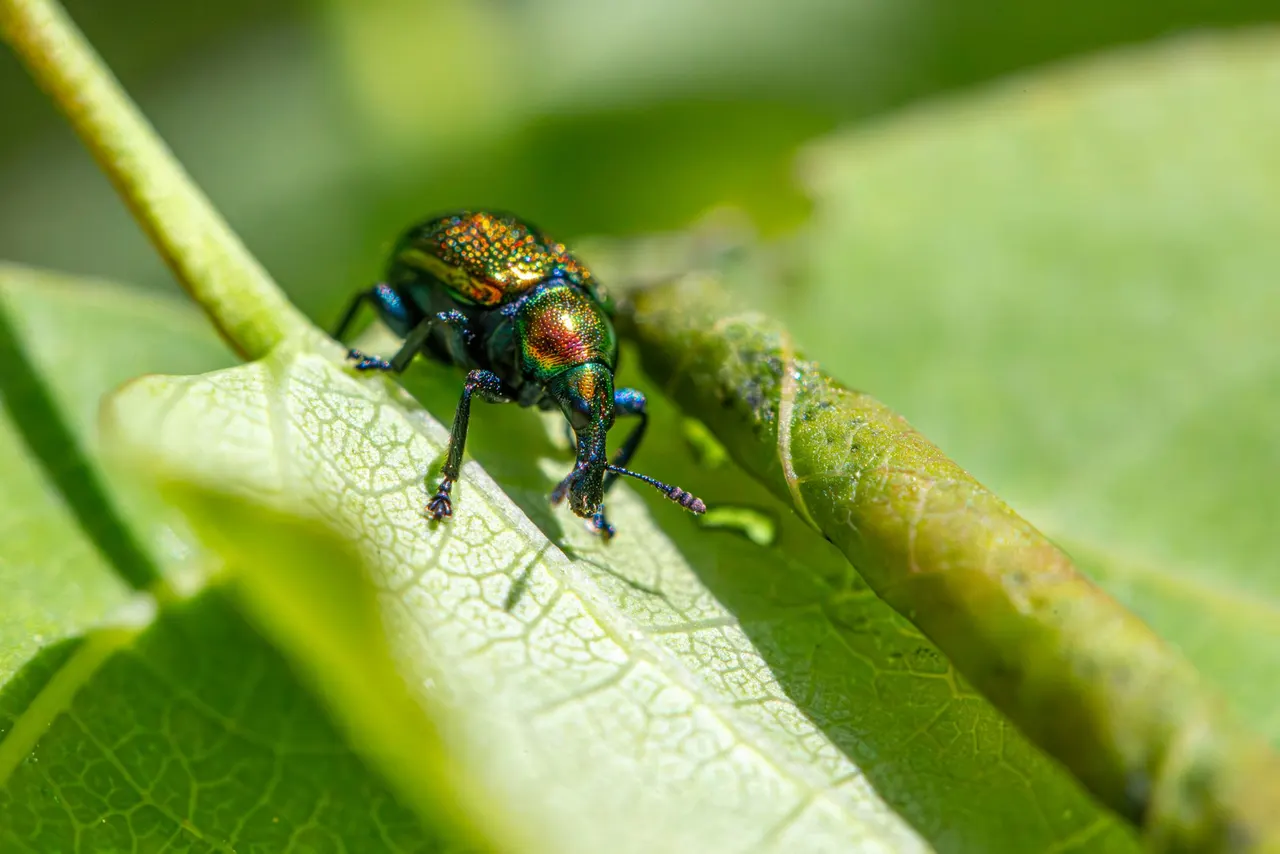
Mice Extermination targets active mouse evidence inside the apartment and nearby access routes. We choose trap placement based on wall travel and signs, then explain how to reduce food access and report fresh activity. In a multi-unit building, the basement and adjacent utility areas may also need inspection.
View service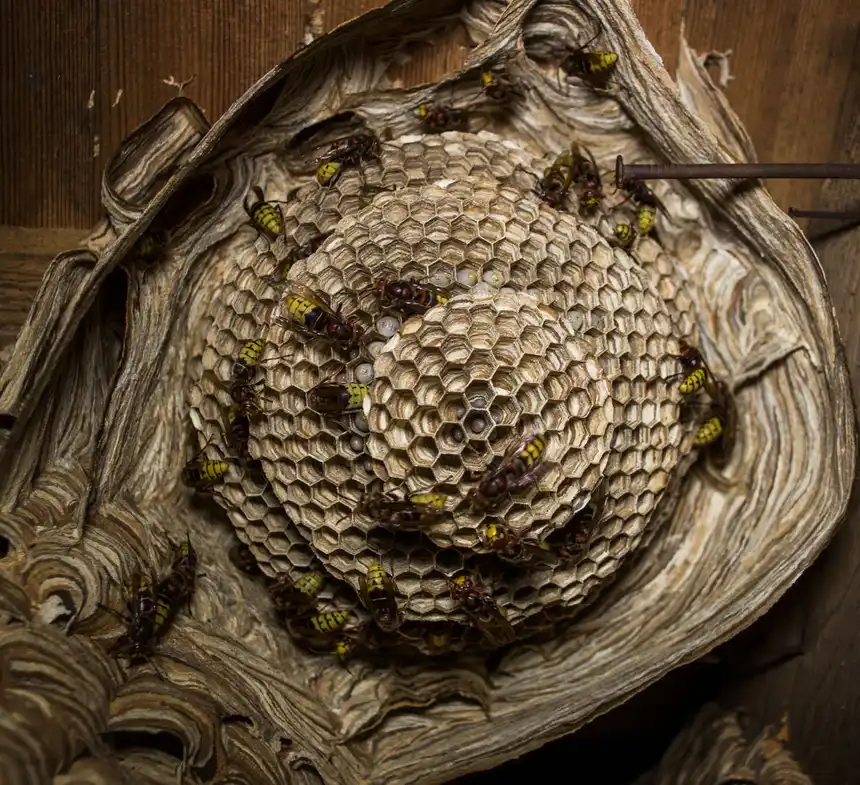
Rat Removal addresses larger rodent activity, including entry through lower-level openings and shared waste areas. Our technician checks the evidence, places suitable control devices, and identifies structural gaps that need attention. Apartment managers can coordinate access to common spaces when signs appear in more than one unit.
View service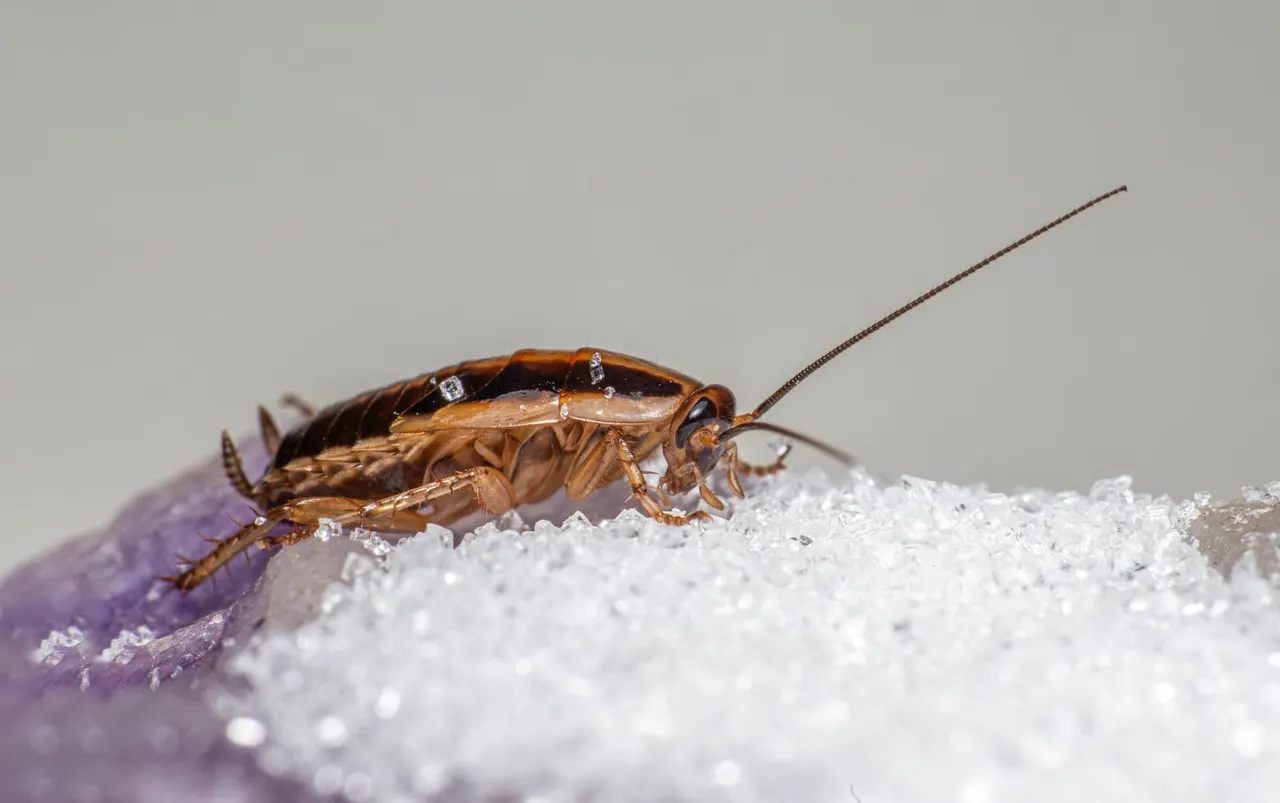
Call Aardvark Motown Pest Control at (313) 879-5917 to discuss insects, rodents, bed bugs, termites, or wildlife at your property. Our regular phone hours are Monday through Friday, 8:00 a.m. to 6:00 p.m.; leave a message outside those hours and include your Detroit neighborhood and the pest activity you noticed. We will respond during business hours.