Focused arrival windows
Useful updates and clear arrival timing.

Termite Inspection Detroit MI gives homeowners, buyers, landlords, and property managers a clear read on suspected termite activity and vulnerable wood. Our technicians check accessible foundations, sill plates, crawl spaces, basements, and other wood-to-soil contact points, then explain what we find in plain language. If you have mud tubes, discarded wings, or unexplained hollow-sounding wood, a termite check Detroit residents can arrange now helps identify the next practical step.
Useful updates and clear arrival timing.
Review the approach and price before deciding.
Equipped vehicles and respectful cleanup.
Neighbors serving neighbors with follow-through.
A standard visit covers a visual review of accessible interior and exterior areas, checks for termite signs and conducive conditions, and a plain-language explanation of findings. We focus on the reported concern and the structural areas that can be safely reached. Treatment, repairs, opening finished walls, and extensive debris removal are separate work; we recommend them only when findings point to a need.
We inspect accessible foundation edges for shelter tubes, cracks, soil-to-wood contact, and moisture accumulation. Particular attention goes to utility penetrations, porch connections, and areas near downspouts, where water or concealed gaps can create a route toward the structure.
We check exposed or accessible sill plates, trim, basement framing, and crawl-space wood for visible galleries, hollow areas, or other signs of damage. We explain which areas were reachable and identify obstructions that prevent a confident view behind finished surfaces.
Discarded wings, mud tubes, and damaged wood can help establish whether termites have been present. We examine the location and pattern of those signs, then describe whether they appear consistent with termite activity or need a different explanation.
We note visible leaks, damp soil, poor drainage, and wood touching soil where those conditions affect termite risk. You receive practical observations such as clearing a downspout outlet or separating stored wood from the foundation, not a generic warning.
We summarize observed evidence, access limits, and recommended actions in direct terms. If treatment or follow-up monitoring makes sense, we explain why and how it connects to the inspection. If no evidence is found, we still identify prevention priorities for vulnerable areas.
Share what is happening and receive a clear next step from the local team.
Termite Inspection Detroit MI is a structural pest assessment that checks accessible areas for termite evidence, conducive conditions, and visible wood damage. We look for shelter tubes, swarm wings, damaged trim, moisture near foundations, and wood touching soil, then trace signs to their likely source. A careful inspection distinguishes termite evidence from water damage or other wood-boring activity. We document accessible findings, explain limitations where stored items or finished surfaces block access, and recommend treatment or prevention only when the evidence supports it.
Detroit properties range from older brick homes with basements to renovated structures, rental buildings, and commercial spaces, each with different access points and moisture patterns. Winter freeze-thaw cycles, spring rain, plumbing leaks, and damp crawl spaces can keep wood vulnerable even when termites are not visible. Our termite inspection services Detroit MI customers request focus on the structure, not a generic spray. If you are buying, renovating, or seeing tubes along a foundation, a termite inspection near me Detroit MI search should lead to a thorough, documented visit.
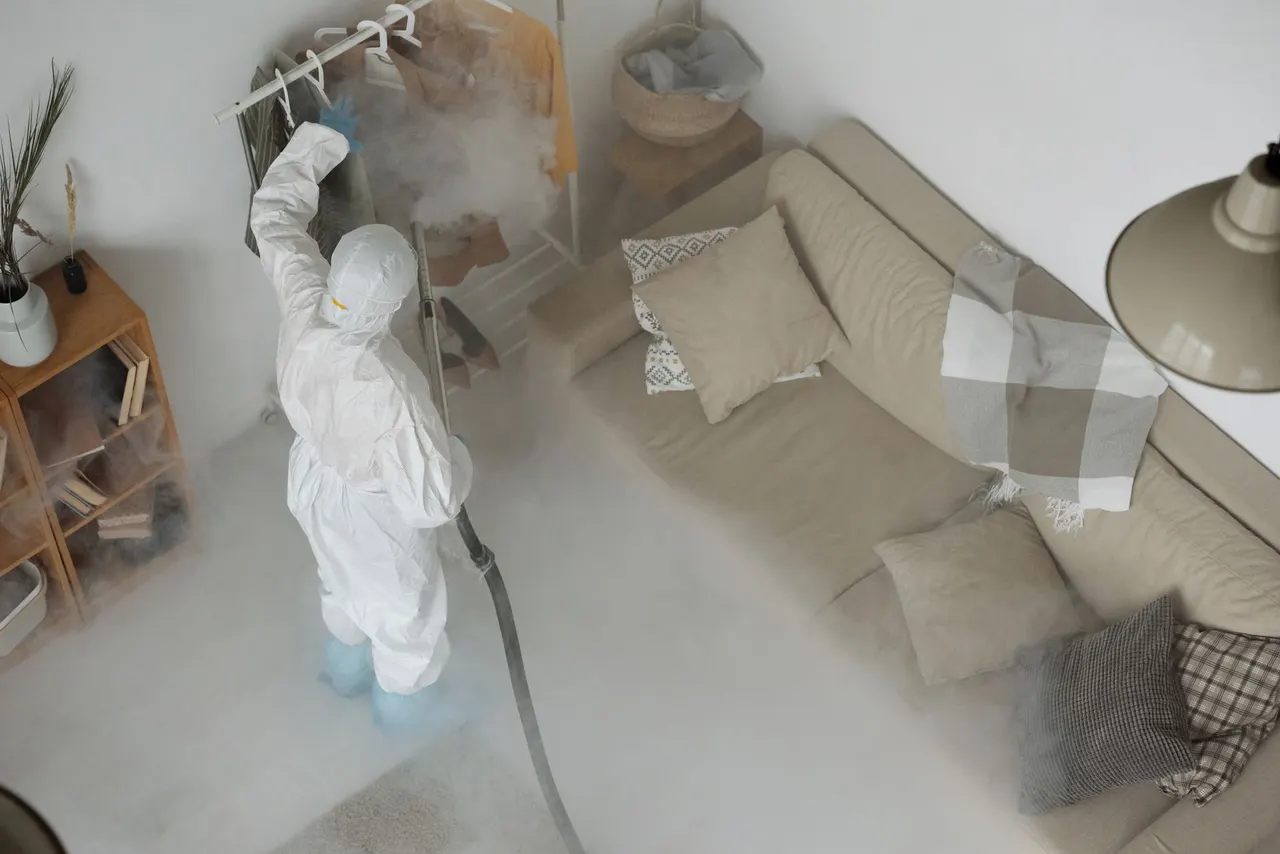
We begin by asking what you noticed, when it appeared, and whether the area has had leaks or repairs. You can show us discarded wings, bubbling paint, mud lines, or soft trim. This first conversation usually takes 5 to 10 minutes and helps us prioritize the rooms, foundation sections, and access points most likely to explain the concern.
Our technician checks the visible foundation perimeter, entry points, drainage patterns, wood-to-soil contact, and accessible exterior trim. We look for shelter tubes and conditions that hold moisture against the structure. You can walk the perimeter with us if you like; we point out what is evidence, what is a risk factor, and what is simply normal wear.
We examine accessible basements, crawl spaces, utility areas, exposed framing, window trim, and other locations connected to your reported signs. A flashlight, probe, and termite detectors help assess concealed edges without opening finished walls. We do not claim to see through sealed construction; instead, we identify blocked areas so you understand the inspection's limits.
We describe any visible evidence, likely activity status, moisture conditions, and signs of prior damage in plain language. You get the location and significance of each finding, not a vague warning. When photographs or monitoring points help track a change, we explain their purpose and show you what to watch between visits.
If evidence supports active termites, we explain treatment options and how they relate to the affected areas; if not, we give prevention priorities. We can discuss correcting drainage, removing soil-to-wood contact, or adding monitors. You leave with a practical sequence, including which issues call for a follow-up and which can be handled as routine maintenance.
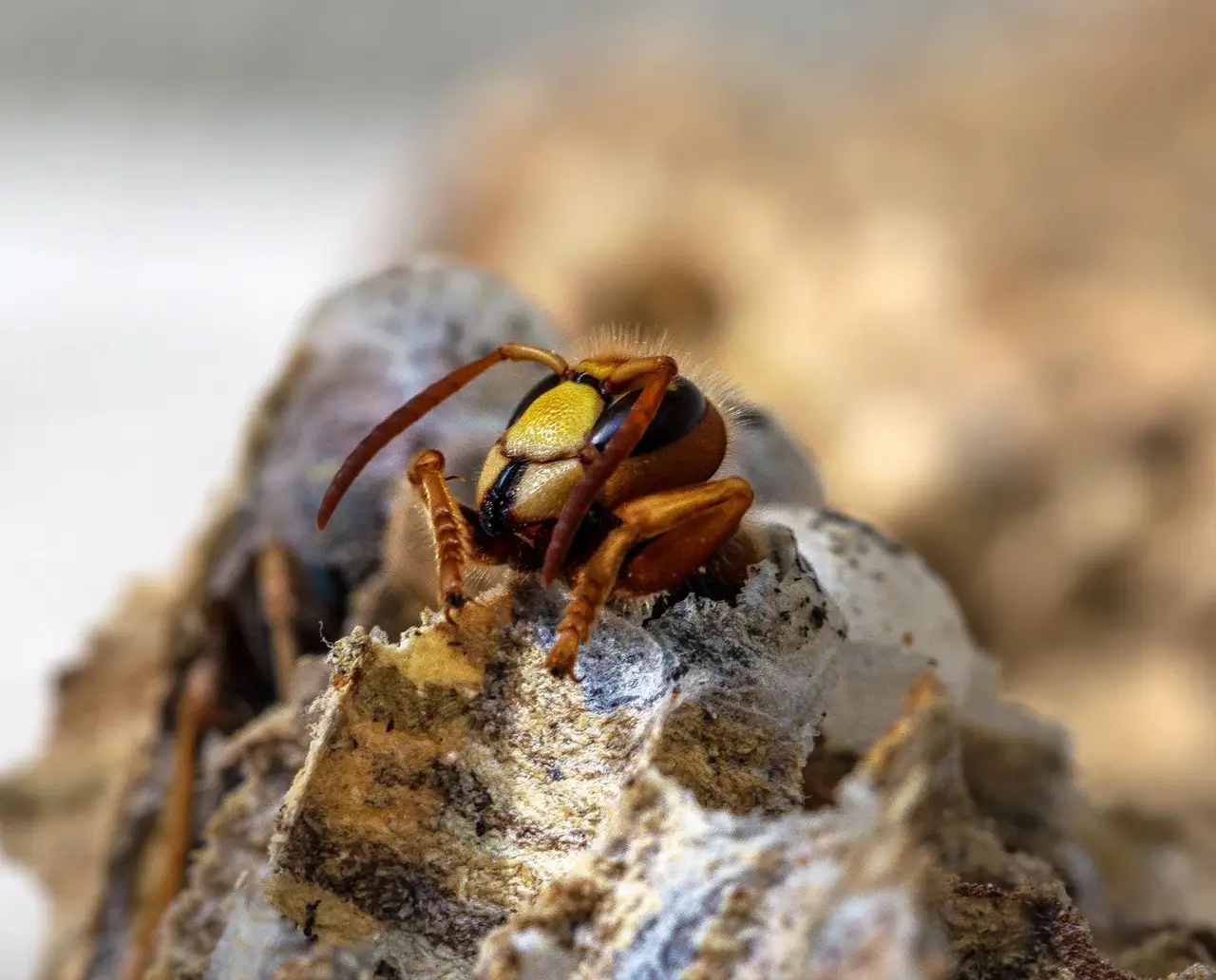
We use termite detectors as a supporting check around accessible wood and suspected activity. Readings guide where to look more closely; they do not replace visual evidence or justify claims about sealed areas.
Thermal imaging cameras help identify temperature patterns that may point to moisture or concealed conditions behind accessible surfaces. We treat the image as a clue to investigate, not proof of termites.
A bright inspection light and careful probing help reveal shelter tubes, surface damage, and wood condition at accessible seams. We choose appropriate points to avoid unnecessary damage to finished materials.
We assess visible dampness and moisture sources near vulnerable wood, including leaks and drainage paths. That information helps explain why an area is at risk and which maintenance change can reduce exposure.
Photographs help record visible signs, locations, and access limitations for your property file. They also make it easier to compare a monitored area at a later visit without relying on memory.
We inspect accessible foundation edges, basements, crawl spaces, and vulnerable wood, then connect each conclusion to a visible sign or condition. Mud tubes, wings, galleries, and moisture are considered together. This method prevents one ambiguous stain from becoming an unsupported claim of active termites.
We note leaks, drainage paths, soil contact, and blocked structural areas as part of the inspection. Mapping those conditions helps you prioritize repairs and understand where monitoring matters. It also makes clear which portions of the building were inaccessible during the visit.
Where appropriate, we discuss monitors or follow-up checks for a specific area with a credible history or limited visibility. Monitoring is selected for the concern and placed to provide useful comparison over time, rather than scattered without a reason.
If inspection evidence supports treatment, we explain the method and products that fit the site, following applicable label directions and safety requirements. Treatment decisions account for the structure and access conditions; insecticides, baits, or dusts are not applied simply because a property received an inspection.
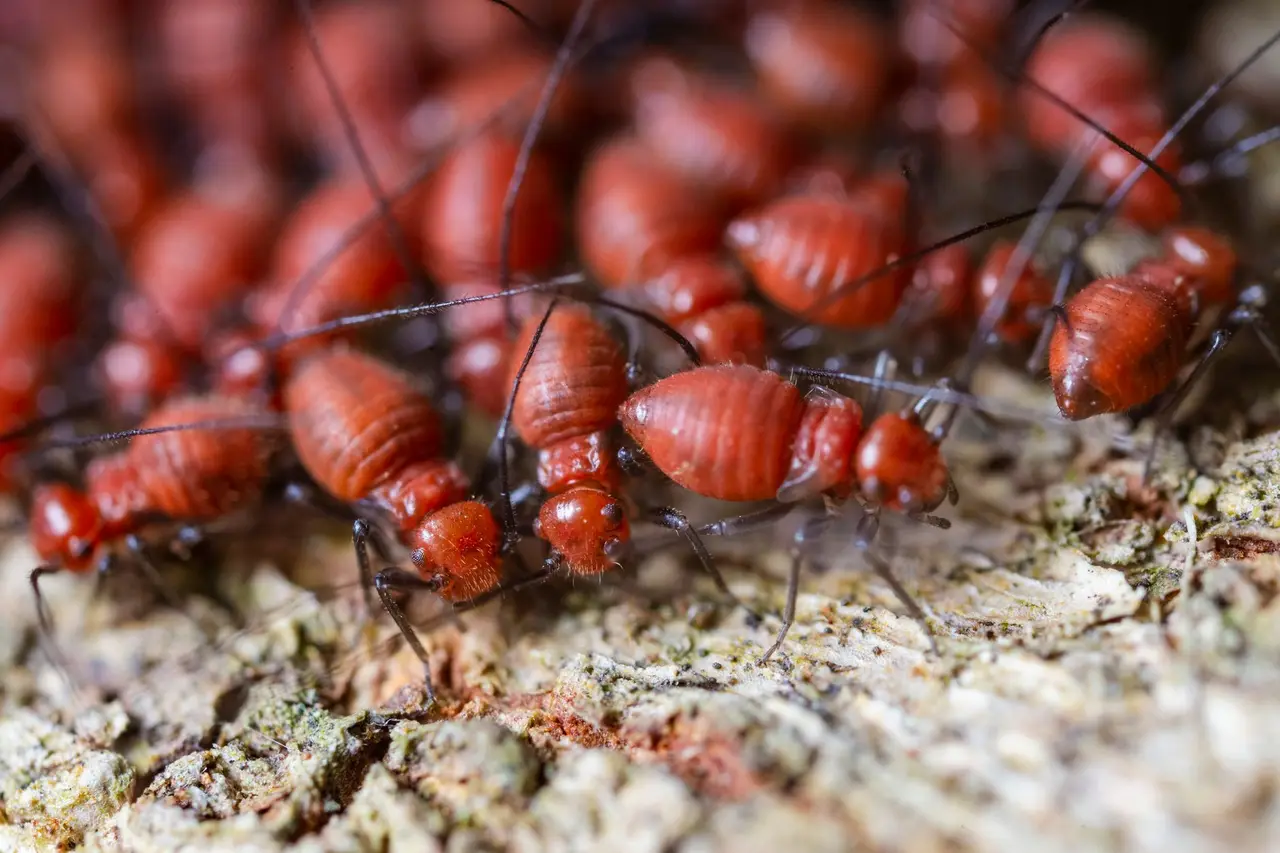
We follow the visible line, inspect nearby foundation openings, and check accessible wood above the area. We also look for drainage or soil contact that keeps the wall damp. The technician explains whether the sign supports termite activity and what follow-up fits the evidence. You learn whether the tube needs prompt attention and which moisture conditions to correct before the next wet stretch.
We check accessible basement framing, exterior trim, foundation edges, and reported damage. If finished walls or stored belongings block a view, we identify those limits rather than guessing. We explain what the visible evidence means and which questions merit further access. You get a practical account of observed termite signs and vulnerable areas to use in your property planning.
We inspect the window area and nearby accessible wood, then check exterior foundation conditions for supporting evidence. We describe the finding in terms a property manager can share with maintenance staff and note whether monitoring or treatment should be discussed. You can respond to the report with a location-specific plan instead of treating a single clue as a confirmed infestation.
We examine the newly visible wood, adjacent foundation, and moisture source for termite signs or damage. Our technician distinguishes what can be concluded from the exposed section from what remains concealed. We also identify drainage or leak corrections that reduce continued exposure. You can coordinate repairs around documented findings and avoid covering a questionable area before its condition is understood.
Termite inspection services Detroit MI property owners request have to account for building age, basement access, and seasonal moisture. Older homes may have exposed sill plates, additions with different foundation details, or finished basements that conceal framing. We inspect what is accessible and explain where the construction limits visibility. November brings freeze-thaw weather and rain that can reveal drainage problems; spring runoff and summer storms can keep foundation edges damp, while winter plumbing leaks create localized moisture year-round. A termite check Detroit appointment includes attention to those conditions without treating dampness as proof of termites. Our team serves Wayne County and records findings by location, including properties in 48209 and 48208. For buildings in 48202, 48201, or 48207, we coordinate around the access available and the customer's reported signs. We do not open finished walls as part of a standard inspection, but we identify when further access would clarify a concern. For owners seeking termite inspection Detroit, the goal is a useful assessment that fits the actual structure and the evidence present.
Older homes and renovated interiors can have a mix of exposed basement framing and finished rooms. We focus on accessible foundation edges, sill areas, and places where additions meet older construction.
Larger homes often have multiple basement and exterior access points. We check visible wood near foundation transitions and note drainage conditions around porches, steps, and downspouts.
A mix of residential and commercial buildings can create varied inspection access. We tailor the visit to the reported signs, accessible utility areas, and moisture conditions around each structure.
Older property details and later repairs can leave different materials meeting at additions and basement openings. We trace accessible signs rather than assuming the same construction throughout.
Repeated wetting can expose drainage problems and increase moisture near basement wood. We note visible water paths and soil contact, then explain which maintenance changes reduce the conditions that make vulnerable areas harder to protect.
A visual inspection cannot confirm the condition of sealed structural wood. We check accessible edges, utility openings, and reported locations, then clearly identify areas where further access would be needed for a closer assessment.
Changes in construction can create seams, covered transitions, or separate drainage patterns. We inspect each accessible section and record where signs or moisture conditions appear, helping you avoid treating the building as one uniform structure.
A homeowner noticed a mud tube at the basement wall below a downspout. The area stayed damp after rain, but the owner could not tell whether the tube was active or whether water damage had softened the nearby trim. The concern remained unresolved because the visible clue had not been checked against the foundation and wood.
Our inspection traced the tube, checked accessible framing, and noted the downspout discharge beside the foundation. The findings identified the evidence and access limits clearly, and the owner had a specific drainage correction to make. We explained what signs would justify a follow-up rather than recommending treatment from the tube alone.
Maintenance: Keep the downspout outlet clear and direct water away from the foundation. Check the same wall after heavy rain and arrange another inspection if fresh tubes, wings, or new wood damage appear.
A buyer reviewing a Detroit house saw irregular paint and a soft patch on basement trim. The basement had several finished sections, so the buyer could not see all framing and worried that the visible damage indicated a larger hidden termite problem.
We inspected accessible foundation edges and exposed wood, compared the soft trim with nearby moisture signs, and documented finished areas that could not be viewed. The buyer received a clear distinction between observed evidence and unknown concealed conditions, plus practical questions to address before covering or repairing the affected area.
Maintenance: Keep the inspection notes with renovation records and revisit exposed framing when work opens the wall. Repair leaks promptly, and check vulnerable wood again after any new moisture event.
A property manager found discarded wings beside a back entrance after a tenant reported insects near the window. There was no obvious damage from the room, and the manager needed to know whether the building required treatment or simply a closer look.
Our technician examined the entry, accessible trim, nearby foundation, and surrounding moisture conditions. The manager received a location-specific explanation of the evidence and a practical monitoring plan. The visit separated the confirmed observations from assumptions about concealed areas and helped maintenance staff focus on the relevant location.
Maintenance: Keep the entry area clear enough to see the trim and foundation seam. Record any new wings or tubes with their location, and report fresh signs promptly so they can be compared with the inspection findings.
A termite inspection near me Detroit MI search often starts after a homeowner spots one troubling clue. We check that sign against the rest of the accessible structure, identify moisture and entry conditions, and explain what deserves action. Here are common Detroit problems an inspection can help clarify.
A shelter tube can let termites travel between soil and wood unseen. Delaying a check leaves activity and the extent of any damage uncertain. We inspect the tube's route, nearby foundation openings, and accessible wood above it. Our technician records whether the signs appear active and explains what access is needed to assess adjacent areas. If treatment is warranted, we connect the recommendation to the observed evidence and also point out moisture or soil-contact conditions that should be corrected.
Swarm wings can indicate nearby reproductive termite activity, but one clue alone does not show where a colony is located or how much wood is affected. We examine the wings' location, nearby window and trim details, and accessible foundation areas for other signs. We explain whether the pattern supports a termite concern and what should be checked next. Saving a few wings or a clear photo before the appointment can help us discuss the evidence accurately.
Damaged wood can signal termite galleries, rot, or a long-running leak. Choosing the wrong repair first can leave the source unresolved and the same area vulnerable. We compare the wood condition with nearby moisture, plumbing, and visible insect signs. The inspection helps distinguish likely termite damage from water deterioration and identifies whether a repair professional or treatment plan is the logical next step. We do not infer hidden damage beyond what accessible evidence supports.
Unseen or blocked structural areas can leave buyers uncertain about prior activity, visible damage, and conditions that may need correction after purchase. We inspect the areas that can be reached, document evidence and obstructions, and explain what the findings establish. You can use that information to plan access, request further evaluation, or address visible risk conditions. Our technician does not present a blocked area as inspected; the limitation is made clear.
$100-$250 for many residential inspections; larger or complex properties vary
A residential termite inspection in Detroit is commonly around $100 to $250 in 2026, with the final price shaped by property size, access, and reporting needs. A single-family home with clear basement access is simpler to assess than a large multi-unit building with several crawl spaces. Our termite check Detroit pricing is explained before the appointment, and the inspection recommendation stays tied to the signs found. Treatment, repairs, and opening finished construction are separate services, not automatic additions to an inspection.
A focused inspection can help you direct repair or treatment spending toward documented evidence instead of assumptions. You pay for a structured review and clear findings, then decide whether any separate work is justified.
A larger footprint means more foundation perimeter, interior areas, and accessible wood to inspect. Multi-level buildings or properties with detached structures may require additional time to check the relevant areas and explain findings clearly.
Clear access to the basement, crawl space, and utility areas helps keep the visit focused. Tight crawl spaces, stored belongings, locked rooms, or finished surfaces that conceal framing can add inspection time or limit what can be confirmed.
Additions, multiple units, mixed commercial and residential space, or several reported signs require a broader review. The technician needs to distinguish separate construction sections and document where evidence appears rather than treating the structure as one simple area.
A routine homeowner assessment differs from a visit requiring expanded documentation or review of multiple accessible areas. Tell us how you plan to use the findings so we can match the inspection and reporting effort to your property's needs.
Treatment, monitoring, repairs, and opening concealed construction are not part of the basic inspection price. If findings point to one of those steps, we explain the reason and price that work separately so you can choose the appropriate next action.

Aardvark Motown Pest Control has served Detroit since 1980, bringing 46 years of local pest-control experience to property inspections. Our technicians focus on evidence, building access, and the conditions that let termites reach wood, rather than treating every stain as an infestation. Applicable pesticide work is handled by trained staff following product labels and safety requirements. We explain what the inspection can establish, where access is limited, and what action fits the findings, so you can make a sound decision about your home or building.
We found a narrow mud line near the basement window and wanted to know if it was active. The technician checked the foundation and the exposed framing, then explained which marks were concerning and which were old moisture staining. I appreciated getting a clear answer and a short list of drainage fixes to handle before spring rain.
We booked an inspection while reviewing an older house with a finished basement. The technician showed us the accessible areas, pointed out where stored items limited the view, and explained the difference between damaged trim and termite evidence. The visit took around an hour and a half, and we knew what to ask about before making our next decision.
A tenant noticed discarded wings near a back entry, so we arranged a check of the basement and adjoining woodwork. The technician traced the concern, noted a damp area by a downspout, and explained the monitoring and prevention steps. We could share the findings with our maintenance crew and address the drainage issue promptly.
A residential termite inspection in Detroit often costs about $100 to $250, depending on property size, access, and reporting needs. Typical 2026 pricing in this area can rise for large buildings, multiple units, or extensive crawl-space access. We explain the price before scheduling. Treatment, structural repair, and opening finished walls are separate work, and the inspection findings determine whether any of those steps are warranted.
The best inspection is a careful, evidence-based check of accessible foundations, basements, crawl spaces, and vulnerable wood, followed by clear findings. Our team looks for shelter tubes, swarm evidence, wood damage, and moisture conditions rather than recommending treatment from a single clue. Ask for explanations of blocked areas and practical next steps. A thorough visit should leave you able to identify what was found and why it matters.
Schedule an inspection once a year if your property has prior termite evidence, recurring moisture, or hard-to-access wood; otherwise, consider one every 1 to 2 years. Book sooner after seeing mud tubes, discarded wings, or fresh wood damage. Detroit's wet spring conditions and freeze-thaw cycles can expose drainage and moisture problems, so check vulnerable areas after leaks, renovation work, or changes around the foundation.
A typical Detroit home inspection takes about 60 to 120 minutes, while larger or obstructed properties can take longer. Time depends on the number of levels, crawl-space access, stored items, and how many signs need tracing. We inspect accessible areas, explain what we see, and identify any sections that could not be reached. Keeping utility and basement access clear helps the visit move efficiently.
Not seeing your question? Our local team can help you understand urgency, scheduling and what to expect.
Ask the local team
A termite inspection focuses on wood-damaging insects, while General Pest Control addresses other recurring pest activity around your home. We can identify whether ants, cockroaches, or spiders need a separate plan and explain how moisture, entry gaps, and clutter affect both concerns.
View service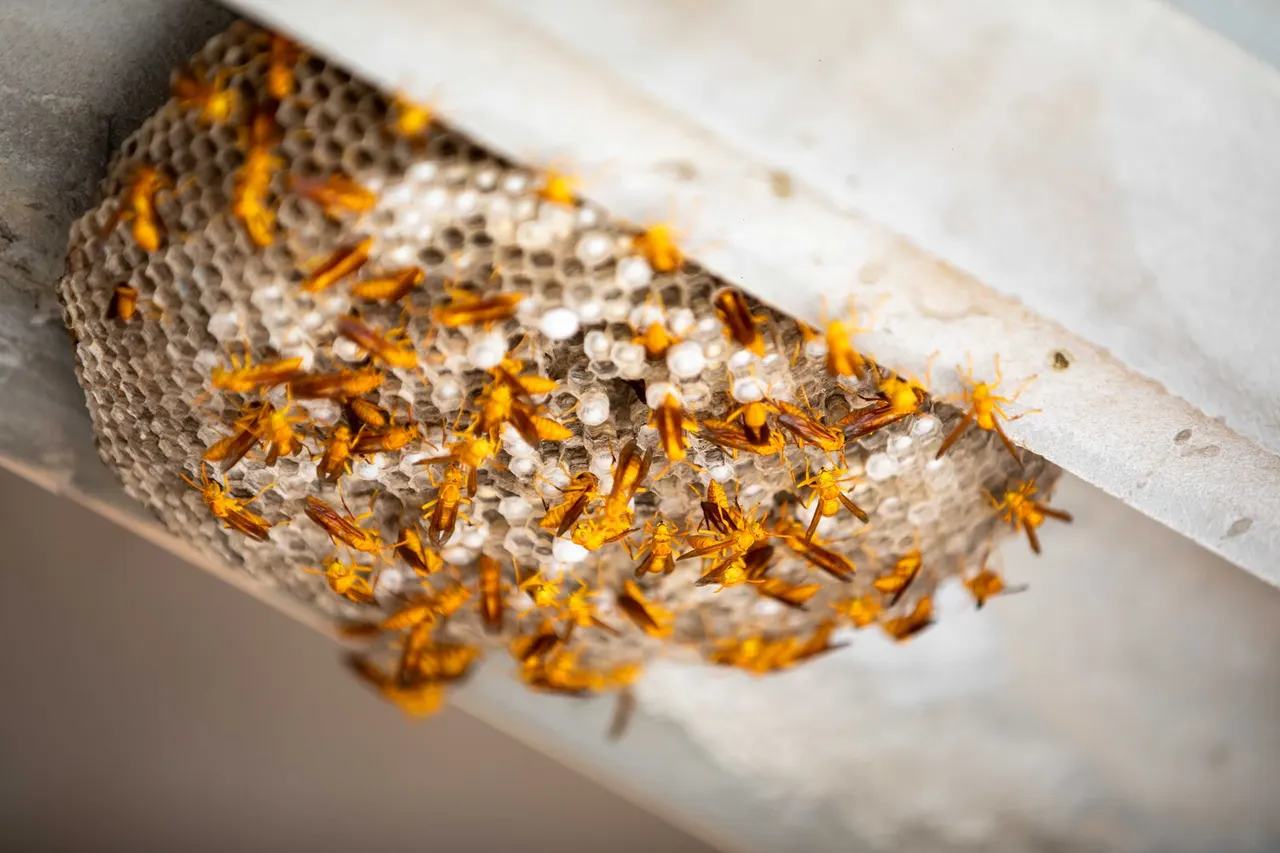
Rodents can damage insulation and wiring, while termites affect wood and structural materials. If your Detroit inspection reveals gnawing, droppings, or entry gaps alongside termite concerns, Rodent Control addresses those separate signs with targeted exclusion and monitoring.
View service
Mice leave droppings, gnaw marks, and nesting material that should not be confused with termite evidence. We can assess the signs you find during a property visit and direct you to Mice Extermination for a focused plan that addresses access points and indoor activity.
View service
A termite inspection will not resolve rat activity in a basement, garage, or crawl space. If you notice larger droppings, burrows, or gnawing near a Detroit foundation, Rat Removal can address the rodent issue while the termite assessment stays focused on wood and shelter tubes.
View serviceCall Aardvark Motown Pest Control at (313) 879-5917 to discuss insects, rodents, bed bugs, termites, or wildlife at your property. Our regular phone hours are Monday through Friday, 8:00 a.m. to 6:00 p.m.; leave a message outside those hours and include your Detroit neighborhood and the pest activity you noticed. We will respond during business hours.