Focused arrival windows
Useful updates and clear arrival timing.
Mosquito Control Detroit MI helps homeowners and property managers cut mosquito activity around patios, gardens, and shared outdoor spaces. Our team inspects standing water and shaded resting areas, then applies a site-specific treatment where mosquitoes gather. If bites are interrupting evenings or outdoor plans, we identify the conditions driving the problem and explain the next practical steps for your Detroit property.
Useful updates and clear arrival timing.
Review the approach and price before deciding.
Equipped vehicles and respectful cleanup.
Neighbors serving neighbors with follow-through.
A standard visit includes an outdoor inspection, identification of likely breeding and resting locations, targeted application where appropriate, and clear re-entry guidance. We also point out source-reduction actions that help prevent new mosquitoes. Extensive drainage correction, large water features, and repeated seasonal visits require separate planning based on the property and treatment needs.
We inspect accessible outdoor areas, including shaded foliage, containers, drains, low spots, and sheltered structures. You can show us the exact places where bites are worst, so we can connect reported activity to likely resting or breeding conditions before selecting treatment areas.
We apply an appropriate labeled product to suitable mosquito resting sites, such as dense shrubs or shaded vegetation. Our technicians use insecticide sprayers and keep the work focused on areas that support activity rather than applying product indiscriminately across the property.
We identify water-holding items and explain practical corrections, including emptying containers, improving drainage, or refreshing water on a regular schedule. Removing small sources every seven days can help interrupt mosquito development and support the treatment.
After application, we explain which areas were treated and the re-entry requirements on the product label. We also discuss precautions around people, pets, gardens, and outdoor furniture so you know how to use your yard after the service.
We discuss whether another visit makes sense based on mosquito pressure, rainfall, and your property's conditions. During active season, follow-up is often planned about 21 to 30 days apart, subject to label directions and what we observe on your lot.
Share what is happening and receive a clear next step from the local team.
Mosquito Control Detroit MI is a property pest-management service that reduces adult mosquitoes and targets breeding conditions around outdoor living areas. We inspect vegetation, drains, containers, low spots, and other places that hold water, then treat appropriate resting areas with label-directed products. The work is more than spraying an open lawn: shaded foliage, fence lines, under decks, and water-holding objects all affect results. We also point out practical source-reduction steps, because removing standing water helps interrupt the mosquito life cycle between visits.
Detroit's humid summer weather, rain-filled containers, clogged drains, and shaded yards can create persistent mosquito pressure from late spring into fall. Older lots and closely spaced homes often have small water-holding features that are easy to miss, from a planter saucer to a low spot beside a garage. Our mosquito extermination Detroit service starts with the property rather than a one-size-fits-all application. If you are searching how to get rid of mosquitoes in Detroit MI, the first useful step is finding where they rest and reproduce.
We start by asking where mosquitoes are worst and when you notice them, such as near a back door at dusk or around a shaded patio after rain. That short conversation helps us prioritize the areas that affect your household. Tell us about pets, gardens, standing water, and planned outdoor events.
Our technician walks the accessible yard and checks foliage, containers, drains, gutters, low spots, and sheltered structures. We note possible breeding water as well as adult resting locations. The inspection commonly takes 15 to 30 minutes on a standard lot, with additional time for larger or heavily landscaped properties.
We identify where a targeted application is appropriate and which sources are better handled by emptying, draining, or correcting water accumulation. Product choice and use follow the label, site conditions, and applicable requirements. We protect sensitive areas by keeping treatment focused and avoiding applications where directions prohibit them.
We use insecticide sprayers to treat suitable shaded vegetation and resting sites, taking care around doors, seating, and garden areas. Application time varies, often 20 to 45 minutes after inspection. Before leaving, we explain treated locations, re-entry directions, and any source-reduction tasks that will improve the result.
We review how rain, new standing water, and neighboring breeding sources can affect activity after treatment. If seasonal pressure remains, we discuss a repeat interval based on the property and label directions; many active-season plans revisit in roughly three to four weeks. You know what to watch for and when to call.

We use calibrated sprayers to apply labeled products to suitable shaded foliage and resting areas. Application is directed at target sites and adjusted to the property rather than spread indiscriminately.
A focused light helps us inspect sheltered corners, beneath decks, and around drainage features where standing water or resting mosquitoes can be difficult to see.
Where a monitoring aid is appropriate for assessing broader pest activity, Catchmaster monitors can help document activity. They do not replace mosquito habitat inspection or targeted outdoor treatment.
When the product is suitable for the site, we follow label directions for application and use. Product selection depends on the target, location, and conditions observed during inspection.
We identify and remove or correct accessible water sources that support mosquito development. Empty containers, improve drainage where practical, and check water-holding objects weekly. This method reduces the chance of new mosquitoes developing and supports any adult treatment applied around the yard.
We focus applications on shaded vegetation and sheltered areas where adult mosquitoes rest during the day. The technician follows product-label directions, selects appropriate sites, and avoids treating areas that are unsuitable. This approach puts the treatment where mosquitoes are more likely to contact it.
We use the property inspection and your reported bite patterns to determine whether follow-up is warranted. Rainfall, new standing water, and vegetation growth affect activity. During active season, a 21- to 30-day review interval is common, but product directions and observed conditions guide the actual schedule.
Every pesticide application follows the product label, including the approved site, application rate, and re-entry requirements. We explain the practical precautions for people, pets, and outdoor use. The label is the controlling instruction for how the product is handled and applied.
We inspect the seating perimeter, dense foliage, and nearby objects that may hold rainwater. After identifying likely resting sites, we apply treatment where appropriate and point out any sources you can remove. We also give you label-based re-entry guidance before you return to the patio. You get a focused plan for the area you use most, plus clear steps to keep small breeding sources from rebuilding.
We assess the yard for standing water and adult resting areas, then explain the timing and scope of available treatment. Same-day mosquito control Detroit Michigan is subject to scheduling and site suitability, so call as soon as you notice the problem and share the event timing. You know which actions can be taken before guests arrive and what treatment timing is realistic for the property.
We inspect courtyard vegetation, drains, and sheltered spaces, then map appropriate treatment areas. We also give property staff a concise list of water sources to check weekly, helping coordinate prevention across common spaces and reduce overlooked containers. Management gets a practical service plan for shared areas, and residents receive clearer guidance on treated locations and follow-up.
We check the low area, vegetation density, and water movement after rainfall. Our technician identifies whether drainage or a container is sustaining the issue, treats suitable resting sites, and recommends the next step for standing water that needs correction. You can address both the adult mosquitoes and the property condition that keeps attracting them, rather than repeating an unfocused spray.
Detroit's mosquito season builds as temperatures rise in spring, peaks during warm, humid summer weather, and can continue into early fall. In November, outdoor treatment demand generally eases, but planning ahead helps you address drainage and water-holding issues before spring activity returns. Our mosquito treatment Detroit MI service accounts for the city's mix of older homes, compact lots, apartment courtyards, mature trees, and hard surfaces that can direct rainwater into low spots. We inspect how your yard drains and where shade remains through the day, then target appropriate resting sites rather than treating every surface. Detroit neighborhoods near the river, parks, and landscaped blocks can have different moisture and vegetation conditions from a small paved courtyard. For mosquito extermination in Detroit Michigan, we also look for containers and clogged drains that hold water after rainfall. We serve Detroit, MI, and Wayne County, and follow product labels and applicable Michigan pesticide requirements. You will hear what we found, what we treated, and which source-reduction steps matter most at your property.
Older homes, fenced yards, and compact patios can create sheltered resting spots. We check under decks and around planters where rainwater can remain unnoticed.
Low areas and damp landscaping can affect how quickly yards dry after rain. We inspect drainage and shaded vegetation before selecting treatment areas.
Apartment courtyards and shared planting beds need coordinated inspection. We look at common seating areas, drains, and containers that staff can check between visits.
Mature trees and established gardens provide shade where adult mosquitoes may rest. We focus on suitable foliage and inspect water-holding features around outdoor living areas.
Higher humidity and warm evenings make outdoor spaces more attractive to mosquitoes, while shaded foliage offers daytime shelter. We prioritize the areas where you spend time and explain when seasonal follow-up is useful.
Containers, low ground, and slow-draining areas can hold water after a storm. We look for sources that remain wet for several days and show you which ones need emptying, clearing, or improved drainage.
Dense shrubs and tree cover can retain moisture and provide mosquito resting sites. We select suitable treatment locations within that vegetation and identify pruning or airflow improvements that can make the area less favorable.
The homeowner reported bites near a small patio most evenings. Dense shrubs pressed against the fence, and several planters held rainwater. The family had stopped eating outside, but could not tell whether the main source was the vegetation or the containers.
We identified the sheltered fence line as a resting area, treated suitable foliage, and showed the homeowner which planters to empty. The family reported fewer mosquitoes around the seating area after service and resumed outdoor meals. The visit took about an hour, including inspection and application.
Maintenance: Empty or refresh planters weekly, trim foliage that blocks airflow, and check the fence line after heavy rain. Call if biting activity returns or a new water source appears.
Residents in a Midtown apartment avoided two courtyard benches because mosquitoes gathered around the planting beds. A drain held water after rain, and staff had no consistent routine for checking containers in the shared space.
We inspected the beds and drain, treated appropriate resting vegetation, and gave management a weekly water-check routine. Staff cleared the container sources and monitored the drain. Residents reported better use of the benches after treatment, with follow-up planned around active-season pressure.
Maintenance: Property staff should check containers and drains every seven days, especially after rainfall. Keep shrubs maintained and report renewed activity so the courtyard can be reassessed.
A family in East English Village noticed mosquitoes around a shaded play area and garage corner after summer rain. The yard had toys left outdoors and a low patch that stayed damp, making it difficult to identify what to address first.
We inspected the play area, pointed out water-holding toys, and treated suitable shaded resting sites. The family removed the containers and reported fewer bites around the play space in the weeks after service. The technician explained re-entry directions and a practical seasonal follow-up interval.
Maintenance: Store toys upside down or indoors, check the low patch after rain, and keep the shaded play area clear of standing water. Reassess if activity rises again.
Persistent bites often point to a combination of resting cover and water that remains after rain. Our inspection helps connect the nuisance to specific parts of your property. If you are figuring out how to get rid of mosquitoes in Detroit MI, these are common situations we address.
Evenings outdoors become uncomfortable, and family gatherings or meals on the patio get cut short by repeated bites. We inspect shrubs, fence lines, and sheltered areas around the patio to locate adult resting sites. We treat suitable locations with a labeled product and explain how trimming overgrown foliage or moving stored items can improve airflow. You receive specific re-entry directions before using the area again.
Standing water that remains for several days can support mosquito development and renew activity after an earlier treatment. We check containers, drainage points, and low areas where water collects, then show you what to empty, cover, or correct. Where treatment is appropriate, we address nearby resting areas as well. A weekly check after rain helps prevent small water sources from being overlooked.
Residents avoid common outdoor seating, and reports return when landscaping stays damp or multiple water sources go unchecked. We inspect common spaces, including planting beds, drains, and sheltered corners, and identify conditions property staff can address. We apply targeted treatment to suitable resting sites and provide clear instructions for managing containers and water accumulation across the shared area.
Rain can create new water sources and disturb the timing of a seasonal plan, bringing biting activity back into the yard. We reassess the property when pressure returns, checking for newly filled containers, clogged drainage, and shaded growth. Treatment timing is adjusted to conditions and product directions. We also help you distinguish a new breeding source from adult mosquitoes already resting in vegetation.
$90-$250 per residential visit; larger or complex properties are priced by scope
Typical 2026 pricing for residential mosquito treatment in Detroit ranges from $90 to $250 per visit, depending on property size and conditions. Mosquito control services Detroit MI cost more when a lot has dense vegetation, multiple treatment zones, difficult access, or recurring standing-water issues that require additional attention. A compact yard with a clear patio perimeter usually takes less time than a large landscaped property. We inspect the site and give you the price upfront before treatment starts. Seasonal plans can reduce the per-visit cost compared with arranging repeated one-time treatments.
The price covers inspection, targeted application, and guidance on the water sources that can restart activity. You are paying for work directed at the conditions on your property, not an indiscriminate spray over every outdoor surface.
More acreage and separated outdoor zones increase inspection and application time. A small city lot with one patio often requires less work than a deep yard with multiple seating areas, sheds, and long vegetation lines.
Dense shrubs, mature planting beds, and thick shaded edges require more careful inspection and treatment. If the property has several separate resting areas, the visit may take longer and use more product than an open, lightly landscaped yard.
Multiple water sources or persistent drainage problems add inspection and source-reduction guidance. Treatment does not replace correcting a recurring water issue, so we identify which conditions need property maintenance and explain how they affect the service plan.
A one-time treatment is suited to a specific period of activity, while repeat visits address ongoing seasonal pressure. A plan with visits about 21 to 30 days apart can be more economical per service, depending on the property and schedule.
Locked gates, limited access, or multiple shared outdoor spaces can add time to a visit. Clear access to the yard and treatment areas helps the technician complete inspection and application efficiently.
Aardvark Motown Pest Control was founded in 1980 and has served customers for 46 years. Our technicians approach mosquito work as a site-management job: locate resting areas, inspect water sources, choose an appropriate labeled product, and apply it with care. A Michigan Department of Agriculture and Rural Development Pesticide Applicator License is the relevant state credential for pesticide application, and our work follows product labels and applicable safety requirements. We explain what we find in plain language, so you can connect the treatment plan to the conditions in your yard.
We had mosquitoes collecting around the back steps and the shaded patio, especially after rain. The technician checked the planters and under the deck, treated the foliage around the seating area, and pointed out a container we had missed. We could use the patio more comfortably afterward, and the explanation about emptying water each week was easy to follow.
Bites were making evening dinners in the yard difficult. The technician walked the fence line and shrubs, then explained which areas were treated and how long to keep people away according to the product directions. The visit took about an hour. We also cleared standing water near the garage, which gave us a better plan than spraying and hoping.
Residents kept reporting mosquitoes around the shared courtyard after wet weather. The team checked the shaded landscaping and a low spot near a drain, treated suitable resting areas, and showed us where water was lingering. We now have a simple weekly check for containers and drainage, and residents have had fewer interruptions in the outdoor seating area.
A residential mosquito treatment in Detroit commonly costs about $90 to $250 per visit, with larger or heavily landscaped properties costing more. Typical 2026 pricing depends on lot size, access, vegetation density, standing-water conditions, and whether you choose a one-time visit or seasonal returns. We inspect the property and give you the price before work begins. Call (313) 879-5917 to discuss your yard and the areas where bites are worst.
The best approach combines inspection, targeted treatment of resting sites, and removal of standing water. A treatment can reduce adult activity, but containers that hold water for seven or more days can keep producing mosquitoes. Our mosquito control services Detroit MI are matched to your yard's shade, drainage, vegetation, and use. We explain the application areas and label-based re-entry directions so you know what the visit addresses.
Empty or refresh standing water every seven days, clear blocked drainage, and have shaded resting areas inspected and treated when needed. Mosquitoes can develop in small containers as well as larger water features, so check planters, toys, buckets, and low spots after rain. Our mosquito removal Detroit service targets suitable adult resting areas and identifies breeding conditions. Call if bites persist despite removing water sources.
A routine residential mosquito treatment takes about 45 to 90 minutes, including inspection and application. Larger lots, dense vegetation, or difficult access can extend the visit. We explain the treated areas and product-label re-entry instructions before leaving. Rainfall and new standing water influence how long results last, so seasonal follow-up is often scheduled at roughly 21- to 30-day intervals during active pressure.
Not seeing your question? Our local team can help you understand urgency, scheduling and what to expect.
Ask the local team
Mosquitoes outdoors and crawling insects indoors need different inspection and treatment plans. Our general service helps Detroit households address multiple pest concerns while keeping mosquito treatment focused on yards, shaded vegetation, and standing-water sources.
View service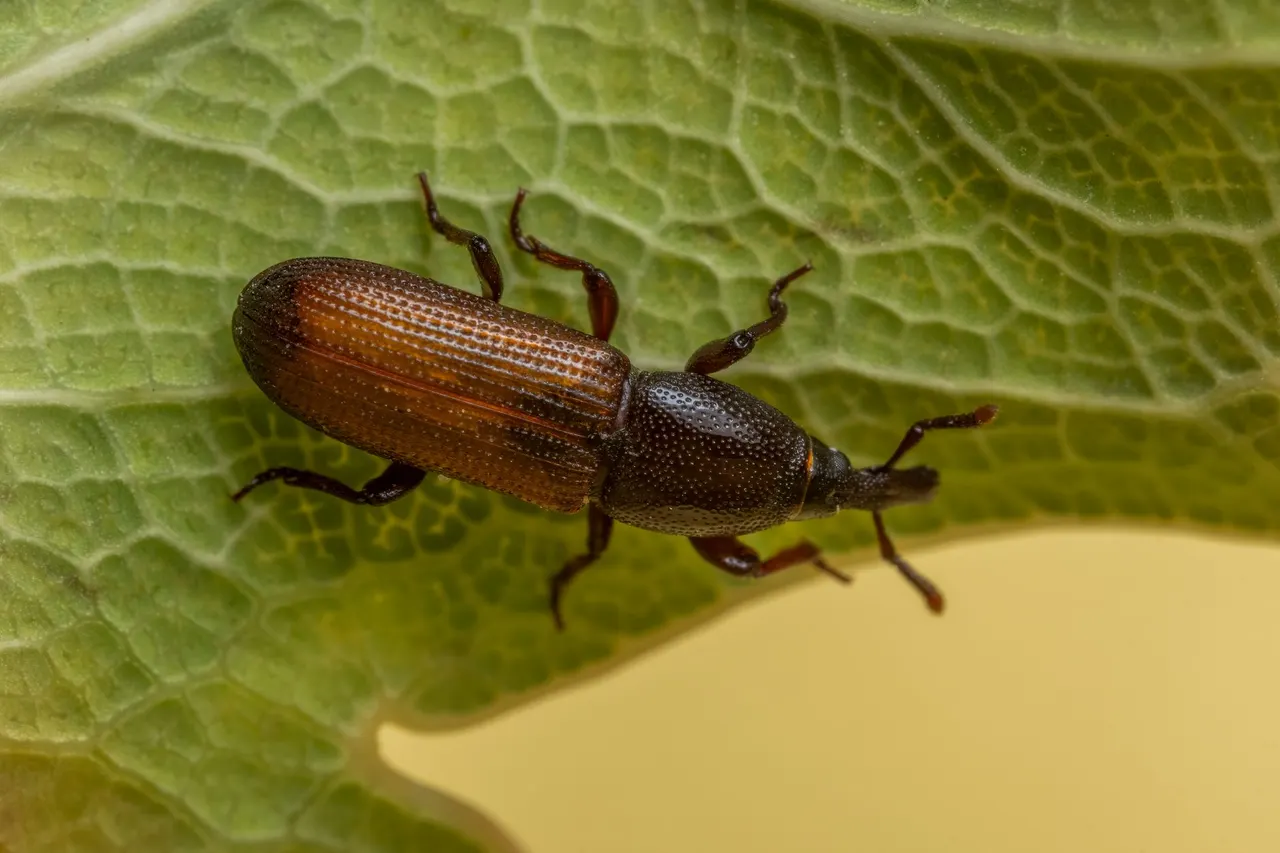
Rodent activity around sheds, garages, or foundations is separate from mosquito pressure but can affect how you use outdoor spaces. We inspect entry points and activity areas, then plan control measures suited to the property and the specific rodent problem.
View service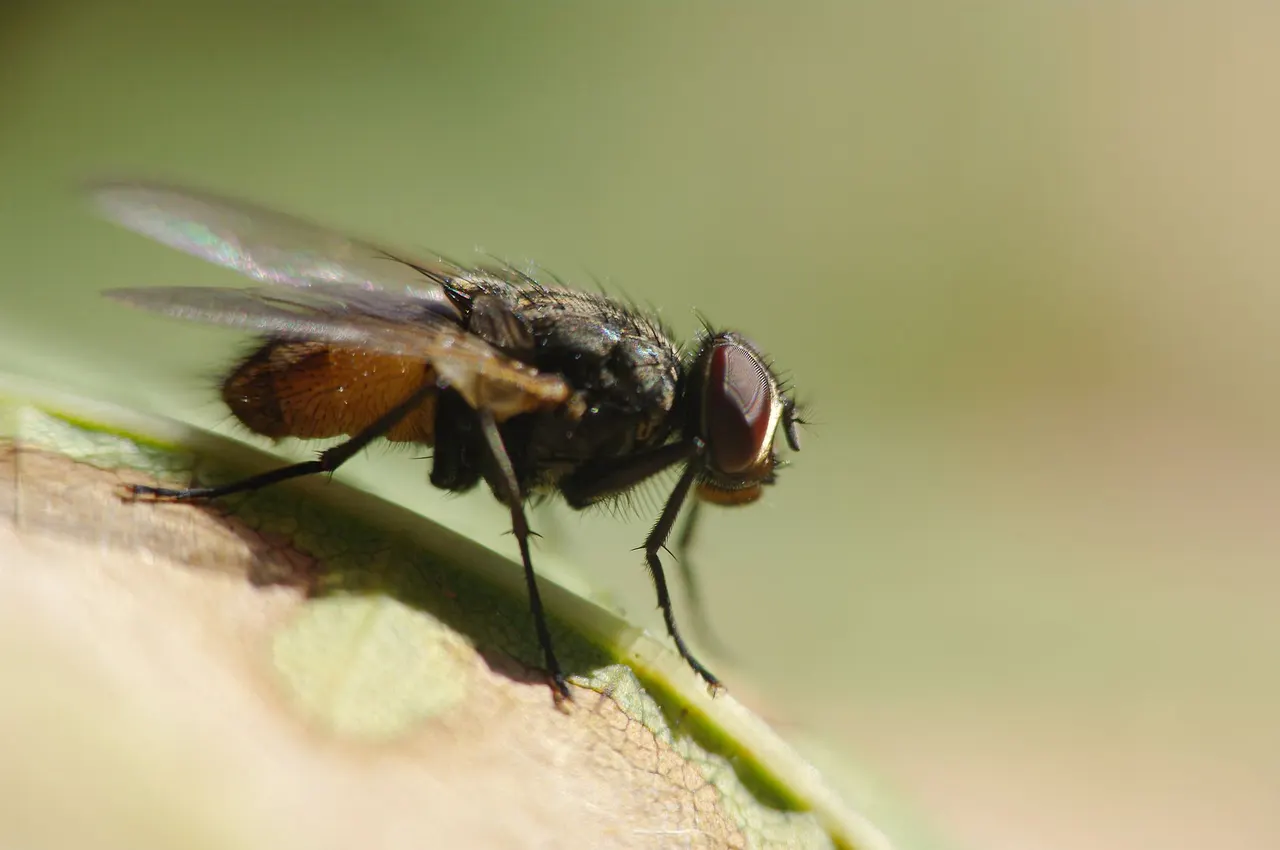
A mosquito visit focuses outdoors; mice require indoor inspection and attention to gaps, food, and nesting areas. If your Detroit home has both concerns, we can address each pest with a distinct plan rather than using one treatment for unrelated problems.
View service
Rats can use dense vegetation and exterior clutter for cover, while mosquitoes gather in shaded resting areas and breed in standing water. We assess each issue separately and explain the steps needed to reduce rodent access and mosquito activity around your property.
View service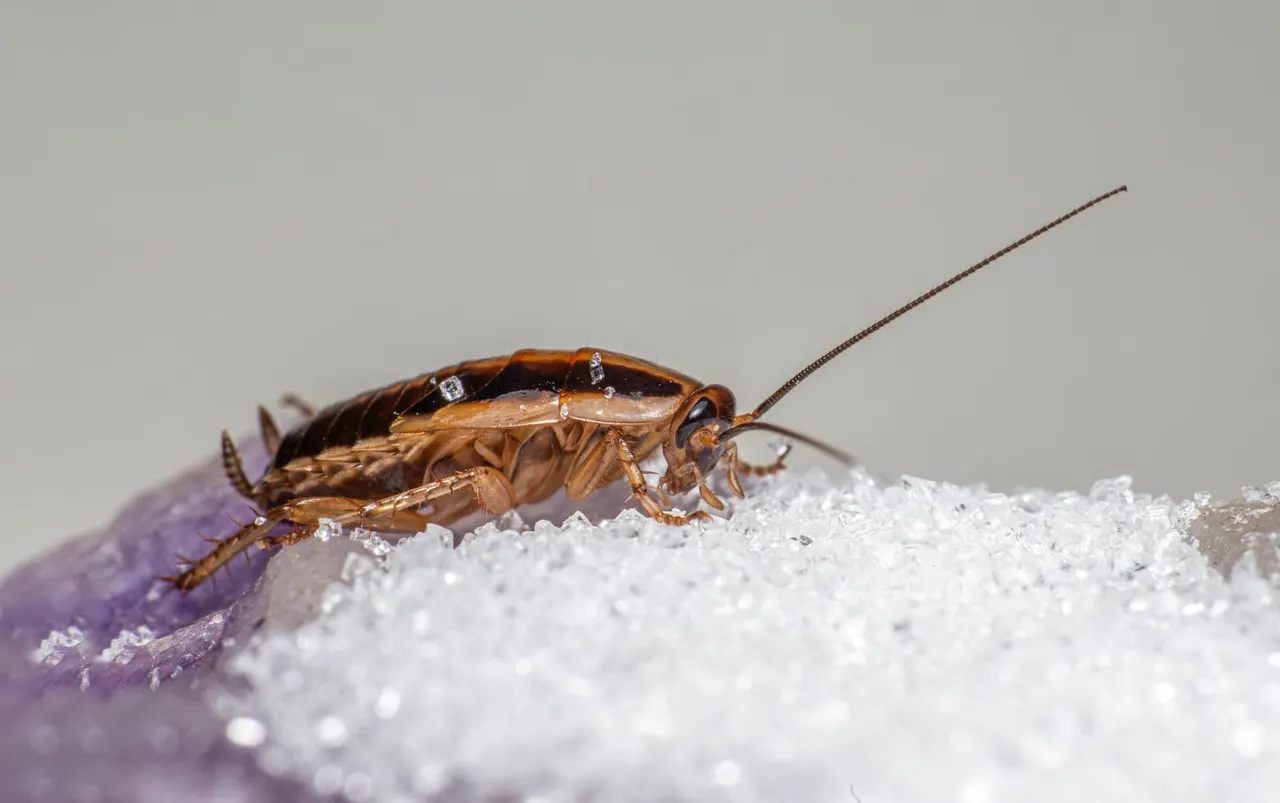
Call Aardvark Motown Pest Control at (313) 879-5917 to discuss insects, rodents, bed bugs, termites, or wildlife at your property. Our regular phone hours are Monday through Friday, 8:00 a.m. to 6:00 p.m.; leave a message outside those hours and include your Detroit neighborhood and the pest activity you noticed. We will respond during business hours.