Focused arrival windows
Useful updates and clear arrival timing.
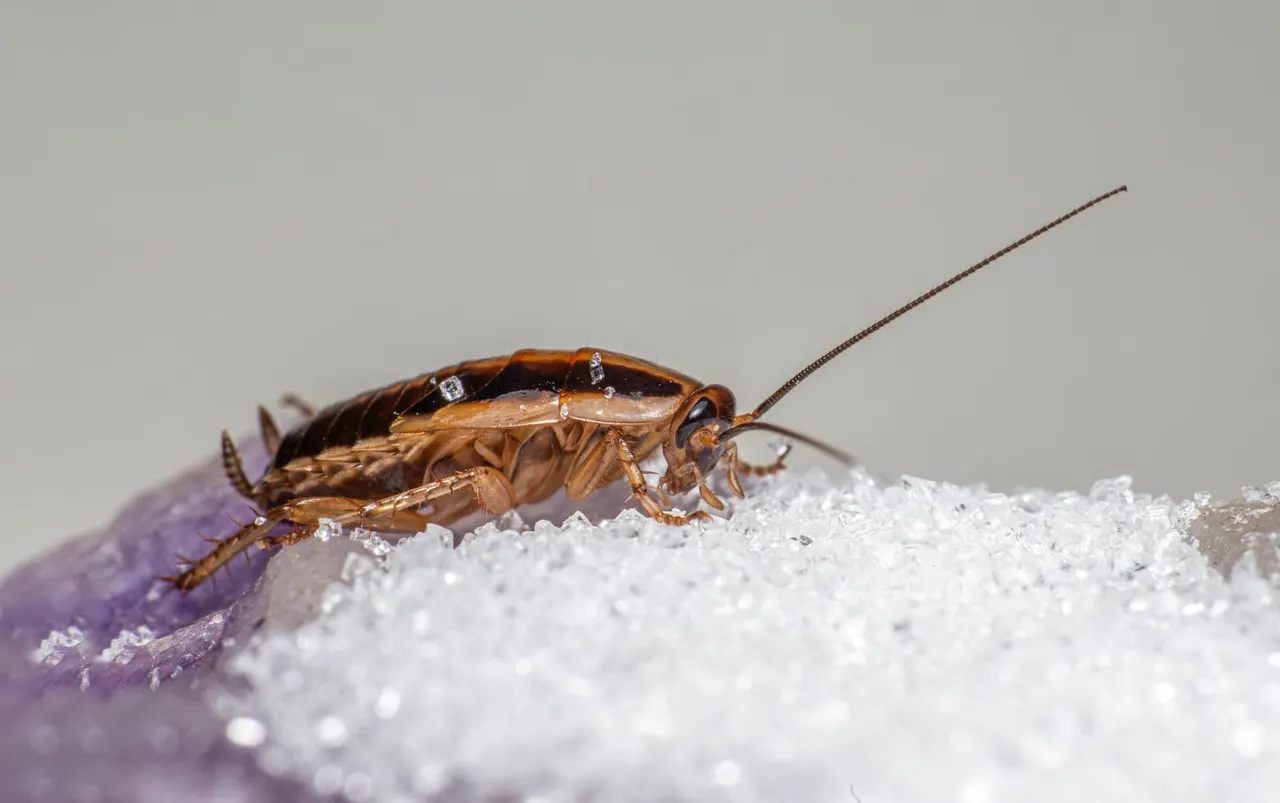
Pest Control in Brush Park calls for a plan that fits the building, not a one-size treatment. We handle rodent activity around construction and vacant lots, insect problems in older homes, and prevention for new condos near City Modern. Our team serves Brush Park and nearby Detroit blocks in Michigan, tracing entry points before choosing a targeted treatment for your home or business.
Useful updates and clear arrival timing.
Review the approach and price before deciding.
Equipped vehicles and respectful cleanup.
Neighbors serving neighbors with follow-through.
Pest Control in Brush Park is a professional service that identifies pest activity, treats active infestations, and reduces the entry points that allow them to return. We work across a neighborhood where Brush Park mansions stand beside new condos, so a treatment that suits one structure may be wrong for the next. Our inspections account for shared walls, basements, utility penetrations, and the different access points found in historic and newly built properties. We serve homes and businesses around the Brush Park Historic District, City Modern, and Alfred Street, with nearby ZIP coverage including 48201 and 48226. As an exterminator Brush Park MI residents can reach by phone, we look for the source first and explain the next step in plain language. Our services include rodent control, insect treatments, bed bug work, termite inspections, and wildlife removal. We keep the work focused on the pest, the building, and the people using it. Call Aardvark Motown Pest Control at (313) 879-5917 to discuss what you are seeing and arrange service.
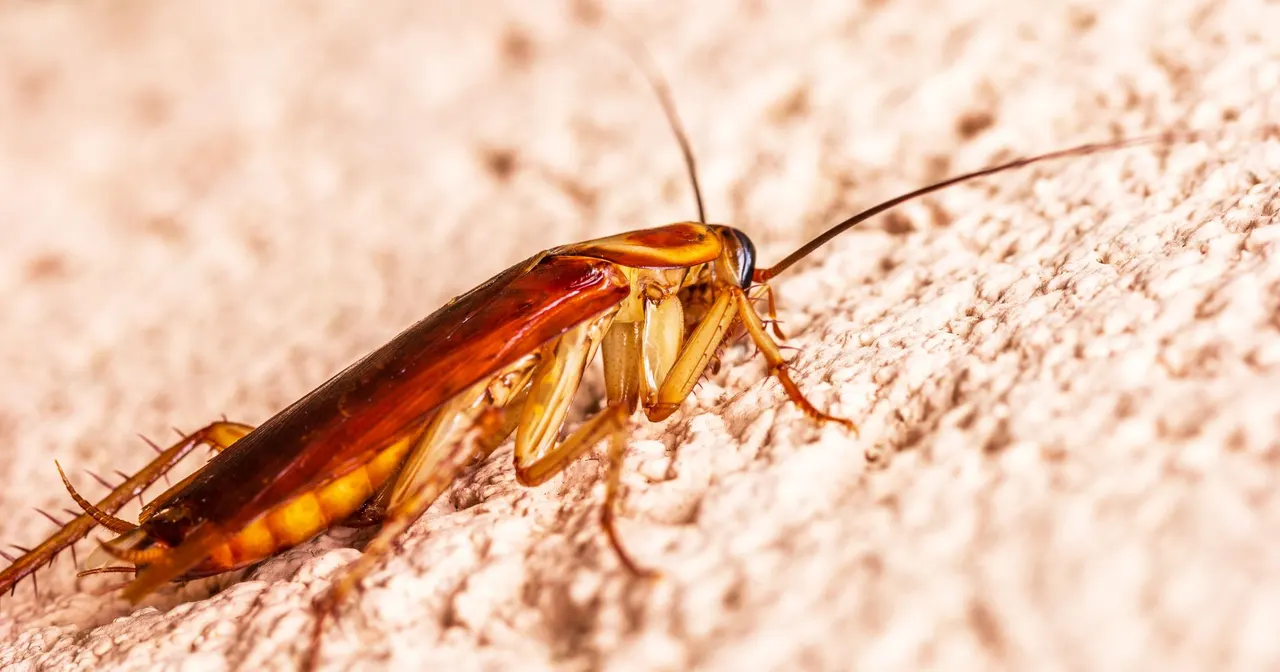
Pest Control demand in Brush Park follows the mix of old and new construction: rodents use gaps around utility lines, insects enter through doors and window frames, and multi-unit buildings need coordinated treatment. We provide residential and commercial service with inspection-led plans, from a single ant trail to a recurring building issue. If you are comparing affordable pest control in Brush Park, start with the pest, the size of the affected area, and whether neighboring units share walls or service corridors. Our technicians match the treatment to those details and explain preparation before work begins.
In Brush Park, our general service begins with a property walk-through and a check of kitchens, basements, utility entries, and exterior joints. Historic homes around the Brush Park Historic District and newer City Modern residences have different vulnerabilities, so we select targeted treatments and prevention steps for the actual structure rather than applying the same routine everywhere.
View service →02Rodent control in Brush Park addresses activity around construction, vacant lots, and connected building infrastructure without assuming every sighting has the same source. We inspect droppings, rub marks, and openings, then use appropriate bait stations or traps and recommend sealing gaps around pipes, doors, and foundation transitions.
View service →03Mice can enter through small gaps near service lines, basement windows, and door sweeps in both historic and recently built Brush Park properties. We locate activity, place traps where children and pets are protected, and identify openings for exclusion. Follow-up checks help determine whether signs have stopped rather than simply shifting rooms.
View service →04For rat activity in Brush Park, we inspect the building perimeter, basement access, waste storage, and nearby disturbance before setting a control plan. We use secure devices suited to the site and focus on the route rats use to enter. Clear access around utility rooms and loading areas helps the inspection move efficiently.
View service →05Cockroach treatment in Brush Park focuses on kitchens, bathrooms, plumbing voids, and shared walls where moisture and food residue sustain activity. We identify the species and extent, apply targeted products in appropriate locations, and give you specific sanitation and monitoring steps. Multi-unit properties may need coordinated access to adjacent spaces.
View service →06Ant control in Brush Park starts by tracing the trail to its entry point instead of spraying only the visible line. We check window frames, foundation edges, kitchens, and landscaped borders, then select bait or a targeted treatment based on the ant and site conditions. You receive practical guidance on food storage and moisture control.
View service →07Spiders in Brush Park homes often appear in quiet storage rooms, basements, garages, and corners near entryways. We remove accessible webs, inspect the insects that provide their food source, and address likely entry points. The plan respects finished interiors and the property's age, with treatment focused on activity zones rather than broad application.
View service →08Bed bug treatment in Brush Park begins with inspection of mattress seams, bed frames, upholstered furniture, and nearby cracks. We map the affected rooms and explain preparation before treatment, which matters in condo buildings where shared walls and neighboring units complicate control. Monitoring after service helps confirm whether activity has ended.
View service →09Heat treatment for bed bugs is planned room by room in Brush Park, with belongings and heat-sensitive items handled according to preparation instructions. We use temperature monitoring during the process to verify that treated areas reach the required exposure conditions. A post-treatment inspection and follow-up guidance help reduce the chance of reintroduction.
View service →Brush Park Pest Control starts with a clear account of what you saw, where, and when. We inspect the affected room and likely access routes, then check surrounding areas such as basements, utility penetrations, and shared walls. In a historic property, we look for gaps at masonry transitions and aging door sweeps; in newer condos, we check service chases and construction joints. Detroit winters bring freezing conditions that push rodents toward sheltered interiors, while spring thaw and summer rain can expose new exterior openings. We schedule around building access, parking limits, elevator rules, and occupied units, and we ask you to clear the treatment area before arrival. For an emergency exterminator Brush Park residents can reach us at (313) 879-5917; we will ask about the pest, any safety concern, and the best access point. Treatment may involve traps, targeted insecticides, exclusion screens, or monitoring, based on the inspection. We explain placement and re-entry instructions before leaving. For multi-unit buildings, one coordinated inspection can prevent repeated calls caused by untreated adjoining spaces.
Demolition, renovation, and vacant structures can change where rodents travel and shelter. A property that showed no signs last month may develop activity near a newly exposed foundation or utility opening, so inspection needs to include the exterior perimeter and current access conditions. We inspect the building edge, accessible utility penetrations, basement openings, and waste storage before placing devices. Where rodents are active, we use secure traps or bait stations in appropriate locations and record the signs found. We also identify gaps for sealing, then recommend a follow-up check to verify activity has declined.
Brush Park buildings range from older masonry and wood framing to new multi-unit construction. Those differences affect how pests enter, where they hide, and how residents or managers arrange access. A treatment suited to a basement in a mansion may not address a shared service chase in a condo. We tailor the inspection to the structure, checking basements, wall transitions, door seals, utility rooms, and common areas as permitted. For condo issues, we ask about nearby sightings and coordinate with management when shared spaces are involved. Treatments and monitoring stay focused on verified activity and the building's access rules.
Little Caesars Arena, Ford Field, and Comerica Park shape traffic and parking patterns around Brush Park during events. Building entry systems, loading rules, and occupied-unit schedules can also slow access if they are not planned before the visit. We confirm the building entrance, parking or loading instructions, unit contact, and any elevator requirements before dispatch. If an event is affecting nearby traffic, we discuss a practical appointment window and access plan. Clear directions help us spend the visit inspecting and treating rather than locating the correct entrance.
Pesticide application in Michigan is regulated, and commercial applicators must meet applicable Michigan Department of Agriculture and Rural Development requirements. We select products and application methods for the target pest and site, follow label directions, and provide occupants with the relevant preparation and re-entry instructions.
Every pesticide label sets the legal conditions for application, target pests, placement, and precautions. Our technicians follow the product label, protect people and pets by limiting access to treated areas as directed, and choose targeted application rather than treating surfaces without a documented reason.
Brush Park's building mix creates varied pest conditions: older foundations and masonry joints coexist with new construction, shared walls, and renovation work. Michigan's cold winters drive rodents toward sheltered spaces, while spring thaw and summer rain can reveal exterior gaps or leave standing water. Construction activity and vacant lots are relevant surroundings, but they do not prove an infestation inside a specific home. Brush Park exterminator service starts with evidence at your property, then connects that evidence to a treatment that fits the structure and occupancy.
Renovation and development can disturb sheltered routes or expose openings around foundations and utility lines. Older homes may also have gaps created by settling or past alterations. A nearby vacant lot is a reason to inspect carefully, not proof that rodents have entered your building. We look for droppings, rub marks, gnawing, and entry points inside and outside the affected area. Traps or secure bait stations address confirmed activity; sealing and follow-up target the route. We explain which gaps are active and which need routine repair.
Warm, humid spaces around sinks, drains, and appliances provide shelter and moisture. In multi-unit buildings, plumbing penetrations and shared service areas can connect spaces, so sightings in one room may not show the full pattern. Food residue and untreated neighboring routes can sustain activity. We inspect the kitchen, bathroom, and accessible service areas, identify the insect, and use targeted treatment with monitors. We give you cleaning and moisture steps that support control and coordinate with management when a shared route appears relevant.
Ants can follow food or moisture indoors through small openings around windows, doors, and foundation joints. Spring and summer activity increases as outdoor colonies forage, and restored properties may have several old and new frame transitions to inspect. We trace the trail to its likely source, select an appropriate bait or targeted treatment, and check nearby entry points. You receive instructions on keeping bait undisturbed and reducing attractants. Follow-up monitoring shows whether the route has stopped.
Wood near persistent moisture, poorly drained edges, or soil contact deserves attention in any building, including historic Brush Park properties. Age alone does not confirm termite activity, and visible damage can have other causes. Inspection is the way to distinguish a risk condition from evidence of termites. We inspect accessible wood, foundation transitions, and moisture conditions for signs such as mud tubes or damaged material. If evidence is present, we explain treatment options and monitoring. We also identify moisture corrections that can reduce conditions favorable to future activity.

Typical 2026 pricing for Brush Park service depends on the pest, property size, and how many areas need inspection or treatment. A focused ant or spider visit may run about $150-$300; rodent service with inspection, traps, and follow-up commonly ranges from $250-$600. Bed bug treatment can range from $500-$1,500 or more, depending on rooms and treatment method. These are planning ranges, not a quote for your property. Brush Park Pest Control costs rise when activity spans several units, access requires coordination, or repeated visits and exclusion work are needed. We provide upfront pricing before work begins, with the treatment and follow-up needs explained in plain terms. The first visit often takes 45-90 minutes, while larger buildings can require more time.
A single ant trail needs less work than a confirmed rodent infestation across a basement and adjoining units. Inspection findings, pest type, and the number of affected rooms determine how much treatment and monitoring your Brush Park property needs.
Historic homes may have multiple basement zones, additions, and exterior gaps; condos may require management access or coordination across units. Larger or harder-to-access properties take more inspection time and can require separate visits for common spaces.
Some problems respond to one targeted visit, while bed bugs, rodents, or recurring activity need monitoring and follow-up. Exclusion work, preparation requirements, and the number of treatment areas affect the final service plan and cost.
We use familiar landmarks to orient visits, not as proof of pest activity. Little Caesars Arena, Ford Field, and Comerica Park help locate the broader Brush Park area and anticipate event-day traffic. Brush Park mansions and the Detroit Medical Center also provide recognizable reference points when customers describe nearby blocks. When you call, give us the property address, entrance details, and any parking instructions. That lets our technician navigate to your door rather than relying on a landmark alone.
The arena is a recognizable Detroit landmark near Brush Park and helps orient visitors approaching the neighborhood. Event schedules can affect surrounding traffic, so an exact street address remains the best navigation detail for a service visit.
Ford Field is a prominent downtown sports venue that helps place Brush Park within central Detroit. Customers can use it as a broad directional reference, while the service address and entrance instructions identify the actual property.
Comerica Park is a well-known downtown landmark near the Brush Park area. It provides geographic orientation for visitors, but we use the customer's address and access notes to locate a residence or business.
The arena area hosts sporting events, concerts, and associated activity in central Detroit. Traffic and parking conditions vary with events, making advance address and access information useful for appointments nearby.
Brush Park contains residential redevelopment alongside existing homes and newer condo construction. Building access, property management procedures, and construction activity vary by site; these are logistical facts to confirm for a service visit.
The QLINE runs along Woodward Avenue, with a station serving the Little Caesars Arena area. Customers arriving by transit can use it as a nearby orientation point and provide the property address for final directions.
I-75 provides regional road access to central Detroit and the Brush Park vicinity. Traffic conditions and event activity affect the final approach, so we use the service address rather than estimating a fixed travel time.
We serve the recognized Brush Park Historic District, City Modern, Alfred Street, and surrounding residential blocks. The service plan changes with the property: a restored mansion can require careful basement and exterior inspections, while condo service may involve building management and neighboring units. Call with your street or building name and describe the signs you have noticed; we will use that information to plan access and bring the appropriate inspection equipment.
Historic homes can have layered renovations, older foundations, and multiple utility routes. We check accessible basement areas, door sweeps, and wall transitions for rodent entry or insect activity, taking care to distinguish active signs from older damage. If you are restoring a property, an inspection before walls are closed can identify openings while they remain accessible. We use the address and nearest cross street to plan access, then confirm any gate, parking, or entry instructions.
Newer condo buildings bring shared walls, service corridors, common waste areas, and controlled entry. A pest seen in one unit may require checking shared routes or communicating with management. We focus on the reported room and relevant common areas, then set monitoring where it can show whether activity is isolated or moving through the building. Share the building entrance and unit access process when booking so our technician can reach the correct floor.
Alfred Street properties sit within the neighborhood's varied building stock, where restored structures and newer residences may occupy nearby blocks. We inspect the specific building rather than infer conditions from its neighbor, paying attention to basements, window wells, exterior gaps, and waste storage connected to the reported issue. A street address and a nearby cross street help us choose the approach and avoid event-related traffic delays.
Residential blocks across Brush Park include occupied homes, new development, and properties undergoing work. Construction activity can change access to openings, while vacant lots may affect the surroundings without proving a pest problem at any individual home. We verify signs on your property before recommending treatment or exclusion. We coordinate directly with residents or managers and confirm the safest entrance and work area before arrival.
These examples show how a pest issue can differ between a historic home, a condo, and a property under renovation. The scenarios illustrate the inspection and treatment steps we use in Brush Park; outcomes depend on the pest, access, and building conditions. We document what we find, choose focused controls, and check the evidence again rather than relying on a single treatment alone.
A resident near Alfred Street found droppings beside a basement utility line and heard scratching after dark. Renovation work had recently opened access to part of the foundation. We inspected the basement perimeter, checked the utility penetration, and looked for rub marks and additional droppings. After confirming active rodent signs, we placed secure traps along the identified route and advised the owner to seal the opening with suitable materials after the route was controlled. We scheduled a follow-up inspection to check for fresh evidence. At the follow-up, the resident reported no new scratching and we found no fresh droppings at the treated route. The inspection identified one active opening and two secondary gaps for repair.
A condo resident in City Modern reported small cockroaches near a kitchen sink and again in a bathroom cabinet. The sightings appeared in two rooms connected by plumbing access. We inspected both rooms, checked accessible plumbing penetrations, and placed targeted treatment and monitors in suitable locations. We explained food-storage and moisture steps and asked management to check the relevant shared service area. Monitoring locations made it possible to distinguish a continuing route from an isolated sighting. The resident reported no further visible activity after the initial treatment period, and monitoring showed a decline at the checked points. Building access to the shared area helped address the possible route, not just the kitchen sighting.
A Brush Park Historic District homeowner noticed ants returning along a kitchen window ledge despite wiping away each trail. The recurring path led toward an exterior frame. We traced the trail from the indoor ledge to the accessible exterior frame and identified the likely entry route. We used targeted baiting appropriate to the activity and advised the homeowner to avoid cleaning the bait placement. We also checked nearby food storage and moisture conditions, then returned to inspect the monitoring points. The trail was no longer active at the follow-up inspection, and the homeowner had a clear location to monitor if activity returned. The targeted plan avoided treating unrelated rooms.

We heard mice in the basement of our Brush Park home and found droppings near a pipe opening. The technician checked the whole basement edge, showed us the entry gap, and placed traps where our dog could not reach them. We also got a short list of sealing steps. The follow-up visit was useful because we could confirm the signs had stopped.
Our City Modern unit had recurring ants around the kitchen window. The technician traced the trail instead of spraying every room, treated the active route, and explained what to leave undisturbed. We appreciated the direct instructions and the check afterward. The issue was quiet by the time we finished the follow-up monitoring.
We called about scratching above a bedroom ceiling in our Brush Park house. The inspection found a roofline opening and signs of squirrel activity. The team explained the removal sequence and why the opening should not be closed until the animal was out. We now know what to watch for and have a clear repair point.
As November turns toward winter in Detroit, rodents seek sheltered routes into basements, garages, and utility spaces. Cold weather does not stop all indoor pest activity; it often makes signs easier to notice near food and heat sources. Spring thaw can expose foundation gaps, summer brings ants, mosquitoes, and wasps, and fall prompts another wave of indoor rodent pressure. For 24/7 pest control Brush Park near me searches, call us to discuss the pest and urgency rather than waiting for a seasonal visit. A year-round inspection schedule should match the building and evidence.
Thawing ground and spring rain can reveal gaps around foundations and basement windows. Ant trails become more noticeable as outdoor activity increases, while damp areas deserve a check for insects and moisture-related conditions. Inspect door sweeps and utility openings after winter.
Warm weather increases mosquito, ant, and wasp activity around Brush Park yards, patios, and building edges. Rain-filled containers can hold water, while open doors and windows create easy insect access. Outdoor nests should be assessed before foot traffic passes nearby.
As temperatures drop, mice and rats look for sheltered indoor routes. Check basements, garages, and utility rooms for new droppings or gnaw marks. Leaves and stored items can obscure exterior gaps around older foundations and newer service entries.
Cold Detroit nights increase the appeal of warm, sheltered interiors, and rodent signs may appear near kitchens, boiler areas, or basement pipes. Bed bugs and cockroaches can remain active indoors year-round, even when outdoor insects are dormant.
Brush Park is part of our wider Detroit service area, and nearby neighborhoods share practical access routes while retaining different building patterns. We coordinate calls across central Detroit so residential and commercial customers can reach one team for related services. If a property manager oversees buildings in more than one neighborhood, tell us the locations and current pest concerns; we can plan inspections by property and record the issue separately for each site.

Downtown Detroit borders the central service area near Brush Park; the two locations share major roads and event-related access considerations.
Local coverage and details
Midtown Detroit lies just north of Brush Park, with close neighborhood connections and a mix of residential, institutional, and commercial properties.
Local coverage and details
Corktown is west of Brush Park across central Detroit; customers and property managers may coordinate service across both neighborhoods.
Local coverage and detailsMexicantown is farther southwest within the Detroit service region, connected to Brush Park by the city's arterial street network.
Local coverage and detailsChoosing an exterminator for a Brush Park property means asking how the crew will identify the source, protect occupants, and handle the building's access conditions. A useful answer describes an inspection and a treatment sequence, not just a product name. Ask about licensing, labels, follow-up, and shared spaces if you live in a condo or manage several units. Clear answers help you compare service plans without relying on a broad promise. You should know what will be checked and what practical steps follow the visit.
A treatment that ignores the route can leave the opening active and allow another pest to enter. A clear answer should include an inspection of the affected room and relevant perimeter, plus a plan for monitoring and sealing where appropriate.
Shared walls, plumbing, and service areas can connect units. The contractor should explain how they inspect the reported unit, communicate with management when needed, and identify whether common areas or adjacent spaces should be checked.
You deserve to know whether the plan uses traps, baits, or a targeted pesticide application and where those items will be placed. The answer should cover label directions, occupant precautions, and any preparation needed before treatment.
Some pest issues require monitoring after the first visit. A strong answer explains what signs will be checked, when a return visit is useful, and how the treatment changes if fresh activity remains.
Pesticide application is regulated, and the applicator should be able to explain the relevant Michigan credentials and safe-use practices. Ask who performs the work and how they follow product labels and protect residents, staff, and pets.
National Pest Management Association
U.S. Environmental Protection Agency
Commercial general liability coverage
Member
Trade association affiliation
A focused insect visit often costs $150-$300, rodent service $250-$600, and bed bug treatment $500-$1,500 or more in 2026. The final price depends on pest type, affected rooms, building access, and follow-up needs. We inspect your Brush Park property and provide upfront pricing before work begins. A multi-unit issue or required exclusion work can increase the total compared with a single-room treatment.
The best provider is one that inspects the source, explains its treatment, and follows Michigan pesticide requirements. Aardvark Motown Pest Control serves Brush Park with 46 years in business, targeted inspections, and service for historic homes and new condos. Ask any provider how they handle shared walls, entry-point repair, and follow-up. For an exterminator Brush Park residents can call, reach us at (313) 879-5917.
You need an inspection when you find repeated droppings, fresh gnawing, returning insect trails, a nest near an entrance, or signs in more than one room. A single sighting may not mean an infestation, but repeated evidence should be checked. Brush Park's mix of older buildings, condos, and active development makes identifying the entry route important. Call us to describe the pest and location.
Rodents, ants, cockroaches, spiders, bed bugs, mosquitoes, and stinging insects are common service concerns in Brush Park. Which pest appears depends on the building, season, and conditions at the property; nearby construction alone does not prove an infestation. We inspect for evidence, identify the pest, and choose treatment accordingly. Fresh droppings, repeated trails, or insects near plumbing are useful details to report.
Choose a company that confirms the pest, inspects likely entry routes, explains product placement, and offers a clear follow-up plan. Ask whether its applicators meet Michigan requirements and how it handles shared condo spaces or historic buildings. For affordable pest control in Brush Park, compare the actual inspection and treatment steps rather than price alone. Aardvark Motown Pest Control can discuss your issue at (313) 879-5917.
Not seeing your question? Our local team can help you understand urgency, scheduling and what to expect.
Ask the local teamCall Aardvark Motown Pest Control at (313) 879-5917 to discuss insects, rodents, bed bugs, termites, or wildlife at your property. Our regular phone hours are Monday through Friday, 8:00 a.m. to 6:00 p.m.; leave a message outside those hours and include your Detroit neighborhood and the pest activity you noticed. We will respond during business hours.