Focused arrival windows
Useful updates and clear arrival timing.
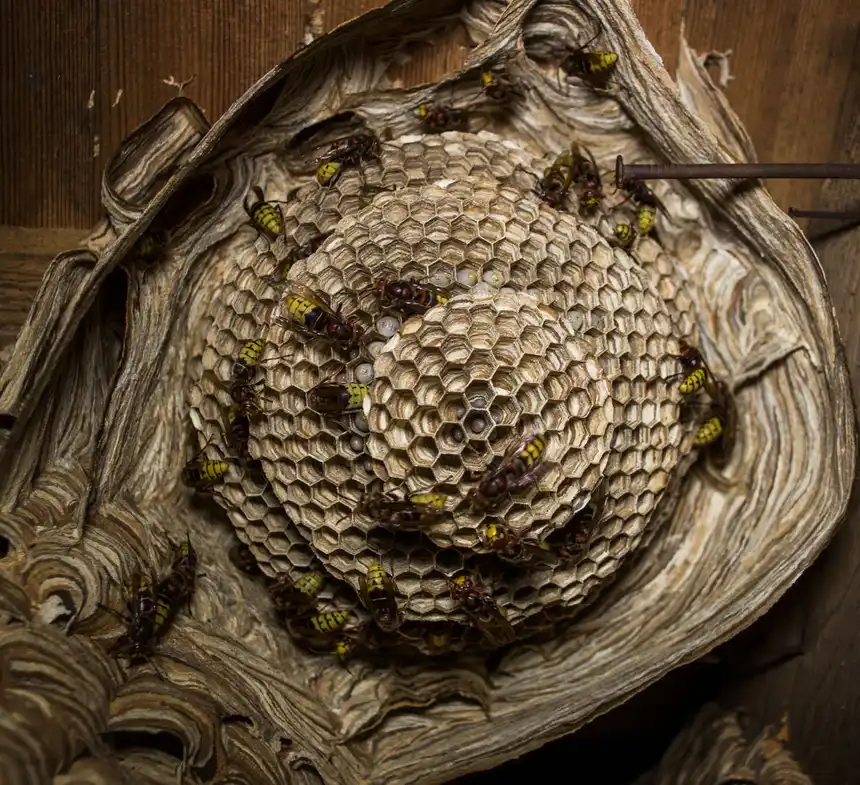
Pest Control in Downtown Detroit takes local building access, shared walls, and year-round indoor activity into account. At Aardvark Motown Pest Control, we inspect the source, identify entry routes, and choose a treatment suited to your space, whether you are near Campus Martius or managing a building in Greektown. Our Downtown Detroit Pest Control work covers homes and commercial properties across ZIP codes 48226 and 48201.
Useful updates and clear arrival timing.
Review the approach and price before deciding.
Equipped vehicles and respectful cleanup.
Neighbors serving neighbors with follow-through.
Pest Control in Downtown Detroit is a property service that identifies pest activity, removes active infestations, and reduces routes pests use to enter or spread. In a city center with high-rise apartments and condos alongside older building stock with pest entry points, a useful inspection checks the room and the building conditions around it. We look for gaps at utility lines, door sweeps, service spaces, moisture, food sources, and signs of movement before choosing a treatment.
Our team serves Foxtown, Bricktown, Campus Martius, and Greektown, as well as properties near the Renaissance Center and Ford Field. A Downtown Detroit exterminator needs to account for delivery access, shared corridors, management rules, and occupied spaces. We use inspection findings to select baits, traps, or targeted insecticides where appropriate, then explain what you should do after service. For apartments and commercial properties, coordination with the property contact helps treatment reach the relevant areas without disrupting more of your day than necessary.

Downtown Detroit properties need pest work matched to use, access, and building layout. We handle insects and rodents in apartments, office suites, restaurants, and shared spaces, with inspection and treatment plans based on observed activity. For a recurring issue, affordable pest control in Downtown Detroit starts with identifying the source and choosing a proportionate response, not treating every room without evidence. Our technicians can coordinate with residents, building managers, and business operators to keep service focused and workable.
Our general service starts with an inspection of the rooms, entry points, and activity you report. In Downtown Detroit condos and office buildings, we check door gaps, plumbing penetrations, storage areas, and shared access points, then target the pest identified. We explain preparation and follow-up so you know what to watch for after treatment.
View service →02Rodent service focuses on signs such as droppings, gnawing, rub marks, and sounds behind walls or cabinets. In older Downtown Detroit building stock, we inspect utility gaps and service areas, place appropriate traps or bait stations, and identify exclusion work that can limit access. We also discuss sanitation and monitoring steps for your property.
View service →03A mouse can enter through a very small opening, so our inspection traces activity around appliances, pipe penetrations, storage, and doors. For Downtown Detroit apartments and condos, we use snap traps or monitored bait placements where suitable, then point out gaps that need sealing. You receive clear placement and safety instructions for occupied rooms.
View service →04Rat calls require careful inspection of access routes, food sources, and areas with fresh activity. Our Downtown Detroit service can include secured bait stations, traps, and practical exclusion recommendations suited to the building. For commercial properties, we coordinate access with the responsible contact and focus on the rooms or service areas connected to the evidence.
View service →05Cockroach treatment begins by locating activity near heat, moisture, appliances, and plumbing. In Downtown Detroit restaurants and multi-unit buildings, we target harborage areas with an appropriate combination of baits and other labeled materials, rather than relying on a broad surface application. We explain preparation and follow-up because sanitation and access affect results.
View service →06We follow ant trails toward likely entry points and food or moisture sources, then choose a treatment for the species and location. In Downtown Detroit kitchens and office break rooms, wiping away a trail alone may not address the nest. Our technician explains bait placement and simple steps that help keep the route from becoming active again.
View service →07Spider service addresses webs, likely insect food sources, and gaps that provide access to indoor areas. Downtown Detroit storage rooms, window edges, and less-used corners receive a focused inspection. We remove accessible webs, apply targeted treatment when appropriate, and identify exclusion or housekeeping steps that can reduce places where spiders settle.
View service →08Bed bug treatment starts with a detailed inspection of mattress seams, bed frames, nearby furniture, and room edges. In Downtown Detroit apartments and hotels, we explain preparation clearly and treat the affected area according to the findings. We also review follow-up checks, because bed bugs can hide in narrow cracks and nearby furnishings.
View service →09Heat treatment uses controlled equipment to raise temperatures in targeted rooms and furnishings, with monitoring throughout the process. Our Downtown Detroit technicians assess access, room contents, and preparation requirements before work. We explain which items need attention and how to keep treated areas clear until the process and final checks are complete.
View service →Downtown Detroit Pest Control starts with a clear report of the pest, room, and time of activity, followed by an inspection of likely hiding places and entry routes. Our technicians plan around high-rise access, elevator procedures, loading instructions, and occupied commercial spaces. When parking or access is restricted, we confirm the service entrance and contact before arrival so tools reach the right floor efficiently. Detroit winters push rodents and insects toward heated interiors, while spring thaw and summer moisture can expose new activity around lower levels and exterior openings. We inspect older building stock for gaps at utility lines, doors, and vents; a sealant or exclusion screen can be more useful than repeated product application. For same-day pest control Downtown Detroit MI, call with the address, pest signs, and access details. We use labeled products according to their directions and keep treatment limited to the inspected need.
A pest seen in one Downtown Detroit apartment may be using a plumbing chase or wall opening that also serves neighboring units. Treating only the visible room can leave the route active, especially when a building has several occupied floors. We inspect the affected unit and accessible adjacent routes, then identify what needs attention inside the home and what should be reported to management. Monitors or traps help establish movement, while sealing gaps and coordinating access can address the route rather than only the sighting.
Restaurants, offices, and venues near Downtown Detroit landmarks manage deliveries, staff movement, and customer traffic. A service visit needs to reach the right room without blocking a receiving door or interfering with normal operations. We coordinate the entry point and service window with your building contact, then prioritize the inspected areas. Our technician brings the selected equipment and treatment materials for that job, explains any preparation, and records findings that help you manage follow-up between visits.
Older building stock with pest entry points can have openings around pipes, basement windows, doors, and masonry transitions. Small gaps are easy to miss, and activity may appear far from the actual entry route. We trace evidence back toward likely access points and note gaps that need durable repair. Where suitable, we use exclusion screens, sealants, or foam for appropriate openings, alongside targeted traps or baits. We distinguish pest treatment from building repair so you know the next practical step.
Pesticide use in Downtown Detroit must follow the product label and applicable Michigan requirements. Our technicians select products for the identified pest and site, follow label directions for application and re-entry, and explain any preparation or access steps before the treated area is used.
Federal pesticide labels specify where and how a product may be applied, along with handling and safety directions. We follow those directions in Downtown Detroit homes and businesses, choosing targeted applications and keeping customers informed about any room-specific precautions.
Downtown Detroit has cold winters, warm humid summers, and year-round pest activity due to heated buildings. Older building stock with pest entry points, shared service routes, and constant movement of goods create varied conditions from one property to the next. Downtown Detroit exterminator visits often begin with rodent signs, cockroach activity, ants, or bed bug concerns, but the right response depends on inspection. We check moisture, food access, openings, and the location of evidence before selecting a treatment.
Small openings around pipes, basement edges, doors, and service areas provide access to warm interiors. Winter cold can make heated spaces attractive, while storage and food sources help rodents remain nearby. In a multi-unit building, routes may extend beyond the room where signs appear. We inspect for droppings, rub marks, gnawing, and travel routes, then place traps or secured bait stations where appropriate. We identify gaps that need sealing and explain how maintenance or management can address shared access points.
Warm motors, moisture, food residue, and narrow equipment gaps provide shelter and resources. Restaurants and multi-unit properties can have complex service areas, so activity may stay hidden until sightings increase. A surface spray alone may miss the hiding place. We inspect around appliances, plumbing, and storage, then use targeted baits or other suitable labeled materials. We review cleaning access and monitoring points with you, making it easier to see whether activity declines and where follow-up is needed.
Ants can enter through small frame gaps and follow reliable food or water sources in kitchens and office break rooms. Warm interiors support activity beyond outdoor seasonal peaks, while a trail may be coming from a concealed point rather than the nearest visible crack. We follow the trail to likely entry and feeding points, then place an appropriate bait or treatment. We explain what to clean, what to leave undisturbed, and which opening may need sealing after activity is controlled.
Bed bugs hide in seams, bed frames, furniture joints, and narrow cracks, making casual visual checks unreliable. In apartment buildings, movement of belongings and shared walls can complicate locating all affected areas. They do not require a dirty room to establish themselves. We inspect beds and nearby furnishings, identify the affected areas, and explain preparation before treatment. Depending on findings, we use an appropriate treatment method and set follow-up checks. Keeping belongings in place until instructions are given helps avoid spreading insects.
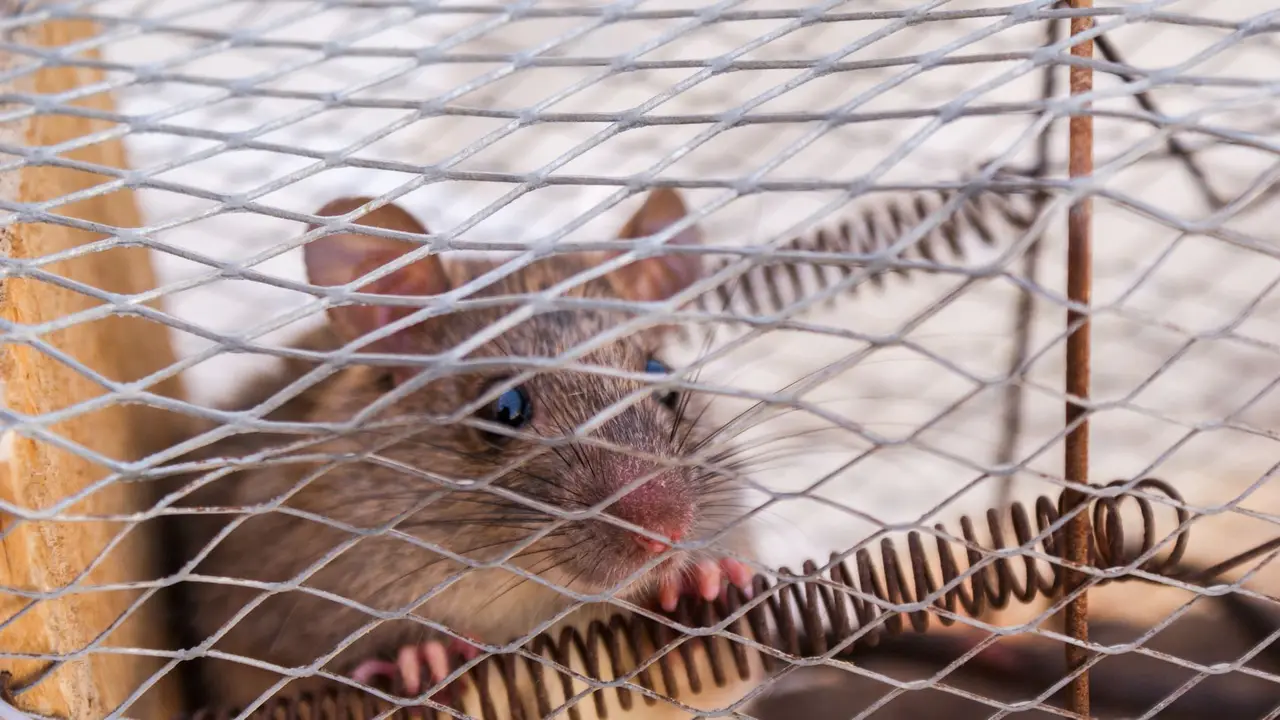
Typical 2026 pricing in Downtown Detroit depends on the pest, the size of the affected area, and whether the source is limited to one room or involves shared building spaces. A focused inspection or single-area treatment may run about $150-$350; more involved rodent or bed bug work can range from $300-$1,200 or more depending on the findings and treatment plan. Downtown Detroit Pest Control costs also reflect access needs, preparation, monitoring, and repeat visits when an infestation requires them. We explain the price before work begins. Tell us the pest, building type, ZIP code, and any access restrictions so we can discuss the right service.
A targeted ant or spider treatment generally requires less labor than a bed bug or established rodent infestation. The method, materials, and follow-up schedule affect the total. We base the plan on the pest identified and the rooms or building areas showing activity.
Treating one kitchen differs from inspecting multiple floors, wall routes, or shared service spaces. Downtown Detroit high-rise access, elevator procedures, and restricted loading areas can add time to the visit. Clear access instructions help us plan the job efficiently.
Some infestations need monitoring or another visit to confirm activity has stopped. Sealing entry gaps can also require additional materials or coordination with building maintenance. We separate treatment tasks clearly so you know what addresses the pest and what prevents a return.
Downtown Detroit's landmarks make it easier to clarify an address and select the right approach to a building. We use the nearest major destination as an orientation point, then rely on your street address, entrance, and access instructions for the final approach. This is especially helpful when an office or apartment has a separate loading entrance or controlled lobby. We do not treat a landmark as a substitute for a service address.
The Renaissance Center is a prominent riverfront complex and a clear orientation point for the eastern side of downtown. A nearby street address helps distinguish the exact building entrance and service access.
Comerica Park is a major downtown sports venue and recognizable reference point near Foxtown. Sharing a nearby address or cross street helps us route to the correct property rather than the venue itself.
The Detroit Opera House provides a recognizable downtown reference near Grand Circus Park. It can help customers describe the general area while the property address establishes the actual destination.
Greektown is a downtown district known for dining and entertainment, with businesses and residential uses close together. For a service visit, the building address and the correct entrance remain essential.
Campus Martius is a central public space framed by offices, retail, and other downtown destinations. Customers can use it as a broad orientation point when giving the location of a nearby property.
The Detroit People Mover serves stations around central Detroit. It is useful passenger transit for downtown visitors, while technicians still use the property's street address for vehicle access.
The QLine runs along Woodward Avenue through central Detroit. Its route can help identify the general downtown area, but service access depends on the individual building entrance.
We serve the central neighborhoods and districts where residents and businesses need practical pest work, including Greektown, Foxtown, Bricktown, and the Campus Martius area. Building layouts vary from high-rise apartments to older commercial structures, so we tailor inspections to the address and reported activity. Tell us your nearest cross street, ZIP code, and building access requirements when you call.
Foxtown sits among major sports and entertainment destinations, with nearby offices, dining, and residential buildings. We plan pest visits around the specific building entrance and unit access, then inspect kitchens, service spaces, and entry gaps connected to the report. We use the address and nearest landmark to locate the correct entrance and arrange access with your contact.
Campus Martius is a central downtown reference point surrounded by offices, shops, and residential properties. Pest concerns here can involve shared building systems or high-use break rooms, so we check reported rooms and nearby access routes before selecting treatment. A street address near Campus Martius Park helps us identify the building and its service entrance.
Greektown combines restaurants, entertainment, and residential spaces within a compact district. Our inspections account for food storage, deliveries, and occupied common areas, with treatment focused on the evidence found in the relevant kitchen, unit, or service corridor. We coordinate arrival around the property entrance and any loading or visitor instructions you provide.
Bricktown includes residential and commercial properties close to central Detroit destinations. Older construction and varied renovations can leave different entry conditions from one address to the next. We inspect the actual openings and activity rather than assuming all buildings share the same pest route. Share your building address and floor so we can plan the correct access route and equipment.
These examples show how we approach common building problems without assuming every Downtown Detroit property is the same. We inspect the evidence, choose a method suited to the space, and explain the practical next step. The details below illustrate work scenarios and measurable checks, not a promise that every infestation follows the same schedule.
A condo resident near Campus Martius reported mouse droppings beneath the kitchen sink and scratching after the heating system came on. We inspected the cabinet, pipe openings, appliance edges, and accessible utility gaps, then placed snap traps along the identified route. We showed the resident two openings that needed sealing and reviewed food storage and monitoring. The treatment stayed focused on the kitchen and connected access points. The resident checked the traps over the following 14 days and reported no further signs after the openings were sealed. The visit identified two entry gaps and set a clear monitoring period.
A Greektown food business found cockroach activity beside a warm refrigeration unit and in a narrow service gap. We inspected the equipment edges, nearby plumbing, and storage area, then used targeted bait placements suited to the site. We reviewed cleaning access with the manager and arranged monitoring at the affected points. The work avoided broad treatment of customer areas and kept the focus on the evidence. The manager received a three-point monitoring layout and follow-up instructions for the next 7 days. That created a checkable way to track activity while the service gap and cleaning routine were addressed.
An office contact in Bricktown noticed ants along a window edge and recurring trails near a staff kitchenette. We traced the trails, checked the window frame and kitchenette for food or moisture, and applied bait at suitable activity points. We removed accessible trail residue and explained how to avoid disturbing the bait. The office contact received a simple checklist for daily food cleanup and a return observation window. The customer monitored two activity points for 10 days and reported the trail had stopped. The inspection also identified one window-frame gap for maintenance to seal.

We had mouse signs under the kitchen sink in our Campus Martius condo. The technician checked the pipe openings, showed us where the route likely was, and placed traps where they would not interfere with daily use. He explained what to monitor over the next two weeks and left the kitchen orderly. The clear inspection made it easier to deal with the building gap.
Our Greektown restaurant needed help with cockroach activity near refrigeration equipment. The technician inspected the service gap and storage area, then explained bait placement and cleaning access to our manager. We appreciated that the work stayed focused on the problem area instead of disrupting the dining room. The follow-up instructions gave our staff specific checks to complete.
We noticed ants returning near an office kitchenette in Bricktown. The technician traced the trail to a window edge, placed bait, and pointed out a gap for building maintenance. We got a useful monitoring plan and knew what not to clean around the bait. The trail stopped, and the visit was straightforward from arrival through the final walkthrough.
In November and through winter, rodents and insects can remain active inside heated Downtown Detroit buildings even when outdoor activity slows. Cold snaps also make gaps around doors and service lines more noticeable as pests seek shelter. Spring brings thaw, moisture, and renewed insect movement; summer raises mosquito and wasp concerns; fall prompts pests to seek indoor cover again. If you need 24/7 pest control Downtown Detroit near me, call with the pest and building access details so we can route the right response.
As temperatures rise and snowmelt and rain add moisture, ants and other insects become more visible around windows, foundations, and service entries. Spring is also a useful time to check screens and door seals before warmer weather increases activity.
Warm weather supports mosquito activity and increases encounters with wasps, hornets, and ants. Outdoor containers can hold water, while restaurant receiving and waste areas need routine attention. Indoor sightings still deserve an inspection if they recur.
As temperatures fall, mice and other pests look for protected indoor spaces. Downtown Detroit's offices, condos, and older buildings may reveal activity near loading doors, utility penetrations, and storage areas as heating systems begin running.
Heated interiors allow year-round pest activity even during Detroit's coldest months. Rodents can move through service routes, and cockroaches may remain active around warm equipment and plumbing. Indoor evidence matters more than outdoor temperatures.
Downtown Detroit is part of a connected service region, and our technicians travel between central districts and nearby neighborhoods for residential and commercial calls. We organize each visit around the property address, pest issue, and access details rather than assuming neighboring areas have identical building conditions. If your property is outside the downtown core, these local pages describe nearby coverage.

Midtown is directly north of Downtown Detroit, with frequent movement between central offices, institutions, apartments, and businesses.
Local coverage and details
Corktown lies west of the downtown core and shares convenient access for customers moving between central Detroit neighborhoods.
Local coverage and details
Mexicantown is southwest of downtown, extending service coverage across nearby residential and commercial parts of Detroit.
Local coverage and detailsGreektown is within the Downtown Detroit area, close to central offices, entertainment destinations, and residential buildings.
Local coverage and detailsA good contractor should explain what the inspection found, which pest is being treated, and what happens after the technician leaves. Downtown Detroit buildings add practical questions about shared walls, elevators, loading access, and tenant coordination. Ask how the treatment fits your property and what you need to prepare. Clear answers show whether the contractor is planning around the actual infestation or offering the same approach for every address.
A technician should connect the treatment to evidence such as droppings, trails, nesting signs, or entry gaps. This answer tells you whether the visit includes diagnosis or only a routine application. For Downtown Detroit shared buildings, ask whether adjacent routes or service areas will be considered.
The answer should explain product placement, label directions, access restrictions, and any re-entry timing relevant to the treatment. A contractor working in a condo or office must communicate clearly so people know which rooms to avoid and when normal use can resume.
Repeated sightings often continue when an opening or travel route remains active. Ask whether the technician checks pipe gaps, doors, vents, and nearby service spaces. A useful response distinguishes pest treatment from repairs while identifying which conditions your building contact should address.
High-rise access, shared corridors, and loading instructions can affect how a Downtown Detroit visit proceeds. A contractor who confirms the correct entrance and contact can reach the affected area with less disruption. This is especially important when activity may involve more than one unit.
You should leave knowing what signs to watch for, where monitoring devices are placed, and when to report continued activity. A specific follow-up plan gives you a way to judge progress instead of guessing whether the infestation is returning.
National Pest Management Association
Occupational Safety and Health Administration
General liability coverage for pest management operations
Member
Participant
A focused treatment often costs about $150-$350, while complex rodent or bed bug work can range from $300-$1,200 or more. The price depends on pest type, affected rooms, access, and follow-up needs. Typical 2026 pricing is discussed before work begins. Call with your ZIP code, building type, and the signs you found for a service-specific price discussion.
The right provider is one that inspects the evidence, explains the treatment, and follows product label directions. Aardvark Motown Pest Control has served Detroit for 46 years and handles residential and commercial calls in Downtown Detroit. Ask how the technician will address your specific pest, building access, and follow-up. Our team can discuss your issue at (313) 879-5917.
You need an inspection when you find repeated droppings, live insects, recurring trails, gnawing, or unexplained bites. A single sighting may not establish an infestation, but repeated evidence in a condo or office can point to a shared route. Residential pest control Downtown Detroit begins with identifying the pest and affected area, then choosing a treatment suited to your property.
Rodents, cockroaches, ants, bed bugs, spiders, and seasonal mosquitoes or stinging insects are common service concerns. Heated buildings support indoor activity through winter, while restaurants, apartments, and offices have different food, moisture, and access conditions. We identify the pest from signs and inspection before selecting treatment, rather than assuming a sighting has one cause.
Choose a company that inspects first, explains the selected treatment, follows Michigan and EPA product requirements, and gives clear monitoring instructions. Ask whether the technician considers shared walls, utility routes, and building access. Compare the specific plan and expected follow-up, not just the first-visit price. Call us with your address and pest signs to discuss the next step.
Not seeing your question? Our local team can help you understand urgency, scheduling and what to expect.
Ask the local team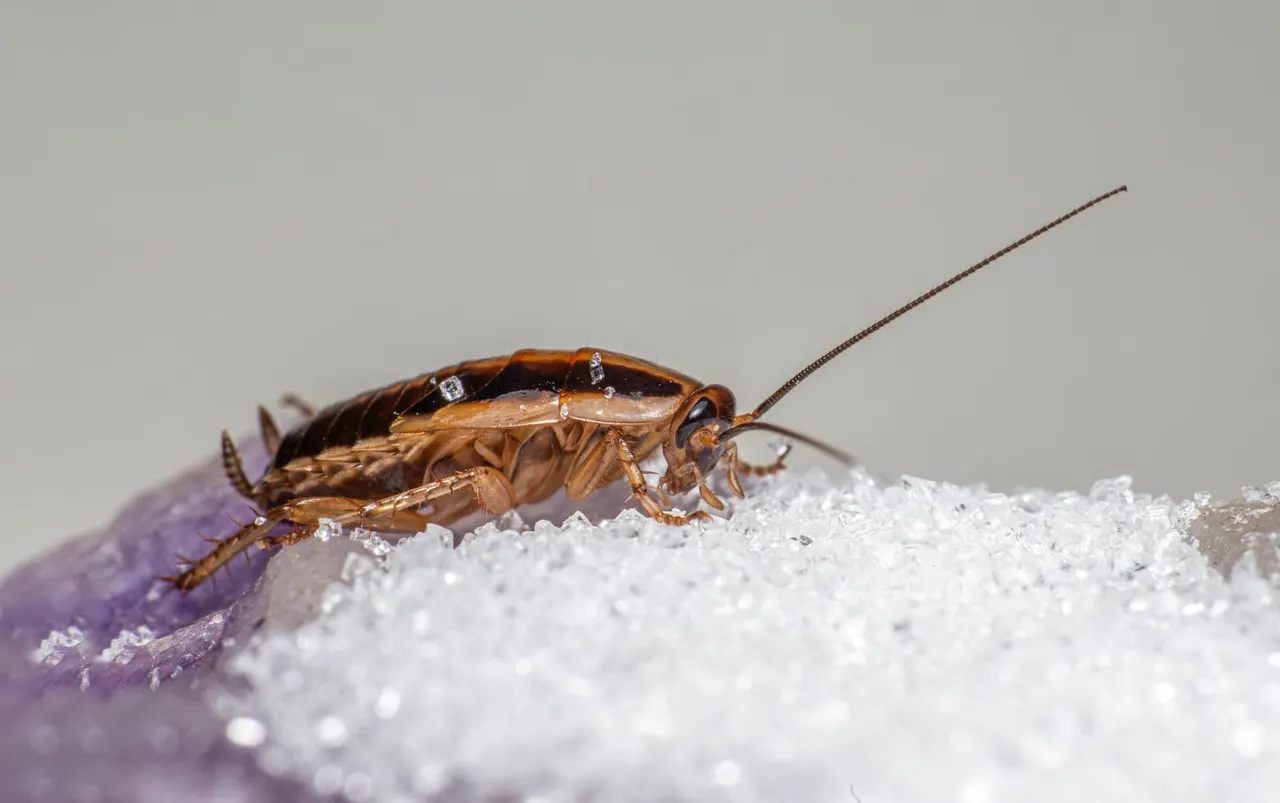
Call Aardvark Motown Pest Control at (313) 879-5917 to discuss insects, rodents, bed bugs, termites, or wildlife at your property. Our regular phone hours are Monday through Friday, 8:00 a.m. to 6:00 p.m.; leave a message outside those hours and include your Detroit neighborhood and the pest activity you noticed. We will respond during business hours.