Focused arrival windows
Useful updates and clear arrival timing.
Bat Removal Detroit MI helps homeowners and property managers resolve bats in attics, soffits, and wall gaps without trapping animals inside. Our team inspects the structure, identifies active entry points, and builds an exclusion plan suited to your building. We also provide bat control Detroit residents need when nighttime activity, droppings, or scratching sounds signal that a colony has moved in.
Useful updates and clear arrival timing.
Review the approach and price before deciding.
Equipped vehicles and respectful cleanup.
Neighbors serving neighbors with follow-through.
Our service covers inspection, identification of active entry points, a safe exit strategy, and sealing once bats have left. We also explain evidence and recommend the next step for affected attic materials. Major roof reconstruction or extensive guano remediation is a separate repair or cleanup task, and we identify it clearly so you can plan the work without confusing it with exclusion.
We examine accessible attic areas and the exterior roofline for guano, rub marks, openings, and travel patterns. You can point out when sounds occur, helping us distinguish active bat use from old damage. The inspection notes the entry locations that shape the exclusion plan.
We fit an exclusion device or screen at confirmed active openings so bats can leave without returning through that route. Placement depends on the surface and opening size. We check the edges and explain how long the device should remain before final closure.
Once exit activity stops, we remove temporary equipment and seal the openings with suitable screening, sealants, or repair materials. We also inspect nearby roofline seams to reduce the chance that bats shift to a second gap. The result is a physical barrier rather than a chemical deterrent.
We check treated locations after the exclusion period for fresh droppings, activity, or a loose repair. You receive practical guidance on signs to monitor over the next 2 to 4 weeks. If activity continues, we reassess the route instead of assuming the first opening was the only one.
We identify visible guano accumulation and explain the handling needed for the affected area. For contained deposits, vacuum units with suitable filtration and containment are safer than dry sweeping. Extensive contamination, damaged insulation, or concealed material may require additional cleanup beyond the exclusion work.
Share what is happening and receive a clear next step from the local team.
Bat Removal Detroit MI is a wildlife exclusion service that identifies bat entry points, guides bats out safely, and seals openings to prevent re-entry. We inspect rooflines, ridge vents, fascia, chimneys, and attic spaces for rub marks, guano, and airflow gaps. The work focuses on exclusion rather than poison or indiscriminate trapping. We map each opening, fit exclusion screens or one-way devices where appropriate, then close remaining gaps with durable sealants and suitable materials. Your plan also accounts for cleanup needs and access, so you know what happens at each stage.
Older Detroit homes, brick buildings, and multi-unit properties often have several small gaps around eaves, dormers, and utility penetrations. Winter freeze-thaw cycles can loosen flashing and sealants; warm attic spaces then offer bats shelter. If you are searching for bat removal near me Detroit MI, our inspection checks where activity begins and whether more than one opening is in use. We coordinate timing with the seasonal cycle and applicable wildlife rules, then explain the work in plain language before starting.
We check the attic when safely accessible, then examine the roofline from outside for guano, staining, rub marks, and gaps. You show us where sounds occur and when they are strongest. A typical inspection takes 45 to 90 minutes, and we document each likely opening so the plan addresses the full route rather than one obvious hole.
Our technician separates active exits from old damage by looking for fresh staining, droppings, and repeated flight paths near dusk. We note vents, fascia joints, chimney edges, and roof intersections. You get a clear explanation of which points need one-way exclusion and which can be sealed immediately without blocking bats inside.
We place one-way devices or exclusion screens at confirmed active openings, leaving bats a route out while preventing their return. The equipment is fitted to the surface and checked for loose edges. Depending on the structure, devices remain for several nights; the exact schedule is tied to observed activity and seasonal conditions.
After exit activity ends, we remove temporary devices and close the openings with suitable sealants, screening, or repair materials. We check nearby seams so a second gap does not become the new entrance. You can expect the physical sealing work to take several hours on a straightforward home, with larger roofs requiring more time.
We revisit or check the treated areas to confirm the exit route is inactive and the repairs remain secure. You receive practical guidance on attic access, damaged insulation, and signs to watch for over the next 2 to 4 weeks. If you notice fresh activity, call us at (313) 879-5917 so we can assess the location.
We use thermal patterns as one inspection aid when locating movement or heat differences in accessible spaces. The camera supports, but does not replace, visual evidence and exterior checks.
Fitted screening blocks return access while allowing bats to leave through an identified route. We choose the placement and attachment to suit the vent, soffit, or roof opening.
Contained vacuum units help manage loose guano during appropriate cleanup work. We avoid dry sweeping that can stir dust and assess the affected material before choosing a cleanup approach.
Durable sealants close narrow gaps around roofline joints after the bats have exited. We match the material to the surface and use screening or repairs where a sealant alone is not suitable.
Handheld lights and inspection mirrors help us examine tight eaves, vent edges, and attic corners without relying on a single visible opening. Findings guide the exclusion map.
We install a device at an active exit that allows bats to leave but blocks re-entry. The device remains in place for several nights, with the duration guided by observed activity. We do not seal the route until the animals have exited, which prevents creating an enclosed roost.
We check the reported entrance and the surrounding roof transitions, including vents, fascia, dormers, and chimney edges. Mapping several openings matters because bats can shift to a second gap if only the first is repaired. The inspection also separates wildlife openings from unrelated building damage.
After the exclusion route is inactive, we remove temporary equipment and close the opening with suitable screening, sealants, or repair materials. We test the attachment and visually inspect nearby seams. The goal is a durable physical barrier that matches the building surface and weather exposure.
We assess the size and location of guano deposits before disturbing them. Small, accessible areas can be handled with appropriate containment; extensive material or contaminated insulation requires a more substantial cleanup plan. We explain the difference so you can choose the correct next step.
We inspect the attic and exterior roofline, confirm whether bats are using the reported opening, and map nearby gaps. If the route is active, we fit a one-way device and set the follow-up sequence. You know which area needs access and when final sealing should happen. The animals can leave without being trapped, and the roofline is closed after activity ends. You regain a quiet bedroom and a defined repair record.
We coordinate access with the property contact, inspect shared vents and roof joints, and document the affected section. Our team schedules exclusion and sealing around safe access to common areas, then explains any resident notices needed during the work. The manager has a clear work sequence for the shared roof space, while residents know what activity to report and which areas are being treated.
We check whether the vent is active, inspect the flashing and adjacent seams, and fit exclusion equipment only where needed. After bats leave, we close the route and identify any damaged material that needs repair. The plan addresses both wildlife access and the weather-worn opening. The vent is secured against re-entry, and you know whether the flashing needs additional repair. A follow-up check confirms the treated route remains inactive.
We inspect the evidence, identify active entry points, and explain the expected exclusion sequence and repair needs. We prioritize a documented inspection and a safe exit plan, then complete sealing after activity stops. Any cleanup needs are identified separately so they can be scheduled appropriately. You have a defined path from inspection to closure and can communicate the work performed to prospective buyers without relying on an unverified patch.
Detroit's housing includes century-old brick homes, duplexes with shared rooflines, and newer structures with multiple vent transitions. Those details affect how we reach an opening and attach an exclusion screen. Freeze-thaw cycles can loosen mortar, fascia, and sealants; by November, we pay particular attention to weather exposure and whether a repair can hold through winter conditions. Bat control Detroit services must also account for seasonal wildlife activity and applicable Michigan rules, so we do not seal an active route without confirming the animals have left. Our inspection follows the roofline from the reported sound to nearby vents, chimneys, and utility penetrations. For bat removal Detroit MI 24/7 searches, call (313) 879-5917 to report active entry or an immediate indoor concern; we will discuss the safest next step. We serve Wayne County properties and tailor access plans for homeowners, landlords, and building managers.
Older homes and additions can leave several roofline transitions around dormers and rear extensions. We inspect those seams as well as the obvious attic vent.
Multi-unit buildings may share attic access and roof structures. We coordinate the inspection around common areas and identify which section contains activity.
Detached homes with long eaves and mature rooflines benefit from a complete exterior check, especially where fascia or vent edges have loosened.
Large older homes can have complex roof geometry, including dormers and chimney junctions. We map each likely route before placing exclusion equipment.
Temperature swings can open small gaps around flashing and fascia. We inspect the surrounding material before choosing a repair so a fresh seal does not fail against loose or damaged surfaces.
Eaves, vents, chimneys, and later additions may each provide a route. We check the whole affected roof section, since sealing only one entrance can redirect activity to another opening.
Duplexes and apartment buildings can have common attic spaces or connected rooflines. We work with the property contact to arrange access, identify affected units, and avoid closing an opening before the shared space is checked.
A homeowner heard fluttering after sunset and found droppings under an attic vent. A quick exterior look showed one loose edge, but the inspection found a second gap near the fascia. With two possible routes, sealing the visible vent immediately could have left bats inside or shifted activity to the other opening.
We placed an exit device at the active vent, monitored the route for several nights, and then sealed both identified gaps. The follow-up check found no fresh droppings at either point over the next 2 weeks. The homeowner reported that the repeated nighttime fluttering had stopped.
Maintenance: Check vent edges and fascia after major wind or winter freeze-thaw cycles. Keep the attic hatch closed and report fresh droppings or renewed dusk activity early, before a small gap becomes a larger repair.
Residents in a small Midtown building reported scratching above the top-floor hallway. The manager could not tell whether the noise came from bats or mice, and the shared attic had several vent openings. A patch at one vent would not have confirmed which route was active.
Our inspection found bat evidence near one roof vent and no matching activity at the other openings. We installed a one-way device, coordinated access for the shared attic, and sealed the confirmed route after exit activity stopped. A check 10 days later found the repair secure and no fresh evidence.
Maintenance: The manager now includes vent and fascia checks in seasonal roof inspections. Residents are asked to report repeated dusk sounds or new droppings promptly, while maintenance staff avoid blocking openings before an inspection.
A homeowner noticed guano below a roof vent after a storm and found cracked sealant along the edge. The attic had a strong odor near the vent, and the damaged seam left a clear access concern. The owner wanted the animal issue and repair handled in the right order.
We confirmed the active opening, fitted a one-way exclusion device, and waited for activity to cease before closing the vent edge with suitable materials. The follow-up inspection found no fresh droppings at the treated location after 2 weeks. The owner also received cleanup guidance for the affected attic area.
Maintenance: Have the roofline checked after severe weather and replace loose screening or split sealant before gaps widen. Do not sweep dry guano; keep people away from the affected area until cleanup is planned.
If you are asking how to get rid of bats in Detroit MI, the lasting fix is to remove access without sealing animals inside. We investigate the sound, evidence, and roofline opening, then address the entry route and related damage. That helps restore a usable attic and reduces the chance of a repeat roost.
Repeated nighttime activity disrupts sleep and can point to an active roost above ceilings, where a missed opening allows the colony to remain. We inspect the attic and roofline, identify the active exit, and fit a one-way device that lets bats leave. After activity stops, we seal the opening and check nearby vents and seams. You get a sequence that addresses both the noise source and the access route.
Droppings can build up, create odor, and release dust if disturbed, especially when loose material is swept or handled without containment. Our technician locates the roost area and marks visible accumulation before exclusion begins. We explain safe cleanup needs and use contained vacuum methods where appropriate. If insulation or concealed cavities are affected, we identify the extra work needed so you can avoid disturbing contaminated material.
A temporary patch can fail during wind or freeze-thaw weather, and an unsealed nearby gap may provide a new route into the same attic. We inspect the full roof section, not just the reported hole, and choose a screen or seal suited to the material. Once bats have exited, we close the active opening and check adjacent joints. This reduces access opportunities and leaves you with specific areas to monitor.
Treating the wrong animal wastes time and may leave the actual entry open, while movement and droppings can be difficult to identify from inside a room. We compare droppings, rub marks, sound timing, and exterior flight activity to identify the likely animal. Then we recommend bat exclusion or a separate rodent plan based on evidence. Your next step is tied to the species and opening, not a guess.
$300-$1,500+ depending on access, entry points, repairs, and cleanup
Bat removal services Detroit MI pricing depends on how many entry points are active, roof access, building height, and the amount of repair or cleanup required. For typical 2026 pricing, straightforward exclusions often fall around $300 to $900, while complex roofs or multiple openings can reach $1,500 or more. A basic inspection is faster and less costly than work involving steep pitches, extensive guano, or shared access. We explain the price before work begins, with the plan tied to the evidence at your property.
The price covers a plan that gets bats out before openings are sealed, reducing the risk of trapped animals and repeat access. Addressing nearby gaps during the same job can also prevent a new route from undermining the repair.
One accessible opening usually takes less labor and equipment than several vents, fascia joints, or chimney edges. We map active routes first so the plan covers the full access pattern rather than pricing only the most visible hole.
Steep or elevated roofs require additional access equipment and careful setup. A single-story roofline with clear access is usually simpler than a three-story structure or a roof with limited safe working space.
Brick, wood trim, metal vents, and older sealant each need different attachment or repair methods. Damaged fascia or loose flashing can increase labor because the surface must be stable before a lasting closure is fitted.
Small deposits near an accessible roost need less work than widespread droppings or contaminated insulation. Cleanup extent, containment, and disposal affect the total, so we identify the affected area before recommending that work.
Apartments and connected buildings can require coordination with a manager and access to common attic areas. Additional inspection points or scheduling across several sections may add time compared with a detached home.
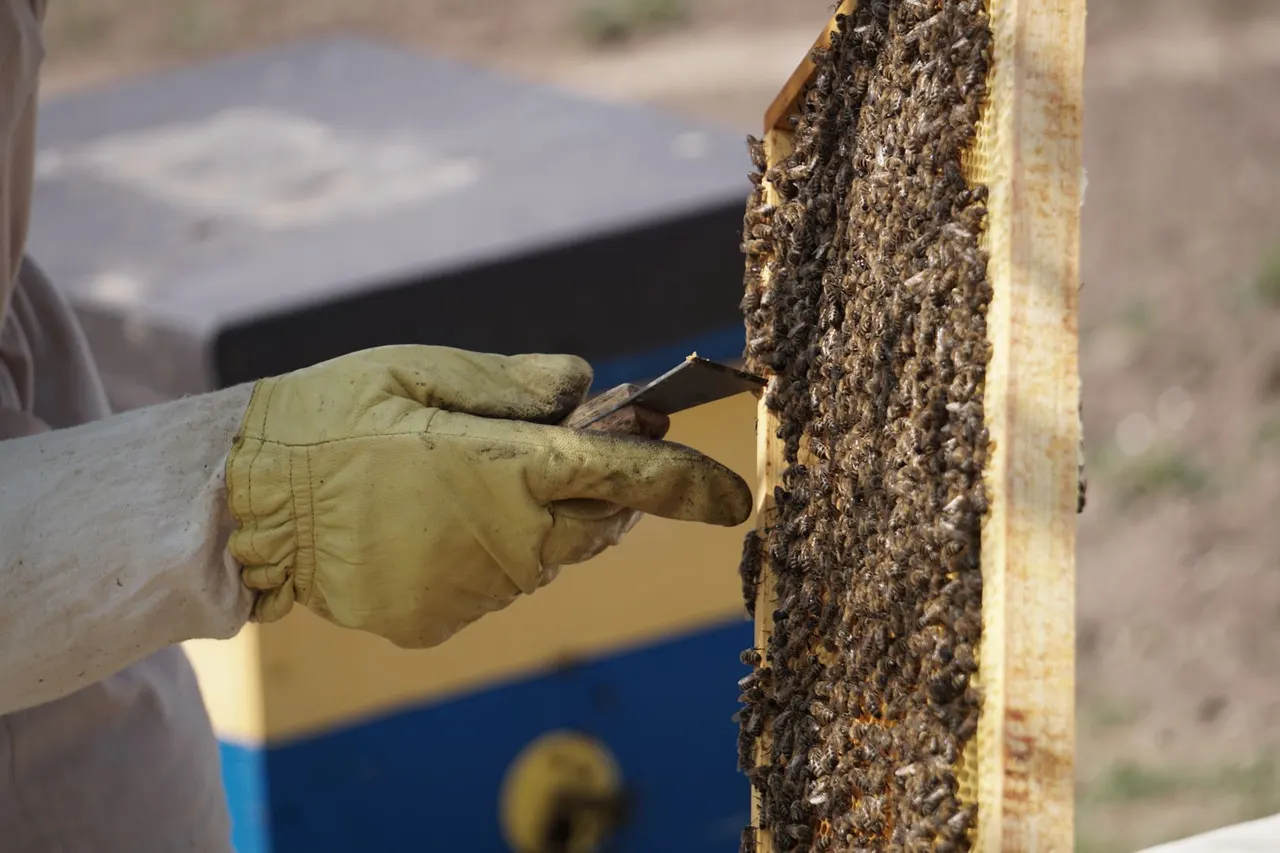
Aardvark Motown Pest Control has served Detroit for 46 years, since 1980, and our technicians understand the building details that complicate wildlife work. We use inspection findings to distinguish bat entry from squirrel damage or ordinary roof deterioration, then select an exclusion method suited to the structure. Our work follows applicable Michigan requirements and emphasizes keeping animals from being sealed inside. We explain the sequence, the affected areas, and the next check before work begins, so you know what to expect at your home or rental property.

We heard fluttering above the bedroom after dusk and found droppings near the attic hatch. The technician checked the roofline, showed us two openings, and explained why one had to stay open temporarily for the bats to leave. The team returned to seal both spots. The nighttime noise stopped, and we knew exactly what had been repaired.
Our tenants reported activity near a shared attic, and we needed a plan that worked around building access. Aardvark inspected the vents and fascia, placed an exit device, and came back after the monitoring period to close the gap. The clear sequence made it easier to coordinate with residents, and we have not had new reports from that roof section.
I thought the marks under the eaves were old, but the inspection found fresh activity at a loose roof vent. The crew fitted an exclusion screen and checked the nearby seams rather than patching just one spot. They explained the timing and what to watch for. The attic is quiet, and the repaired vent looks secure.
Bat removal in Detroit commonly costs about $300 to $1,500, depending on access, colony activity, and the number of openings. Typical 2026 pricing rises when roof work requires special access, multiple exclusion devices, or extensive guano cleanup. A simple, accessible entry point costs less than a multi-opening roofline repair. We inspect the structure, explain the work, and provide upfront pricing before starting.
The best bat removal in Detroit MI uses inspection, one-way exclusion, and complete sealing rather than poison. We identify active routes, fit devices that let bats leave, then close the openings after exit activity stops. Ask whether the plan checks secondary gaps and includes a follow-up. For a search such as bat removal Detroit, prioritize a method that protects the building and avoids trapping animals indoors.
You get bats out of a Detroit attic by identifying active exits, fitting one-way devices, and sealing openings after the bats leave. Do not block a suspected entrance immediately; that can trap animals inside walls or the attic. We inspect the roofline, attic evidence, and access points, then set a schedule for exclusion and verification. Call (313) 879-5917 if activity is ongoing or you find fresh droppings.
A straightforward inspection takes about 45 to 90 minutes, while exclusion and sealing commonly span several days. One-way devices often stay in place for multiple nights so bats can exit; roof repairs may take a few hours once the route is clear. Larger buildings or several entry points extend the schedule. We explain the expected sequence after seeing your roofline and confirming activity.
Not seeing your question? Our local team can help you understand urgency, scheduling and what to expect.
Ask the local team
Bat exclusion addresses wildlife access, while general pest visits target insects and other household pests around your Detroit property. If attic repairs reveal ant trails or cockroach activity, we can assess those issues separately and recommend a treatment plan suited to the rooms and building use.
View serviceBats and rodents can use the same roofline gaps, but they require different identification and removal methods. We check for droppings, gnaw marks, and nesting material so you do not mistake mice or rats for bat activity. Closing entry points after either service helps protect the attic.
View service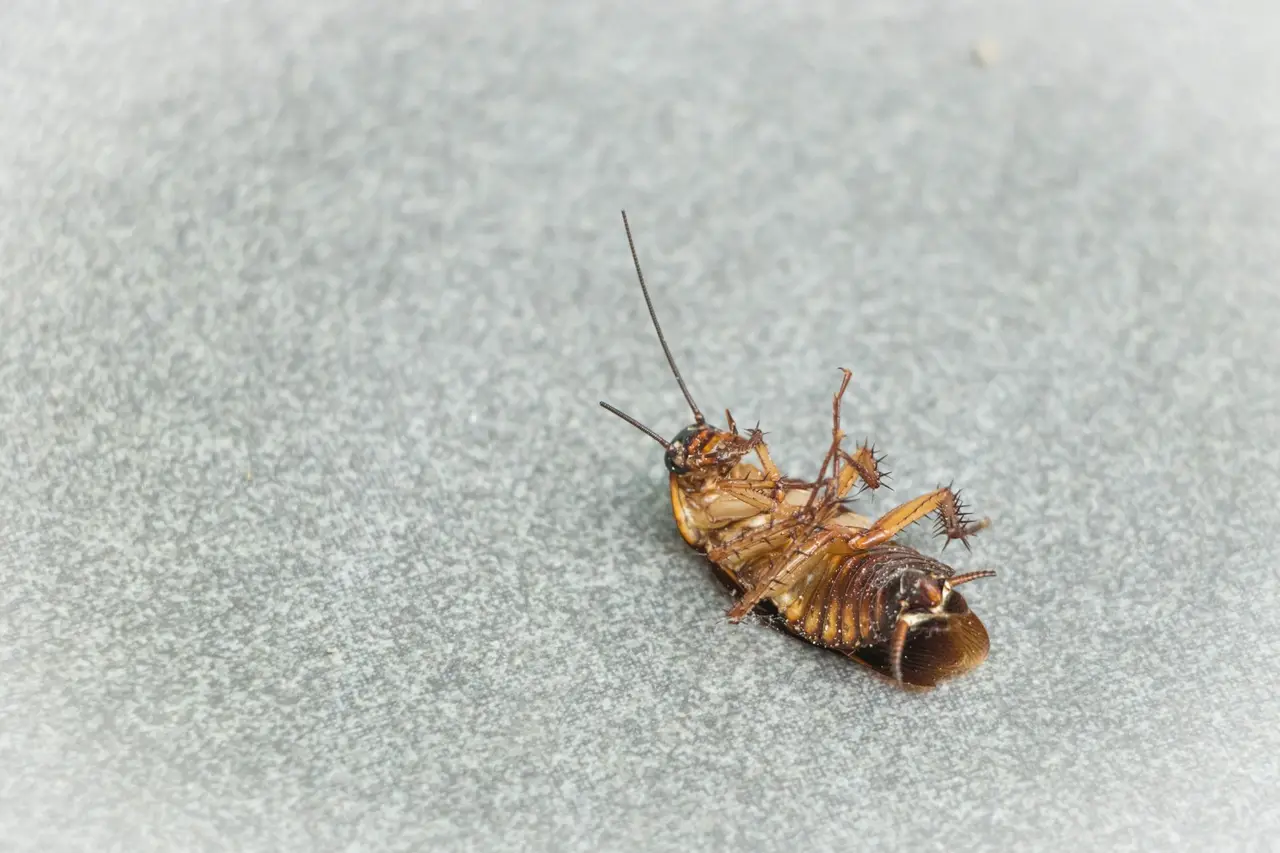
Small openings that admit bats can also give mice access to wall voids and attic spaces. If you hear scratching near the roof but find no flight activity, our team checks for rodent signs and plans treatment accordingly. Bat exclusion and mouse prevention work best when the gaps are correctly identified.
View service
Rat activity often leaves larger droppings, gnawing, and movement near food or utility areas, unlike bats roosting overhead. We inspect the property before choosing the service, then address the specific animal and its access route. That prevents an incorrect treatment from leaving the real problem unresolved.
View service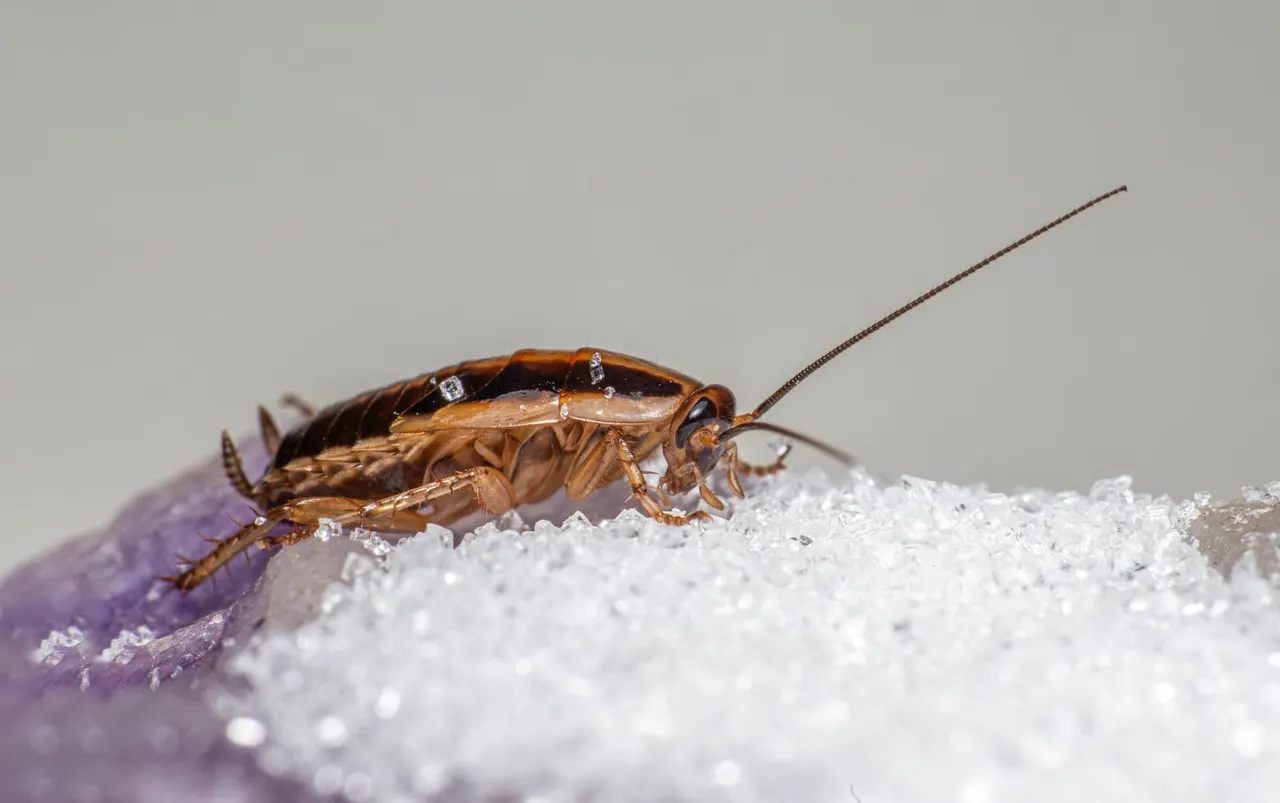
Call Aardvark Motown Pest Control at (313) 879-5917 to discuss insects, rodents, bed bugs, termites, or wildlife at your property. Our regular phone hours are Monday through Friday, 8:00 a.m. to 6:00 p.m.; leave a message outside those hours and include your Detroit neighborhood and the pest activity you noticed. We will respond during business hours.