Focused arrival windows
Useful updates and clear arrival timing.
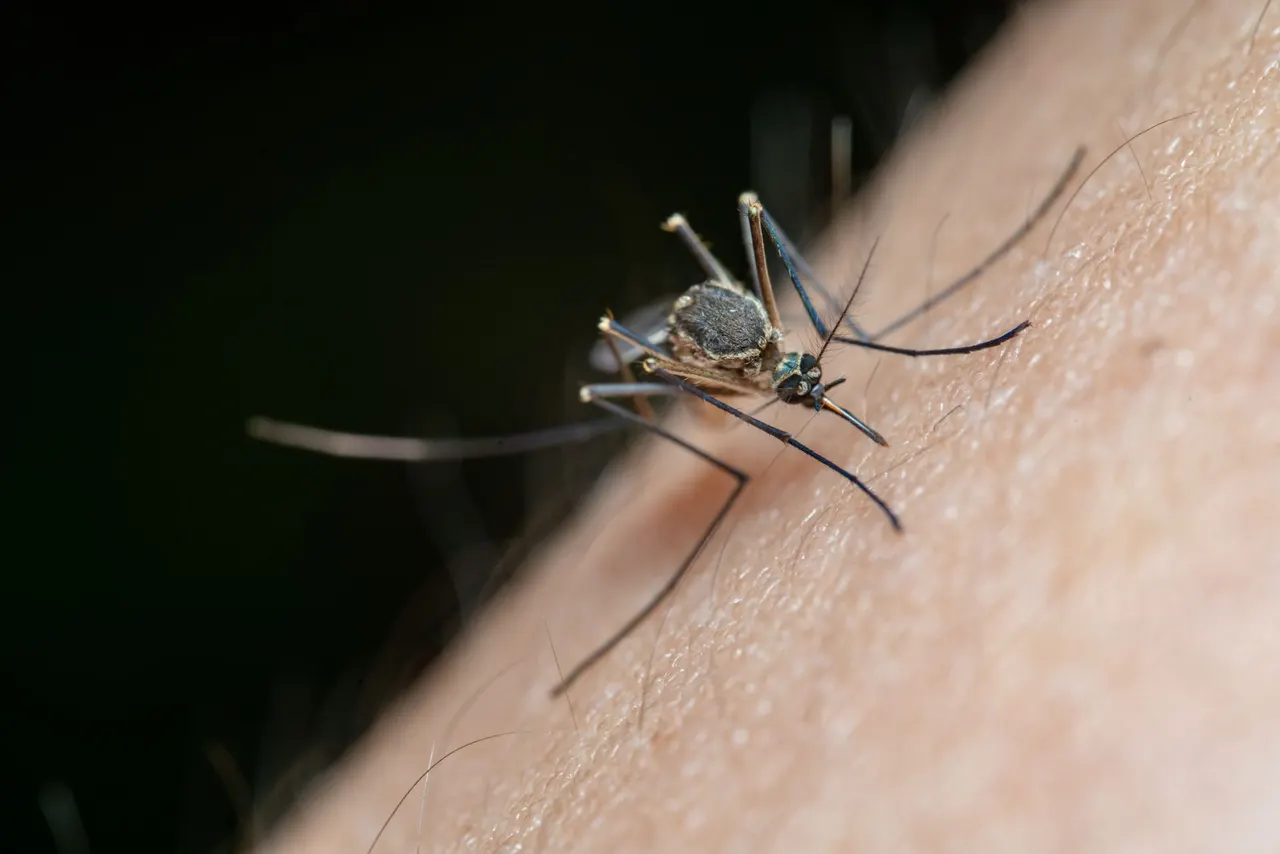
Mice Extermination Detroit MI helps homeowners, landlords, and local businesses stop scratching, droppings, and food damage at the source. We inspect the activity, locate likely entry gaps, and choose a treatment suited to your building and household. Our mouse removal Detroit service addresses active mice and the conditions drawing them inside, which matters as Detroit temperatures fall and rodents seek warm shelter.
Useful updates and clear arrival timing.
Review the approach and price before deciding.
Equipped vehicles and respectful cleanup.
Neighbors serving neighbors with follow-through.
A mouse service starts with inspection and a treatment plan tied to what we find. We identify active areas, choose suitable devices, and explain how sanitation and exclusion support the result. The exact work depends on access and infestation size; extensive construction repairs or unrelated pest treatments are handled as separate work when needed. You will know which areas were treated and what signs to monitor.
We check reported rooms and likely routes for droppings, gnaw marks, nesting material, rub marks, and food damage. The inspection includes accessible basements, kitchens, utility areas, and garages. You can point out sounds or sightings so we can connect them with evidence and focus treatment where mice are active.
We choose traps or secured bait stations according to the activity, building layout, and household conditions. Devices are placed along identified travel paths and explained before we leave. We also tell you how to keep children and pets away from treatment points and when to check for activity.
We look for gaps around pipes, vents, door thresholds, and foundation joints, including openings close to 1/4 inch. Suitable minor sealing may be included in the plan. We identify any larger repair needs clearly, so you know which route has been addressed and which needs additional maintenance.
We explain how to limit food and nesting materials that support mice, including sealing dry goods and reducing clutter near walls. For droppings, dampen the area and clean with gloves rather than sweeping dry material. These steps help keep treated areas less attractive while devices address active mice.
We review the expected monitoring period and the signs that should decline, often over 7 to 14 days. When fresh activity continues, a follow-up inspection checks device results and possible new access. You receive practical next steps based on what the evidence shows, not an automatic repeat of the first treatment.
Share what is happening and receive a clear next step from the local team.
Mice Extermination Detroit MI is a rodent-control service that identifies mouse activity, reduces the active population, and closes access points when mice are entering homes or businesses. We inspect droppings, rub marks, gnawing, nesting material, and wall or ceiling sounds, then set a treatment plan based on the evidence. Snap traps or secured bait stations may be used in appropriate locations; food sources and gaps around pipes, doors, and foundations also need attention. The goal is not simply to place traps, but to interrupt the conditions that let a rodent infestation continue.
Detroit's older housing stock, shared walls, basements, attached garages, and changing weather give mice several ways indoors. A gap roughly the width of a dime can be enough for a mouse to squeeze through, so we check utility penetrations and door sweeps as well as obvious holes. If you are searching for how to get rid of mice in Detroit MI, our inspection connects the signs you see with practical treatment and exclusion steps. We serve homes and businesses across Wayne County, Michigan.

We start with your report of sounds, droppings, or damaged food, then inspect likely routes in kitchens, basements, utility spaces, and garages. We look for fresh signs, nesting material, rub marks, and gaps near pipes or doors. A typical residential inspection takes about 30 to 45 minutes; larger or cluttered spaces need more time.
Our technician connects activity signs to likely mouse paths and records where access is possible. We check openings around service lines, foundation joints, vents, and door thresholds, including gaps as small as 1/4 inch. You can point out recurring noises or sightings, which helps us focus on the right wall, room, or level.
We select snap traps, secured bait stations, or other appropriate devices according to the inspection and household conditions. Devices are placed along active travel routes, not in random open areas. We explain where they are and give you simple precautions for children, pets, and stored food before treatment begins.
Where the service plan includes exclusion, we seal suitable openings with materials such as sealants or screening and identify repairs that need a different trade. Foam alone is not a durable answer for every gap, especially where rodents can gnaw. We explain which entry points were addressed and which require monitoring.
At the end of the visit, we summarize the evidence, treatment locations, sanitation steps, and warning signs to watch over the next 7 to 14 days. A follow-up visit checks device activity and fresh evidence when needed. You can call (313) 879-5917 if new droppings or noises appear after service.
We use snap traps where inspection shows a clear travel route and placement can be controlled. Their position is selected to reduce accidental contact and make checking results straightforward.
Secured bait stations hold rodenticides in a protected device when that approach fits the site. We place them according to activity and household or workplace safety needs, then explain their locations.
Glue boards may help monitor or capture activity in selected accessible locations, but they are not a stand-alone answer to an entry problem. We use them only where appropriate and explain what they can show.
Exclusion screens can protect suitable openings while allowing intended airflow. We assess the opening first and pair screens with durable sealing where appropriate, rather than leaving a route open around the edge.
Sealants close small gaps around service penetrations and other accessible transitions. We choose the approach based on the gap and surrounding material; foam alone is not suitable for every rodent entry point.
We map fresh droppings, rub marks, gnawing, and reported sounds before choosing treatment. This helps distinguish active mouse routes from old signs or other pest activity. Inspection findings also guide where to check for quarter-inch entry gaps and which rooms need monitoring.
We combine appropriately placed traps or secured bait stations with attention to accessible entry routes. Trapping reduces active mice; exclusion helps reduce new access. We also explain sanitation steps that remove easy food and nesting materials, making the treatment plan more complete.
When insecticides or rodenticides are considered, we select products and placement based on the target pest, site conditions, and label directions. We keep devices away from food-contact surfaces and explain precautions for children, pets, and staff. Treatment is never a substitute for identifying the source of access.
We review device activity and fresh signs over a practical monitoring period, often 7 to 14 days. If evidence continues, we reassess the route, entry gaps, and available food rather than simply repeating placement. That gives you a clear basis for the next treatment step.

We inspect the basement perimeter, stored items, utility lines, and access points before placing traps. We identify whether activity is concentrated in one corner or follows a route toward the kitchen, then explain safe storage and monitoring steps. If a gap is accessible, we discuss suitable exclusion. You get a focused treatment plan, safer storage guidance, and clear signs to check during the next 7 to 14 days.
We inspect the affected unit and accessible shared routes, then identify likely openings around plumbing and service penetrations. Devices are placed with residents and pets in mind. We explain what the property manager can coordinate across units so treatment is not limited to one visible room. Residents and management receive a coordinated account of active areas, device locations, and practical steps for reducing repeat access.
We inspect storage edges, receiving access, waste areas, and nearby wall penetrations. We place appropriate devices away from food-contact surfaces and explain what stock needs to be protected. We also identify door gaps or clutter that can provide cover and make practical recommendations for the facility. The operator gets a documented treatment path and targeted actions for protecting stored food and monitoring the affected zone.
We check the threshold, side seals, stored materials, and nearby foundation openings to determine how mice are entering. Treatment devices go along identified travel paths, and we explain whether the door sweep or other accessible gap needs attention. You receive guidance on keeping feed and seasonal goods sealed. The garage has a clear treatment and exclusion plan, with fewer accessible food sources and specific areas to recheck.
Detroit's cold-season conditions make fall and winter an important time to check basement windows, garage thresholds, and utility openings; mice seek warmth and shelter as outdoor temperatures fall. Spring and summer still bring activity when food, clutter, or building access supports nesting. We tailor mouse removal services Detroit to the building: a century-old home with a stone or aging foundation needs a different entry-point review from a newer apartment with shared plumbing chases. In older neighborhoods, gaps around service lines and settled door frames deserve close attention. We inspect kitchens, basements, garages, and accessible common areas, then place devices based on evidence and household use. Detroit jobs are served across Wayne County, Michigan, including 48209, 48208, and 48202. For mouse removal in Detroit Michigan, we also account for adjoining units, restaurant storage, and warehouse receiving doors, where one neglected access route can keep activity going. We explain treatment locations and cleanup steps before leaving, then review signs that should decline over the next 7 to 14 days.
Older homes and converted buildings can have varied foundations, basements, and service penetrations. We check those transitions alongside kitchen and pantry signs.
Apartments and mixed-use buildings often share utility routes or walls. We consider the affected unit and accessible common areas when tracing mouse activity.
Detached homes, garages, and landscaped foundations can present several access points. We inspect door thresholds, storage areas, and utility openings.
Homes and food businesses may have busy receiving or garage doors. We check thresholds, stored goods, and nearby wall openings for activity.
As outdoor temperatures fall, mice seek shelter near warm buildings. We give extra attention to basement windows, pipe penetrations, garage seals, and stored items near walls, then place devices along evidence-backed routes.
A gap near 1/4 inch can admit a mouse, and openings may be hidden behind appliances or stored goods. We inspect accessible transitions and identify practical sealing needs rather than treating indoor activity alone.
In apartments and multi-unit buildings, a mouse route may extend beyond the room where droppings were first noticed. We document affected areas and help management coordinate access, treatment, and monitoring with residents.
A Detroit homeowner found fresh droppings below the sink and noticed two opened food packages in one week. The cabinet shared a wall with plumbing, and a small gap around the pipe gave mice a sheltered route. The family had tried a single store-bought trap but had not located the access point.
We inspected the cabinet and adjacent utility area, set devices along the active route, and addressed an accessible opening. The homeowner moved dry goods into sealed containers and cleaned the area safely. At the 10-day check, no fresh droppings appeared and the trap showed no new activity.
Maintenance: Keep pantry goods sealed, wipe crumbs from cabinet corners, and check the pipe opening and door sweep monthly. Call if fresh droppings return or a trap shows renewed activity.
A Midtown resident heard movement behind stored boxes and found droppings along one basement wall. Several boxes were pressed against the foundation, hiding a gap near a service line. The visible signs were limited to one area, but the route toward the kitchen was unclear.
We moved the inspection focus to the foundation edge and service penetration, then placed traps along the confirmed route. We identified the gap for sealing and advised leaving a narrow inspection space beside the wall. At follow-up after 12 days, the resident reported no new sounds or droppings.
Maintenance: Keep stored items several inches away from basement walls, check the service opening after repairs, and avoid leaving pet food out overnight. Watch the route for fresh signs.
A Southwest Detroit garage had chewed birdseed bags and droppings near the side door. The threshold seal was worn, and feed was stored in thin packaging beside a stack of seasonal equipment. The owner was seeing activity inside but had not found a nest.
We inspected the threshold and nearby wall, set devices along the travel path, and recommended a durable door-sweep repair. The owner transferred feed to a sealed container and cleared the wall edge. Over the following 14 days, no fresh damage or droppings were reported.
Maintenance: Keep feed in rigid sealed storage, inspect the threshold monthly, and leave access to the foundation visible. Contact us if new gnawing or droppings show up.
Mice can contaminate food, damage stored items, and establish hidden nests in walls or insulation. Mice extermination works best when treatment addresses the active population and the route inside. We identify the evidence and help you resolve the conditions keeping the problem going.
Droppings near food or food-preparation surfaces can contaminate the area, while repeated signs point to an active route that needs attention. We inspect the kitchen and nearby utility openings, locate travel paths, and set appropriate devices where mice move. We explain safe cleanup and food-storage steps, then review whether new droppings appear during the monitoring period. If activity continues, we inspect the route again rather than assuming the first placement solved everything.
Hidden mice can travel between rooms and nest near insulation or stored materials, making the source difficult to pinpoint from sound alone. We compare your reported timing and location with droppings, rub marks, and accessible openings. Treatment focuses on confirmed paths, while we check pipe penetrations and foundation transitions for access. We explain which signs to listen and look for over the next 7 to 14 days.
Damaged packages create waste and expose food to contamination, and easily available supplies can keep mice returning to the same room. We inspect pantry edges, cabinets, and nearby gaps, then place devices safely along active routes. We recommend transferring dry goods into sealed containers and removing spills or crumbs. That removes an easy food source while treatment reduces the mice already using the space.
An untreated opening can keep admitting new mice even after indoor activity declines, especially near doors, service lines, and older foundation joints. We identify accessible gaps, including openings around 1/4 inch, and recommend suitable sealing or minor exclusion where included. We check door sweeps and utility penetrations, then explain which areas need monitoring. Closing the route helps prevent a recurring problem from replacing the mice already treated.
$180 - $450 for many residential inspections and treatments; larger or more complex jobs vary by scope
Typical 2026 pricing for residential mice extermination in Detroit runs about $180 to $450 for inspection and treatment, with the final amount tied to activity and access. A limited kitchen problem with one clear route costs less than mice across several floors or a multi-unit building. mouse removal Detroit pricing can rise when extensive exclusion, difficult access, or repeated monitoring is needed. We explain upfront pricing before work begins, so you know what the proposed treatment covers and what affects the total.
A focused treatment addresses active mice and the routes that keep bringing them inside. Paying attention to entry gaps, device placement, and follow-up can reduce repeated spending on traps that never reach the source.
One room with fresh signs is usually simpler to inspect and treat than activity on multiple floors, in a basement, and in a garage. More locations require additional inspection time, devices, and monitoring. We base the plan on current evidence rather than the number of rooms alone.
Small, accessible gaps may be straightforward to address, while multiple openings or damaged door hardware require more materials and labor. A gap around 1/4 inch is worth checking because mice can use very small openings. We explain which exclusion work is included in the proposed price.
A compact home is different from a large property, warehouse, or apartment building with shared utility spaces. Locked rooms, stored goods, and limited access can add inspection time. Clear access to walls, cabinets, and basements helps us work efficiently and locate evidence.
Continued fresh signs after initial treatment may require another inspection or adjusted device placement. A monitoring period of 7 to 14 days helps show whether activity is declining. The treatment plan and any follow-up charges are explained before additional work is scheduled.
Restaurants, warehouses, and other businesses may need a wider inspection of receiving doors, storage, and service areas. The number of spaces, operating hours, and access coordination affect labor. We focus the plan on affected zones and the property's practical operating needs.

Aardvark Motown Pest Control has served Detroit since 1980, bringing 46 years of local pest-control experience to the work. We approach mouse problems as a combination of animal behavior, building access, sanitation, and safe device placement. Our technicians inspect the structure rather than relying on a one-size-fits-all treatment. You get a clear explanation of the findings and a plan tied to the evidence in your property, whether the activity is in a detached home, apartment, restaurant, or warehouse.

We kept finding droppings under the kitchen sink and hearing movement near the basement stairs. The technician checked both areas, found a gap beside a pipe, and showed us where the traps were set. We followed the food-storage advice and saw no fresh signs after the follow-up. The explanation was direct and easy to follow.
There were scratching sounds behind the pantry wall and a torn bag of rice. The inspection found activity near the utility line, not just in the pantry. They placed devices away from our dog and explained what we should watch for over the next week. We appreciated having specific steps instead of a vague recommendation.
A ground-floor apartment had mouse signs near the stove and shared plumbing wall. The technician checked the unit and the accessible common area, then explained where sealing would help. We coordinated the treatment with the tenant and kept a log of fresh signs. The follow-up gave us a clear picture of what remained.
A typical residential mouse job in Detroit costs about $180 to $450, depending on activity, access, and exclusion needs. A small, localized problem usually costs less than mice affecting multiple floors or a commercial space. We explain upfront pricing before work begins. Your service plan may include inspection and treatment, while extensive repairs or repeat visits can change the total.
The best approach combines an inspection, correctly placed traps or secured bait stations, and attention to entry gaps. No single device solves every mouse problem. We identify active routes and household safety needs before choosing treatment, then explain follow-up signs to watch over 7 to 14 days. For mice removal Detroit Michigan, the right plan addresses both current activity and access.
Remove accessible food, store pantry goods in sealed containers, and arrange an inspection if you find fresh droppings or hear repeated movement. Our mice control Detroit MI service checks likely routes, places appropriate devices, and identifies gaps around pipes, doors, and foundations. Avoid sweeping dry droppings; dampen and clean them carefully with gloves. Call us if activity persists or appears in several rooms.
A first visit for an average Detroit home takes about 60 to 90 minutes, while activity reduction commonly requires 7 to 14 days of monitoring. The exact timeline depends on how many mice are present, access to nesting areas, and whether entry gaps are sealed. We check device activity and fresh evidence at follow-up, then adjust the plan if signs continue.
Not seeing your question? Our local team can help you understand urgency, scheduling and what to expect.
Ask the local team
General Pest Control can address several pest concerns found during a mouse inspection, such as ants or cockroaches. We identify each pest separately and use an appropriate plan for the affected rooms. Pairing services can help Detroit property owners coordinate treatments without confusing insect activity with rodent signs.
View service
Rodent Control covers broader mouse and rat activity, including entry routes and conditions around the structure. If inspection finds larger droppings, gnawing, or activity in an outbuilding, we determine whether the issue extends beyond mice. A single coordinated plan helps protect Detroit homes and businesses from recurring rodent access.
View service
Rat Removal is appropriate when droppings, gnaw marks, or sightings indicate rats rather than mice. The species changes the device size, placement, and exclusion approach. We inspect the evidence first, then explain how the rat treatment relates to any mouse activity already found in your Detroit property.
View service
Cockroach Extermination addresses a different infestation that can also appear in kitchens, basements, and multi-unit buildings. We identify the insect and its harborage before selecting treatment. Detroit customers with both cockroach and mouse signs can schedule a coordinated inspection while keeping the treatment methods specific to each pest.
View service
Call Aardvark Motown Pest Control at (313) 879-5917 to discuss insects, rodents, bed bugs, termites, or wildlife at your property. Our regular phone hours are Monday through Friday, 8:00 a.m. to 6:00 p.m.; leave a message outside those hours and include your Detroit neighborhood and the pest activity you noticed. We will respond during business hours.