Focused arrival windows
Useful updates and clear arrival timing.
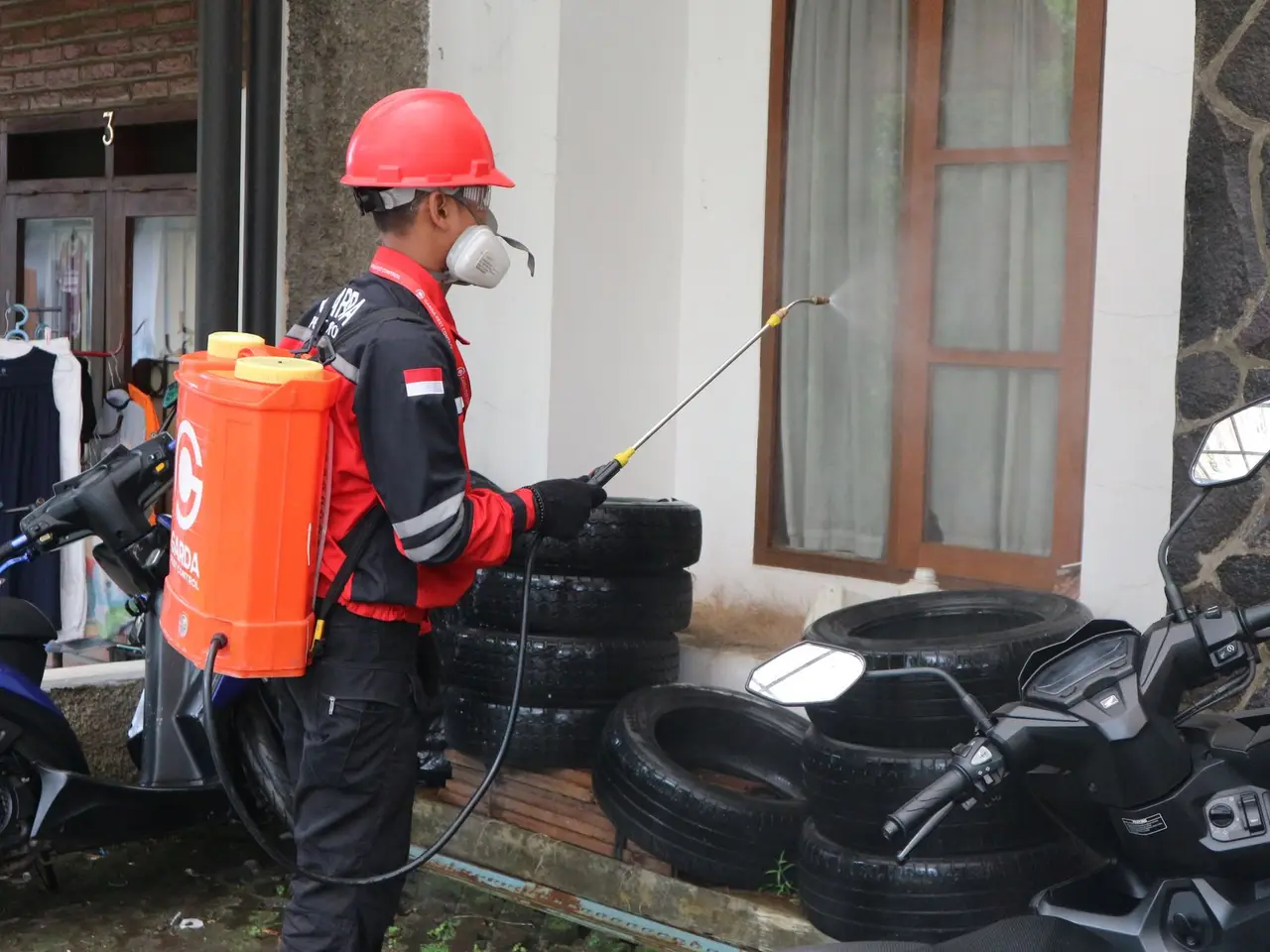
Commercial Pest Control in Detroit helps restaurants, offices, warehouses, and property managers stop pest activity before it disrupts operations. We inspect entry points, storage areas, waste zones, and shared walls, then build a treatment plan around your building and operating hours. Our business pest control Detroit service addresses active infestations and the conditions that bring them back, with clear findings and practical next steps for your staff.
Useful updates and clear arrival timing.
Review the approach and price before deciding.
Equipped vehicles and respectful cleanup.
Neighbors serving neighbors with follow-through.
A commercial visit covers inspection, pest identification, targeted treatment, device placement where appropriate, and written service findings. We also identify sanitation, moisture, storage, and entry-point conditions that contribute to activity. Additional work such as extensive exclusion repairs, specialized wildlife removal, or treatment of a separate pest issue is planned according to what the inspection finds. Your technician explains the recommended work and upfront price before proceeding.
We inspect representative rooms and exterior access points, including kitchens, storage, utility penetrations, loading doors, waste areas, and foundations. The inspection records evidence and conditions that matter to your property, rather than relying on a quick perimeter pass.
We select controls for the identified pest and the location, using labeled products and devices as appropriate. That may include baits, traps, dusts, or carefully placed insecticides. We keep treatment focused and explain any preparation or access requirements to your manager.
We place or check monitors and record their locations, catches, and observations. Your notes identify hotspots, treatment completed, and corrective actions for staff. This creates a useful comparison at the next visit and helps reveal whether activity is moving or declining.
We identify practical fixes such as repairing a door sweep, sealing a pipe gap, moving stock off the floor, or correcting standing water. Recommendations are prioritized by pest access and risk, so your team can address the most important condition first.
Share what is happening and receive a clear next step from the local team.
Commercial Pest Control in Detroit is a property protection service that identifies pest activity, treats active infestations, and reduces the conditions that allow them to return. We inspect interior and exterior areas, document evidence, identify access routes, and select controls suited to the site, pest, and occupants. A plan may use monitoring devices, targeted baits, traps, exclusion work, or carefully applied insecticides. We focus on kitchens, receiving areas, utility penetrations, storage rooms, dumpsters, and adjoining spaces because pests often travel between them. The result is a repeatable program, not a one-time spray.
Detroit businesses face pest pressure from older masonry, utility openings, shared walls, deliveries, and seasonal changes. Rodent infestation and cockroach infestation are common concerns where food, water, warmth, and clutter overlap; winter drives rodents toward heated buildings, while spring and summer raise insect activity. We map these risks and set service intervals to match your operation. If you searched for commercial pest control near me Detroit MI, our local team can inspect the site, explain findings, and prioritize the first corrective steps.

We walk the property with your manager and inspect high-risk rooms, exterior edges, plumbing penetrations, receiving doors, and waste areas. A first inspection commonly takes 45 to 90 minutes for a small business; larger facilities need more time. We note activity, conditions, access restrictions, and any areas that need immediate attention.
We identify the pest from droppings, cast skins, feeding damage, sightings, or monitor activity. Correct identification matters: a cockroach treatment differs from ant baiting, and rodents need both control and entry-point work. We explain what the evidence indicates and where the activity is concentrated before selecting methods.
We set priorities by risk and operating area, then choose targeted controls. Depending on findings, we may place glue boards, snap traps, or bait stations, apply an appropriate product to a labeled site, or recommend exclusion work. Your manager receives preparation instructions for rooms that need temporary access or food protection.
Our technician completes the planned treatment, records device locations, and follows product-label directions for placement and re-entry. A straightforward service visit often lasts 1 to 3 hours; an active infestation or large building can require staged visits. We coordinate around deliveries, food handling, and staff movement to reduce disruption.
We check devices and treatment results at the next scheduled visit, often within 7 to 14 days for active activity. We document new evidence, remove or service devices as appropriate, and review sanitation or repair tasks with you. Follow-up frequency then reflects the pest, building, and trend data rather than a fixed guess.

We use secured bait stations where rodent activity and site conditions support them, placing each device along an identified route and recording its location for follow-up checks.
Glue boards help monitor crawling insects or rodent activity in suitable locations. We use catches and placement context as evidence, then adjust inspection priorities rather than treating a board as a stand-alone solution.
Snap traps provide targeted rodent control where safe placement is possible. We position them along confirmed travel paths, protect access from customers and staff, and check them during scheduled visits.
Thermal imaging cameras can help locate temperature differences associated with concealed activity or building conditions during an inspection. Findings guide further checks; the camera does not by itself identify a pest.
Insecticide sprayers apply labeled products to appropriate sites when inspection findings support treatment. We keep applications targeted, follow label directions, and explain any access or re-entry instructions relevant to the area.
Exclusion screens help close suitable openings while allowing intended ventilation. We identify locations where screening or sealing can reduce pest access, then recommend a repair that fits the building opening.
We combine inspection, pest identification, sanitation recommendations, monitoring, targeted treatment, and exclusion. The sequence starts with evidence and prioritizes prevention, while treatment addresses active activity. Follow-up records show whether the selected controls are working and where the plan needs adjustment.
We place devices along observed travel routes, near activity evidence, and away from customer or food-contact access. Locations are logged so technicians can inspect them consistently. A device count or catch informs next steps; it is not a substitute for correcting access and attractants.
We check door edges, pipe penetrations, foundation gaps, screens, and loading areas for access. Recommendations may include sealants, foam suited to the repair, or exclusion screens. Closing an opening after confirming the pest route helps prevent new entry while treatment addresses activity inside.
We use dated service records and monitor locations to compare activity between visits. Managers can see where evidence appeared, what was treated, and which corrective actions remain. For active problems, visits may be 7 to 14 days apart before the interval is adjusted.

We inspect the receiving door, storage racks, waste route, and nearby utility openings, then identify whether the evidence points to mice or rats. We place appropriate control devices, document their locations, and give the manager immediate storage and access corrections. Follow-up timing is based on activity. The manager gets a focused response plan before service resumes at full pace, plus clear records for tracking activity and assigning repairs.
We trace the trail, inspect food storage and the pipe opening, and treat the relevant route with a targeted method. We recommend sealing the gap and keeping snacks in closed containers. Monitors help establish whether ants continue to enter from the same point. Staff can use the break room with fewer interruptions, while building management has a specific location to repair and check.
We inspect the dock, pallet spacing, exterior waste area, and stock rotation patterns. Traps or bait stations are placed along confirmed routes, and we note gaps requiring repair. We also review the monitoring layout so future catches indicate where goods or building access need closer attention. The warehouse team can protect inventory with a mapped device plan and practical receiving-area corrections instead of relying on occasional visual checks.
We inspect both suites and shared access points, compare evidence, and document the likely route through utility openings or common areas. We coordinate targeted treatment with tenant access and identify which repairs belong in shared spaces. The plan includes a follow-up review to check whether activity crosses between suites. The manager receives one coordinated picture of the issue, helping tenants address the source without duplicating treatments or overlooking a shared entry.
Commercial pest management Detroit Michigan businesses need is shaped by building age, weather, and how goods move through a site. Detroit's older brick buildings often have basement openings, aging mortar, shared utility chases, and doors that see heavy delivery traffic. In November and winter, rodents seek warmth and accessible food; spring thaw can expose gaps and moisture, while summer increases insect pressure around refuse and standing water. We inspect these conditions instead of treating every property alike. For business pest control Detroit sites, we map evidence across kitchens, storage, basements, loading areas, and adjoining suites, then prioritize the routes that connect them. A restaurant may need attention behind equipment and near drains; a warehouse needs checks at dock seals, pallet rows, and waste containers. We use labeled products, secure devices, and practical exclusion recommendations, with work planned around business hours. Wayne County properties also vary in occupancy and construction, so managers receive location-specific findings and follow-up priorities. Our service reaches Detroit, MI neighborhoods including 48209 and 48208, with additional routes in 48202 and 48207. We focus on keeping the building usable while reducing the conditions that sustain activity.
Mixed-use buildings, restaurants, and dense delivery traffic make receiving doors, waste rooms, and shared service spaces important inspection points.
Older masonry and renovated commercial spaces can have hidden pipe gaps and basement access routes that require close inspection.
Food storage, frequent deliveries, and waste handling put receiving areas and perimeter sanitation high on the inspection list.
Warehouses and busy loading areas benefit from mapped monitoring around docks, pallet storage, and exterior refuse.
We check door sweeps, foundation openings, and utility penetrations before activity spreads into storage or food areas. Device locations focus on confirmed routes, and managers receive repair priorities for openings that let pests enter.
A pest issue in one suite can follow pipes or wall voids into another. We document activity by room, inspect accessible shared routes, and coordinate findings with property management so treatment and repairs address the likely source.
Standing water, wet drains, and poorly managed waste attract insects around entrances and exterior work zones. We identify the source, recommend removal or maintenance changes, and target treatment only where inspection evidence supports it.
A Detroit warehouse manager found droppings along one pallet row and near the dock after deliveries. Staff moved boxes but did not know whether the activity came from stored goods, the loading door, or an exterior waste area. No device map existed, so each new sighting restarted the investigation.
We inspected the dock and pallet route, placed four snap traps at confirmed travel points, and recorded each location. The follow-up check after 10 days found one catch and no fresh droppings along the original row. The manager also corrected a door gap and changed pallet spacing to improve visibility.
Maintenance: Keep pallets at least 6 inches from walls where operations allow, inspect devices on schedule, and keep the dock area free of spilled product. Report fresh evidence by exact location so the next visit can compare it with the original route.
A restaurant in Midtown reported repeated cockroach sightings behind a refrigerator and near a sink. Staff had sprayed visible insects, but the warm motor space and moisture under the sink remained accessible. Sightings continued during evening cleanup, and there was no record of where activity was highest.
We inspected the equipment edges and plumbing area, placed monitors at six locations, and used targeted treatment at identified harborages. At the 14-day review, the manager reported fewer sightings and the monitor record showed activity concentrated at one remaining equipment gap. Staff improved access for cleaning behind the unit.
Maintenance: Keep the floor and wall edge behind equipment accessible for cleaning, repair leaks promptly, and check the six monitor points during scheduled service. Record any new sighting with its room and time rather than applying an unplanned spray.
An office near Downtown Detroit saw ant trails across a counter and around a sink each morning. Open snack packets and a small gap around a pipe supplied food and access. Staff wiped the counter daily, but the trail returned because the entry and attractant remained.
We traced the trail to the pipe opening, applied a targeted control, and placed two monitors near the route. The office sealed the opening and moved food into closed containers. At the next 10-day check, no active trail was found and both monitors remained clear.
Maintenance: Keep food sealed, wipe spills promptly, and inspect the pipe opening after maintenance work. If ants reappear, note the exact counter or wall location and contact us so we can check the route before activity reaches adjoining rooms.
A visible pest is often a sign of a nearby food source, nesting area, or opening. We inspect the full route so your business can address the cause and protect people, products, and daily operations. These are common commercial problems we investigate across Detroit.
Droppings and gnaw marks can contaminate stored goods, damage packaging, and raise concerns during a customer or staff inspection. We inspect the door, nearby waste area, and interior travel path, then place suitable traps or bait stations and document activity. We identify gaps for repair and recommend keeping deliveries elevated and separated from walls. Follow-up checks show whether the route is still active.
A small harborage can spread into storage and food-preparation areas, creating sanitation concerns and repeated sightings during busy shifts. We confirm activity around motors, sinks, drains, and cracks, then use targeted controls suited to the location. We review cleaning access and moisture sources with your manager, monitor the hotspot, and return to assess results. Treatment and sanitation work together; neither replaces the other.
Unsealed food and a small plumbing gap can sustain recurring trails, distract staff, and bring insects into adjoining rooms. We trace the trail to its entry and food source, apply an appropriate targeted treatment, and recommend sealing or storage changes. We place monitors where they provide useful evidence and review them during follow-up. Your staff gets a short, specific checklist rather than a broad instruction to clean more.
Activity can move between suites through utility openings, making isolated treatment less effective and confusing responsibility between occupants. We inspect accessible penetrations, shared service routes, and affected rooms, then map evidence by location. We coordinate findings with the property manager and recommend targeted treatment plus sealing work. For business pest control Detroit properties with multiple tenants, clear records help distinguish recurring routes from separate sources.
$150 - $850 for a commercial visit, depending on scope
A single commercial visit in Detroit commonly ranges from $150 to $850 in 2026. The final price reflects property size, pest type, activity level, access, and whether monitoring or multiple visits are needed. A small office with a limited ant issue sits near the lower end; a large facility with active rodents and several treatment zones costs more. Commercial exterminator Detroit Michigan customers receive a price based on the inspection and planned work, not a generic square-foot promise. We explain the charge upfront before service, and recurring plans reflect visit frequency and device checks.
A documented plan gives you more than a treatment visit: it ties devices, findings, and repairs to the locations driving activity. Correcting an entry point or attractant can reduce repeated callouts and help protect stock, work areas, and customer-facing rooms.
More rooms, floors, storage zones, and shared spaces require additional inspection time and devices. A compact office is simpler to map than a warehouse with several docks, long pallet rows, and multiple exterior access points.
A few ants at one entry need less work than a widespread cockroach infestation or repeated rodent evidence. Identification affects treatment choice, device count, follow-up timing, and the amount of monitoring needed to confirm progress.
Blocked equipment, stored goods, tenant schedules, and restricted areas add labor because technicians need safe access to inspect and treat. Clearing a path to walls and utility areas can shorten a visit and improve the quality of the inspection.
Active activity often needs a return check within 7 to 14 days, while a stable site may use a longer interval. More frequent checks add service cost but provide quicker feedback about traps, monitors, and corrective work.
Sealing multiple gaps, replacing screens, or correcting door access adds labor and materials beyond routine treatment. Small accessible openings are simpler to address than concealed or elevated routes requiring additional building work.
Aardvark Motown Pest Control has served customers for 46 years, since 1980, and brings that local operating history to commercial sites throughout Detroit. Our technicians assess the building, pest biology, and business routine before choosing controls. For regulated pesticide work, the relevant credential is a Michigan Department of Agriculture and Rural Development (MDARD) Pesticide Applicator License; application and documentation must follow product labels and applicable requirements. We explain findings in plain language and give your staff specific sanitation, storage, and exclusion tasks. That means you can act on the source of the problem instead of relying on repeated treatment alone.

We had roaches showing up near the dish area and a recurring issue by the dry storage shelves. The technician inspected both spots, placed monitors, and explained the cleaning changes that mattered. At the next visit, we reviewed the devices and saw the activity had dropped. The service notes made it easier to keep our closing checklist focused on the right areas.
Mouse evidence kept appearing beside the receiving door, especially after deliveries. Aardvark checked the door gap, set traps along the route, and showed us where to improve pallet spacing. We had a clear count to review at the follow-up instead of guessing whether the problem was getting better. The work fit around our loading schedule.
Ants were coming into our break room and reaching the counter near the sink. The technician traced the activity, treated the relevant spots, and pointed out a small gap by the pipe. We sealed it and changed how snacks were stored. The next inspection found no new trail, and the recommendations were easy to share with staff.
A single commercial visit commonly costs $150 to $850 in 2026, depending on property size, pest, activity level, and treatment scope. A small office with limited insect activity costs less than a multi-room restaurant with recurring rodent evidence. We inspect first, explain the recommended work, and give upfront pricing before treatment. Ongoing service plans are priced according to visit frequency, monitoring needs, and the number of areas requiring attention.
The best fit is a program that identifies the pest, documents activity, targets treatment, and checks results on a defined schedule. Ask how the company handles food areas, monitoring records, follow-up, and building repairs. Our commercial pest control Detroit approach begins with an inspection and uses devices or products suited to the site. For active issues, a follow-up visit within 7 to 14 days helps verify whether activity is declining.
A small commercial inspection and treatment often takes 1 to 3 hours; larger or heavily affected properties can require a full day or staged visits. Time depends on square footage, access, pest evidence, and preparation needs. We inspect the priority areas first, explain which rooms need access, and record treatment locations. Active infestations usually need follow-up monitoring rather than a single visit, with timing set by pest activity and results.
Yes, commercial sites in Detroit encounter rodents, cockroaches, ants, flies, and occasional stinging insects, especially where food, moisture, deliveries, or building gaps are present. Older masonry, shared walls, and cold winter weather can create routes into heated spaces. We inspect basements, kitchens, loading doors, and utility penetrations to determine the actual source. A business pest control in Detroit Michigan plan then pairs targeted treatment with sanitation and exclusion steps.
Not seeing your question? Our local team can help you understand urgency, scheduling and what to expect.
Ask the local team
Our General Pest Control service addresses routine insect and rodent activity throughout Detroit businesses. It complements commercial programs with targeted inspections, monitoring, and treatment based on the property's risks. We identify hotspots and recommend practical sanitation or entry-point corrections for your staff.
View serviceRodent Control focuses on activity around dumpsters, basements, storage rooms, and loading doors. We inspect travel routes, use appropriate traps or bait stations, and identify openings that need sealing. For commercial sites, this work supports ongoing monitoring and helps protect stock and work areas.
View service
Mice Extermination targets active mouse activity in offices, restaurants, and warehouses. We check droppings, nesting material, and gaps around pipes or doors, then place control devices and outline repairs. Your commercial service record can track catches and confirm whether activity is declining.
View service
Rat Removal addresses larger rodent activity that can damage packaging, wiring, and stored goods. We inspect exterior access, waste areas, and interior routes before setting a control plan. Commercial follow-up checks help verify results and identify any remaining entry points.
View service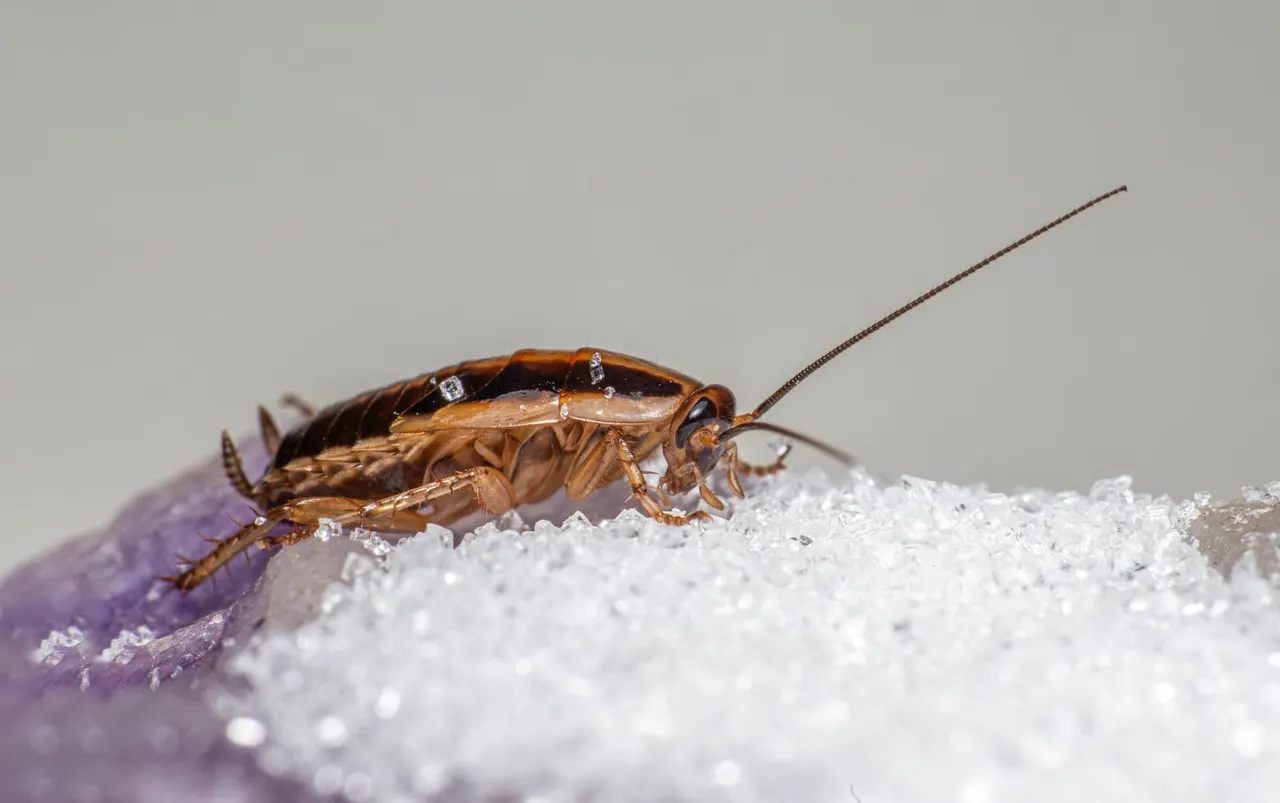
Call Aardvark Motown Pest Control at (313) 879-5917 to discuss insects, rodents, bed bugs, termites, or wildlife at your property. Our regular phone hours are Monday through Friday, 8:00 a.m. to 6:00 p.m.; leave a message outside those hours and include your Detroit neighborhood and the pest activity you noticed. We will respond during business hours.