Focused arrival windows
Useful updates and clear arrival timing.
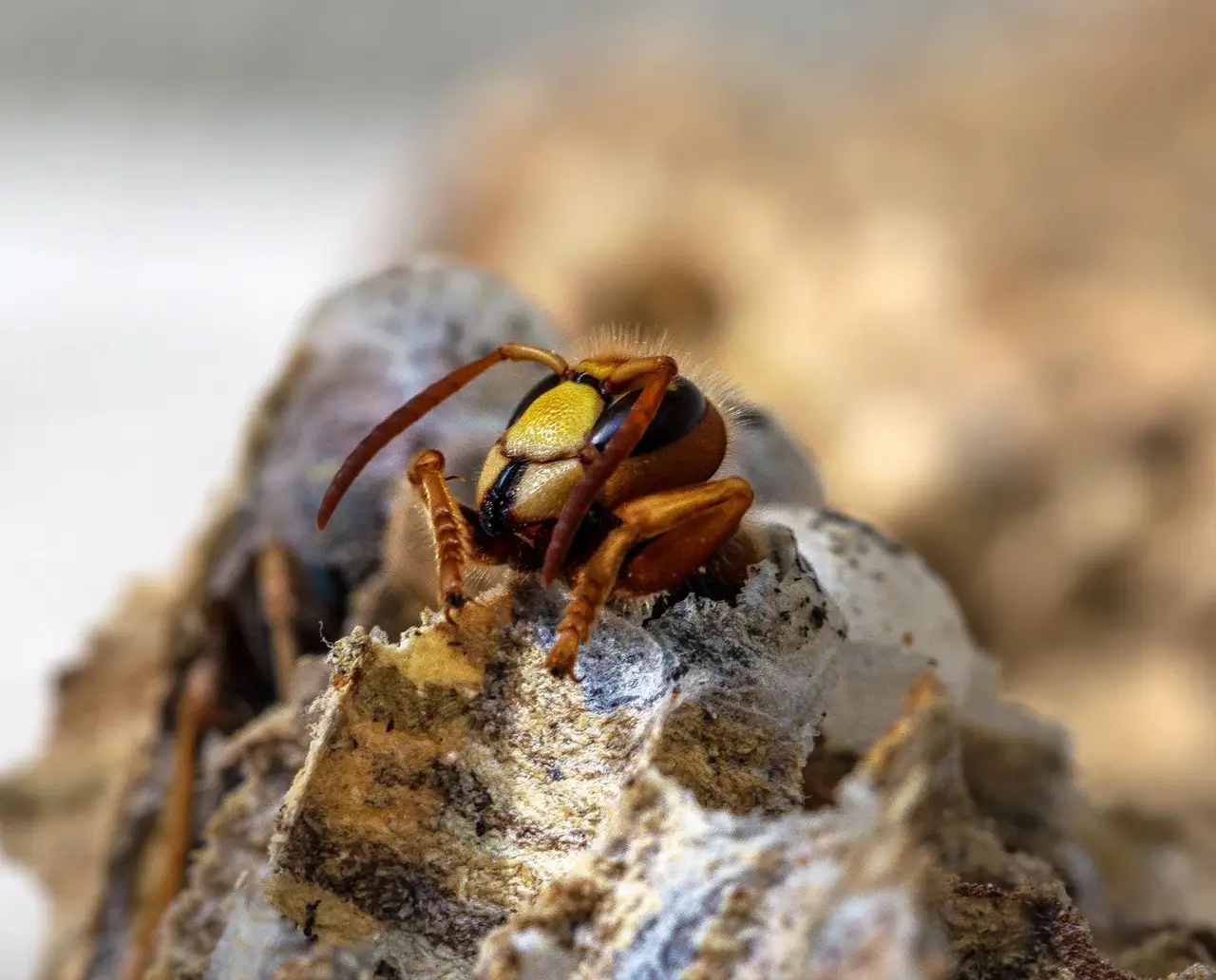
Wasp and Hornet Removal Detroit MI helps homeowners and businesses dealing with active nests, repeated stings, or wasps entering occupied spaces. We inspect the nest location, identify the species and access risks, then choose a targeted treatment and removal plan. Our wasp extermination Detroit service is built around the actual nest, not a broad spray that misses the source. Call Aardvark Motown Pest Control at (313) 879-5917 to discuss the problem.
Useful updates and clear arrival timing.
Review the approach and price before deciding.
Equipped vehicles and respectful cleanup.
Neighbors serving neighbors with follow-through.
Our service covers inspection, nest identification, a treatment plan, and control of the active colony when access allows. We explain any safety perimeter and what you should monitor afterward. Removing accessible nest material may be part of the work; repairs to siding, soffits, or roof trim and extensive opening of a wall are separate building tasks. We'll identify those needs clearly and recommend the practical next step.
We inspect the reported area, trace insect flight, and check likely nesting locations such as eaves, sheds, decks, and ground openings. For concealed activity, we identify the entry point and explain what can be confirmed without opening the structure.
We assess whether the activity appears to involve wasps or hornets and note nest height, exposure, and nearby foot traffic. Those details guide the treatment method and help us plan safe access around doors, patios, and shared walkways.
We apply an appropriate product or method to the active nest in line with label directions. Application depends on the nest location and conditions; we avoid broad fogging when a focused treatment can address the colony more directly.
After the colony is controlled, we remove accessible nest material when the location and conditions allow. A nest inside a wall or other closed cavity may require separate building access or repair, which we explain before additional work is considered.
We tell you which area to avoid during treatment and when to resume normal use based on the work performed. You'll also know what insect activity to observe over the following 24 to 48 hours and when to call us again.
Share what is happening and receive a clear next step from the local team.
Wasp and Hornet Removal Detroit MI is a stinging-insect control service that locates, treats, and removes active wasp and hornet nests when they threaten people or property. We check eaves, soffits, wall voids, sheds, trees, and ground openings, then select a treatment suited to the species and access. A visible nest is not always the only nest; steady flight paths can reveal hidden activity. We control the colony first, remove accessible nest material when appropriate, and explain any sealing or repair needed to reduce re-entry.
Detroit homes range from older brick houses with deep eaves to newer buildings with sheltered decks, garages, and shared courtyards. In warm months, a nest beside a doorway or children's play area turns routine outdoor use into a sting risk; in November, workers may still be active during mild spells, while exposed colonies decline as temperatures fall. For a wasp and hornet removal near me Detroit MI search, we check where insects enter and whether the nest sits in a wall cavity before choosing treatment.

We ask where you have seen insects, whether anyone has been stung, and which doors or outdoor areas need to remain usable. On arrival, we establish a safe work perimeter and inspect from the ground before approaching the nest. This first assessment usually takes 15 to 30 minutes, depending on the number of activity points.
We trace incoming and outgoing flight paths to distinguish a nearby foraging route from the colony itself. Our inspection covers eaves, soffits, deck cavities, trees, sheds, and ground openings. If wasps disappear into a wall, we map the entry point and explain the access limits before treatment so you understand what the site allows.
We identify likely wasp or hornet behavior and choose an application method for the nest's location. A technician may use an insecticide sprayer, a measured dust application, or a vacuum unit where suitable. We protect nearby people and pets, follow product directions, and avoid fogging an area when a nest-specific approach is more appropriate.
We treat the colony and confirm whether insect activity drops at the entry or nest surface. Most accessible, single-nest visits take about one to three hours, though height, wall access, and multiple colonies change the work time. We tell you when it is safe to use the affected area and what activity to watch for afterward.
Before leaving, we review the treated locations, access points, and any recommended sealing or repair. You receive straightforward guidance on monitoring the flight path over the next 24 to 48 hours. If activity continues, we use that observation to determine whether the nest was concealed, another colony is present, or a follow-up treatment is warranted.
We use controlled application equipment to place product at an accessible nest or entry point. The nozzle and reach are selected for the location, helping keep treatment focused rather than dispersing it across unrelated surfaces.
Where appropriate, a vacuum unit can help remove insects from an accessible area during nest work. Its use depends on nest structure, safety, and the technician's assessment; it is not a substitute for locating the colony.
After active nesting is controlled, exclusion screens can help close suitable openings while allowing intended ventilation. We assess the opening first so a screen does not trap insects inside a cavity or obstruct necessary airflow.
A measured dust application may suit some sheltered voids or narrow entry points. We select the placement based on the nest and label directions, limiting application to the location where it can address the colony.
Lighting and basic inspection tools help us examine eaves, trim, soffits, and other access points from a safe position. We use observed flight activity and visible openings to guide the treatment plan.
We observe where insects enter and leave, then relate that route to nearby trim, roof edges, ground openings, or tree branches. This distinguishes an active nest from insects merely visiting flowers or lights. The result is a treatment location based on evidence rather than guesswork.
We match the application to the nest's species, height, and construction. Exposed paper nests, sheltered cavities, and ground colonies present different access and drift concerns. We follow product label directions and keep people out of the work area until the treatment instructions allow normal use.
We control active insects before removing accessible nest material. Removing a live nest can provoke defensive behavior, so the sequence matters. When the nest is concealed or removal requires opening building materials, we explain the access issue and separate repair work from the pest treatment.
After activity is controlled, we identify practical openings that could support future nesting. Where appropriate, screens or sealants can close the access once the cavity is clear. We do not seal a suspected active nest into a wall; timing and confirmation come first.
We inspect the nest and the entrance's daily traffic, then establish a temporary safe route before treating. The technician checks whether the nest is accessible and whether wasps are entering a cavity behind the trim. We remove accessible material after control when conditions allow. You get a treated colony and clear directions for using the entrance again. We also point out any opening that could provide a future nesting site.
We trace the flight path from a safe distance, assess the roof-edge access, and plan treatment around staff and patio use. If the colony is concealed, we explain what can be treated at the entry and whether additional access is needed. The affected patio or doorway has a defined safety plan, and staff know what activity to report during the next 24 to 48 hours.
We identify the ground-nest entrance and check nearby walking and mowing routes. Our technician treats the colony with the area kept clear, then explains when to resume yard use. We do not recommend digging, blocking the opening, or applying household chemicals. The family knows which part of the lawn to avoid during treatment and receives practical guidance before using the path again.
We inspect the exterior entry and interior sightings, then determine whether the nest is likely inside a wall void. We select a targeted application for the access point and explain whether opening or repairing the wall is a separate requirement. The manager gets a documented location and treatment plan, while tenants receive clear instructions for avoiding the affected window area.
Wasp and hornet removal in Detroit must account for older masonry homes, wood-framed porches, apartment balconies, and commercial rooflines. In spring and summer, sheltered eaves and deck cavities provide protected nesting sites; by November, cooler weather usually reduces activity, but a mild afternoon can still reveal workers at a nest entrance. We assess current activity rather than assume a colony is inactive based on the calendar. For wasp exterminator Detroit Michigan calls, we consider wind around open roof edges, ladder placement on narrow lots, and shared access in multifamily buildings. A wasp and hornet removal near me Detroit MI request is most useful when you can describe the exact entry point, time of day, and nearby people or pets. We serve Wayne County and work across Detroit's varied building stock, from brick storefronts to older homes with aging soffits. We follow pesticide label directions and establish a safe work area; building repairs or extensive wall opening are handled as separate property work. The aim is direct: locate the colony, control activity, and leave you with clear instructions for the affected area.
Older houses and porch additions can leave sheltered roof edges and trim gaps. We check the flight route carefully when activity clusters near a front entrance or narrow side passage.
Apartments, offices, and shared patios require attention to common access. We plan the work zone so residents or staff do not cross the active flight path.
Garages, gardens, and mature landscaping can conceal nests near driveways or paths. We assess both overhead eaves and ground-level openings before selecting treatment.
Commercial rooflines and busy entrances create access and pedestrian concerns. We identify the nest position and coordinate a clear perimeter around the work area.
Cooling temperatures usually reduce colony activity, but exposed nests and sheltered wall spaces may still have movement during mild periods. We inspect the actual flight pattern and do not assume an active nest is harmless because the season is late.
A colony entering behind wood trim or masonry joints may not be visible from the ground. We trace the route and explain whether targeted treatment is possible through the opening or if building access is needed.
Apartment and commercial properties have repeated foot traffic near doors, patios, and loading areas. We identify a practical perimeter and provide direct instructions so people do not pass close to an active nest during treatment.
A homeowner in Corktown saw steady wasp traffic beneath the porch eave beside the front steps. Three family members were using the back entrance, and the visible comb sat close to a light fixture. The concern was not just the nest itself; the insects crossed the normal path to the only front door.
We traced the flight route, treated the accessible nest, and explained the temporary keep-clear area. The homeowner reported no wasp traffic at the doorway the following day. The visit took about two hours, including inspection and treatment, and we identified a small trim gap for later sealing.
Maintenance: Keep the porch edge visible and check it during warm months, especially around sheltered trim and light fixtures. Seal the identified gap only after activity is confirmed to have stopped; do not close an opening that may still contain insects.
A hornet colony was hanging in a tree beside a driveway in East English Village. The family had parked farther down the street and avoided carrying groceries past the tree. The nest was elevated, with regular activity around the route used by both residents and deliveries.
Our technician assessed ladder access and the flight path, then treated the colony from a controlled work area. The family received instructions to keep clear during treatment and monitor activity for 24 to 48 hours. The driveway was returned to normal use after the advised waiting period.
Maintenance: Trim branches only when the colony is inactive and the work can be done safely. Check trees near driveways each season, and call if a new nest appears; do not knock down a nest with a pole or hose.
Tenants in a Midtown building saw wasps appearing near a window, but no nest was visible outside. Insects repeatedly disappeared behind a joint near the sill. The property manager needed to know whether the activity came from outdoors or a concealed colony before arranging any wall repair.
We traced the exterior entry, assessed the wall access, and treated the identified route using a method suited to the cavity. The manager received a clear explanation of the treatment and the possible need for separate repair if the void required opening. Follow-up monitoring showed reduced activity over the next two days.
Maintenance: Keep the entry area observable and report renewed flight from the same joint. Do not seal the gap until the colony is controlled. If wall materials need opening or repair, arrange that work after the pest inspection establishes the safest sequence.
A nest close to a door, deck, or business entrance can quickly make part of your property difficult to use. If you are wondering how to remove a wasp nest in Detroit MI, the safe first step is to avoid disturbing it and have the colony's location assessed. We focus on the source, access, and immediate people risks.
The visible insects may be only the workers returning to a concealed colony, leaving residents exposed whenever they use the steps or front door. We follow the flight path to the entry point, assess whether the nest is exposed or inside the structure, and apply a method suited to the access. We explain where to keep clear during work. Once activity is controlled, we identify whether a gap needs sealing to discourage another colony.
Vehicles, deliveries, and daily foot traffic pass close to the nest, increasing the chance of disturbing the colony and receiving stings. We inspect the nest height, approach route, and normal driveway use before treatment. Our technician sets a practical work perimeter and targets the colony with suitable equipment. We then explain when the area can return to normal use and what residual insect movement is expected during the next day.
Grass and landscaping can conceal the opening, so someone may disturb the colony while mowing, gardening, or walking through the yard. We locate the opening from a safe distance and assess the surrounding foot traffic. We treat the identified colony using a method suited to ground nesting and tell you which section of the yard to avoid. Do not plug the opening or pour liquid into it before inspection.
Repeated indoor sightings can signal a nest in a wall void or a gap around a window, creating risk for occupants and confusion about where insects enter. We look for a consistent entry route around trim, vents, and exterior joints, then determine whether activity indicates a concealed colony. Treatment is selected for the cavity and access limits. We explain if additional inspection or building repair is needed rather than treating the room alone.
Aardvark Motown Pest Control has served Detroit since 1980, bringing 46 years of pest-control experience to homes and commercial properties. Wasp work demands more than spraying a visible paper nest: our technicians assess species, colony location, height, wind exposure, nearby occupants, and the building opening. We use label-directed methods and take care around occupied spaces. A Michigan Department of Agriculture and Rural Development (MDARD) Pesticide Applicator License is the relevant state credential for pesticide application; we do not publish an unverified license number. We explain the treatment and safety steps in plain language before work starts.

Wasps were going in and out under the porch roof, right beside the front steps. The technician traced the entry, treated the nest, and showed us which section of the porch to avoid. We saw much less activity by the next day and appreciated getting a clear explanation instead of just a quick spray.
We found a hornet nest in a tree close to the driveway and had stopped using that side of the yard. Aardvark checked the flight path, treated the colony, and explained what to watch for over the next day or two. The work area was easy to understand, and we could use the driveway again after the advised waiting period.
A nest appeared beside a shared entry at our building, so residents were walking close to it every day. The technician arranged the work around the entrance, treated the nest, and gave us clear directions for keeping the area clear. The follow-up check helped confirm the activity had stopped.
Most accessible Detroit nest jobs cost about $180-$450 in 2026, with difficult access or multiple nests reaching $850 or more. Price depends on nest height, whether insects are inside a wall, the number of colonies, and the equipment required. We explain the price before treatment. A ground-level paper nest is usually simpler than a concealed colony requiring careful access and follow-up.
The best approach identifies and treats the active colony, then addresses the entry point when practical. Our wasp extermination in Detroit Michigan starts with an inspection of flight paths, nest type, height, and nearby activity. We choose a nest-specific method rather than fogging broadly. If you can safely observe from indoors, tell us where insects enter; do not approach or disturb the nest.
An accessible single-nest visit usually takes one to three hours, while concealed or multiple nests can require longer or a return visit. Inspection often takes 15 to 30 minutes. The timeline depends on ladder access, nest location, and whether the colony is inside a wall. We also explain how long to keep clear and what insect activity to monitor over the next 24 to 48 hours.
Yes, wasps and hornets are commonly encountered around Detroit buildings during the warmer months, especially near sheltered eaves, decks, sheds, and ground openings. Activity usually rises through spring and summer and declines as temperatures cool, though mild November days can still bring movement. If insects repeatedly enter one opening or gather near a doorway, the colony may be nearby and should be assessed without disturbing it.
Not seeing your question? Our local team can help you understand urgency, scheduling and what to expect.
Ask the local team
General Pest Control addresses several recurring pest issues around your Detroit property, while nest removal targets an active stinging-insect colony. If you're seeing ants or spiders along with wasps, we can assess each problem separately and recommend treatments suited to the pest and the affected area.
View serviceRodents can exploit the same exterior gaps that provide shelter or access around eaves and utility lines. Rodent Control focuses on inspection, trapping, and exclusion; wasp work focuses on the active colony. We identify each entry route and keep the different treatment needs clear.
View service
A garage or basement may have mouse activity at the same time a wasp nest develops outside under the eaves. Mice Extermination addresses indoor rodent activity and entry points, while nest removal handles the stinging-insect hazard. Separate inspections help avoid overlooking either issue.
View service
Rat activity can involve burrows, waste, or building access, distinct from a wasp colony but often noticed during an exterior inspection. Rat Removal targets the rodent problem with an appropriate control plan. We keep the work areas and safety instructions specific to each service.
View service
Call Aardvark Motown Pest Control at (313) 879-5917 to discuss insects, rodents, bed bugs, termites, or wildlife at your property. Our regular phone hours are Monday through Friday, 8:00 a.m. to 6:00 p.m.; leave a message outside those hours and include your Detroit neighborhood and the pest activity you noticed. We will respond during business hours.