Focused arrival windows
Useful updates and clear arrival timing.
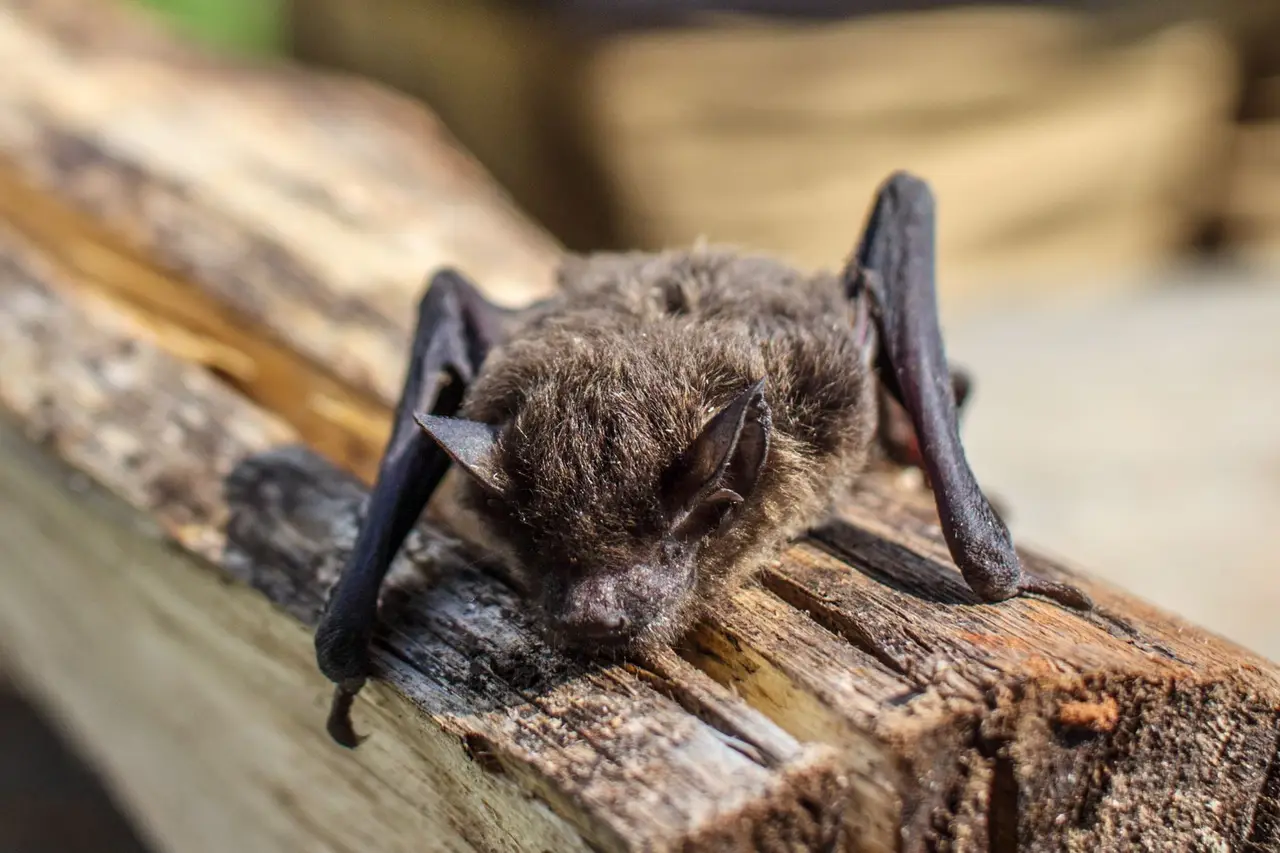
Opossum Removal Detroit MI helps homeowners and property managers address an animal in an attic, crawlspace, garage, or yard without guesswork. Our team checks how it entered, removes or guides it out using an appropriate method, and identifies openings that invite another visit. For opossum control Detroit, we focus on the animal, access route, and practical prevention so you can get back to using your home safely.
Useful updates and clear arrival timing.
Review the approach and price before deciding.
Equipped vehicles and respectful cleanup.
Neighbors serving neighbors with follow-through.
Opossum removal covers identification, a property inspection, a suitable removal or exclusion method, and a review of accessible entry points. We explain any monitoring or repair needs before proceeding. Extensive structural repair, hazardous-material cleanup, and restoration after damage are separate work, because each depends on the area and materials involved. You receive a clear distinction between removing the animal and correcting the building condition that allowed entry.
We inspect the area you identify and nearby accessible routes, including vents, roof edges, garages, decks, and crawlspace doors. Droppings, disturbed material, tracks, and damage help confirm activity. The findings guide the removal approach and help avoid closing a route while an animal remains inside.
We select live trapping or a suitable exclusion method based on the animal's location, access, and signs of denning. Equipment is placed to limit contact with household activity. We explain the setup and any temporary restrictions so you know where people and pets should stay.
After removal, we identify openings that need attention, such as a loose vent cover, damaged screen, or gap beneath a structure. We discuss practical exclusion screens and sealants for the site. Larger construction repairs are identified separately so the animal work is not confused with restoration.
We review the result and tell you what to monitor, including fresh tracks, renewed scratching, or activity around the repaired area. You also receive straightforward guidance on securing garbage and pet food. If equipment requires a later check, we explain the next visit and what you should expect.
Share what is happening and receive a clear next step from the local team.
Opossum Removal Detroit MI is wildlife removal that safely addresses an opossum inside or around a property and reduces the chance of re-entry. Our work starts with locating activity, checking likely den sites, and deciding whether a live trap, exclusion screen, or another lawful method fits the situation. We inspect roof edges, vents, crawlspace access, decks, and outbuildings, then explain the removal and repair steps. If an animal is present, we keep people and pets away from the work area and avoid unnecessary contact.
Detroit's older housing stock, attached garages, porches, and aging soffits create sheltered entry points, while winter cold drives wildlife toward warm, dry spaces. Spring and summer bring denning activity under decks and sheds. We provide opossum removal services Detroit MI residents need when scratching, droppings, overturned bins, or a direct sighting points to an animal on site. If you are searching how to get rid of opossums in Detroit MI, the lasting answer is removal paired with closing the route it used.

Our technician asks where and when you saw or heard the animal, then checks the accessible interior and exterior. We look for droppings, disturbed insulation, tracks, nesting material, and openings around rooflines or foundations. This first inspection usually takes 30 to 60 minutes, depending on access and property size, and gives us a basis for choosing a removal method.
We determine whether the animal is inside, beneath a structure, or only visiting the yard. A live trap or one-way exclusion approach is selected when appropriate, with placement away from normal household activity. We do not use insecticides, rodenticides, or foggers to remove an opossum; those products are not a substitute for a wildlife plan.
We carry out the agreed removal approach and check the area for signs of a second animal or dependent young before closing an opening. The active work can take one to several hours, with timing affected by the animal's location and whether monitoring is needed. You receive clear instructions about keeping pets and people away from equipment.
After the animal is out, we identify practical repairs such as fitting exclusion screens over a vent or sealing an accessible gap. We do not close an opening until we have checked that an animal is not trapped inside. Repair time ranges from about 30 minutes for a simple screen to several hours for damaged or hard-to-reach areas.
Before we finish, we review the removal outcome, the entry route, and any additional cleanup or building repair the site needs. If a trap requires monitoring, we explain the planned check interval and keep the equipment secured. You leave with specific steps for garbage storage, pet supervision, and watching the repaired area for fresh activity.
Used when inspection confirms a suitable location and a controlled capture method is appropriate. We place equipment away from ordinary household traffic and explain the monitoring plan.
Installed over suitable openings after confirming the animal is out. A properly fitted screen can block re-entry through a vent or other accessible gap without closing an occupied space.
Used as an inspection aid when a hidden space is difficult to assess visually. Thermal readings help direct further checks; they do not identify an animal by themselves.
Used only for appropriate cleanup tasks when loose debris needs controlled collection. They are not used to capture or handle an opossum.
Applied to suitable small gaps after removal and inspection. We match the repair material to the opening and avoid sealing a route before checking that the animal has left.
We compare the sighting, tracks, droppings, damage, and location before selecting equipment. Similar sounds can come from squirrels or other animals, so confirming the likely species prevents an unsuitable trap plan. If signs are inconclusive, we inspect additional areas rather than closing a suspected route prematurely.
When conditions support it, we place a live trap in a location connected to current activity and away from routine foot traffic. We explain how the equipment will be monitored and what to do around it. Capture is followed by a check for remaining animals and a review of the entry route.
Where appropriate, an exclusion device lets an animal leave while limiting re-entry. We first check for signs of dependent young and confirm the space can be cleared safely. After activity ends, we remove or secure the device and close the opening with a suitable screen or repair material.
We identify practical conditions that support repeat visits, such as accessible garbage, pet food, brush, or an unprotected vent. Our recommendations focus on the features found at your property. Removing attractants does not replace removal of an animal already inside, but it helps make the site less inviting afterward.
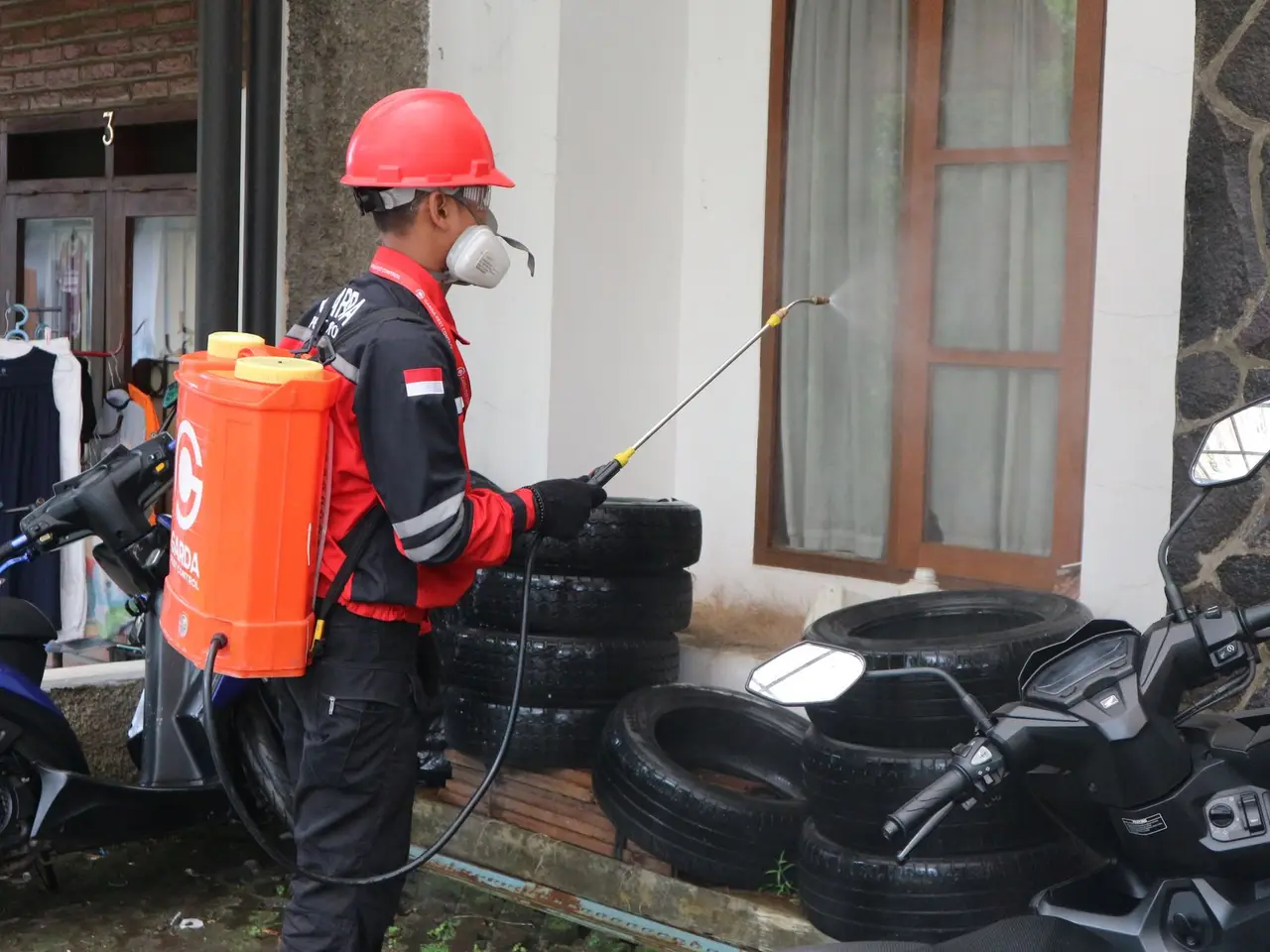
We inspect the accessible attic edge and exterior vent, looking for tracks, waste, and a usable opening. If an opossum is present, we choose a controlled removal or exclusion approach, then check that the space is clear before addressing the entry. You receive guidance on the repair and any follow-up check. The animal is removed without a blind seal-up, and the likely route is identified for repair. You know what signs to watch for after the visit.
We assess the porch perimeter and nearby shelter, then keep people and pets away from the active area while removal is underway. After the animal is out, we review whether a screen or board repair can close the den entrance. We also point out food or debris that could invite repeat visits. The immediate yard hazard is addressed, and you have a practical plan to keep the porch perimeter protected for everyday use.
We inspect the garage interior, door edges, and nearby hiding places to confirm the animal and locate the access route. Equipment is positioned away from household traffic, and we explain any temporary restrictions. Once activity is resolved, we check the door gap and discuss a suitable repair. You regain use of the garage and know whether the side door, refuse storage, or another opening needs attention.
We assess the bin area, nearby structures, and any access into garages or service spaces. Our team distinguishes an animal passing through from one denning on site and plans removal accordingly. We give the manager specific guidance for securing refuse and communicating temporary access limits to residents. The response addresses the animal and the shared conditions drawing it in, reducing disruption for residents and building staff.
Detroit's cold November nights and winter freezes make warm garages, attics, and crawlspaces attractive shelter; activity can also increase around sheltered den sites in spring. Older homes may have aging soffits, porch gaps, or vent covers that need a careful inspection before closure. We adapt opossum control Detroit to the building, whether the animal is beneath a deck in Corktown or near a detached garage in the east side. Our technicians check the route first, choose a controlled removal method, and avoid sealing an opening while wildlife may remain inside. Michigan wildlife rules and safe handling practices guide the work. For opossum removal Detroit MI 24/7, call to report urgent activity and tell us whether the animal is inside, beneath a structure, or outdoors; we will discuss the next practical step. We also serve Wayne County properties, including apartments and commercial buildings where shared refuse areas or loading access can affect the plan.
Porches, rear additions, and detached garages can create sheltered spaces. We inspect beneath accessible steps and around garage doors when residents report repeated activity.
Mixed residential and commercial buildings have roofline vents, service areas, and shared refuse zones. We plan inspection access around occupants and building operations.
Large porches, older exterior details, and mature yards can offer denning cover. We check both the structure and nearby sheltered areas before recommending closure.
Garages, sheds, and closely spaced properties can make a sighting hard to track. We trace signs at the affected property and prioritize the access route in use.
An open garage, attic gap, or crawlspace vent can offer protection from cold and wind. We inspect likely warm, sheltered spaces and take care not to close an opening until the animal's location is known.
Weathered soffits, loose boards, and damaged vent covers may not accept a simple plug. We assess the opening and recommend an appropriate screen or repair that fits the structure rather than relying on temporary loose material.
Accessible garbage near apartments or businesses can draw animals toward buildings and sheltered storage. We identify the nearby attractant as well as any den or entry point, then give property-specific steps for reducing repeat activity.
A homeowner in Corktown heard movement beneath a porch and found the gap partly hidden by loose boards. The family avoided the area, but the animal continued using the sheltered space. No one knew whether the opening led to a larger void, so simply covering it could have trapped wildlife inside.
Our inspection confirmed the active access point and guided a controlled removal. Once the space was clear, the homeowner arranged closure of the opening with a fitted screen. The visit took about three hours, including inspection and equipment placement, and the family had a clear route to monitor afterward.
Maintenance: Keep the porch perimeter clear of loose debris and check the repaired screen monthly for the first three months. Store pet food indoors and secure garbage lids so the area offers less shelter and food.
An opossum was seen near a detached garage in East English Village, where bags and bins had been disturbed. The side door did not sit evenly, and the owner could not tell whether the animal was inside or passing through the yard. Pets were kept away from the building.
We inspected the interior, door edge, and nearby hiding spots, then confirmed the activity was tied to the garage opening. After removal, the owner had a specific repair point and moved refuse into closed containers. The inspection and removal work took roughly two to four hours.
Maintenance: Check the side-door fit after storms and keep bins closed between collection days. If fresh tracks or overturned containers return, note the location and call before the animal finds another sheltered access point.
A Detroit homeowner heard scratching near a roof vent on cold nights and worried an animal was trapped above the ceiling. The vent cover looked loose from the ground, but no one had checked the attic edge. Closing the vent without an inspection risked sealing wildlife inside.
Our technician checked the accessible attic area and exterior vent, then selected a controlled approach based on the signs found. The animal was removed before the opening was secured. The inspection took about 45 minutes, with the complete visit lasting several hours because of roofline access.
Maintenance: Have the vent cover checked seasonally and keep nearby branches from rubbing against the roofline. Watch for renewed scratching or displaced material; report fresh signs promptly rather than sealing another opening.
A single sighting can point to a larger access issue, especially when an opossum repeatedly returns to a porch, garage, or attic. We identify the animal's location and the conditions supporting it, then match removal to the site. This helps you avoid unsafe handling and makes the next repair clear.
Repeated noise may indicate an animal using an attic or roof void for shelter. Delayed inspection can leave waste and disturbed insulation behind. We inspect accessible roofline openings, attic edges, and nearby vents to locate signs and determine whether an opossum is present. Our team removes or excludes the animal with a suitable method, then identifies the route it used. We do not seal the entry until we have checked that the space is clear.
A sheltered den can bring wildlife close to doors, children, and pets, while loose boards make the space harder to inspect. We assess the structure from safe access points, look for tracks and nesting material, and select a controlled removal approach. Once activity is resolved, we explain how to secure the accessible perimeter with an appropriate screen or repair. You receive practical advice about keeping the area clear of food and debris.
Unsecured refuse can attract repeat visits and create a mess near entrances, shared yards, or walkways used by residents. We check the yard and nearby shelter locations to determine whether an opossum is denning or passing through for food. After removal when needed, we identify attractants such as open bins or outdoor pet food. A tightly closed lid and a clear route around the building reduce the reasons for another visit.
An opening around a vent, soffit, or garage can admit more than one animal and allow weather into the building envelope. Our technician traces signs back to the likely opening and checks nearby access points before recommending closure. We use exclusion screens or suitable sealants for accessible gaps after confirming the animal is out. If the opening involves damaged framing or extensive construction, we identify the repair needed so it can be handled correctly.
$180 - $450 for straightforward removal; complex access, monitoring, cleanup, or repairs are priced by scope
Typical 2026 pricing for Detroit opossum removal ranges from $180 to $450 for a straightforward visit; difficult access, monitoring, cleanup, or repairs can raise the total. Opossum removal Detroit pricing reflects the animal's location, the time needed to inspect, and whether an entry point requires work. A yard sighting with no den is different from an attic animal or a porch space with limited access. We explain the price before work begins, so you understand what the removal covers and which repairs are separate.
A useful removal visit identifies the animal, addresses its presence, and pinpoints the route it used. Paying attention to entry and attractants helps prevent repeated visits and avoids closing an opening around wildlife.
A visible yard animal is usually simpler to assess than one inside an attic, crawlspace, or enclosed porch. Tight access can add inspection and setup time, particularly when technicians must check more than one route before selecting a method.
Some situations need a later equipment check rather than a single visit. The animal's activity and the placement location determine the monitoring plan. We explain any additional visit and its cost before proceeding.
A loose vent screen or small accessible gap is different from damaged soffit, framing, or a hard-to-reach opening. Repair materials, height, and the extent of damage affect labor. We identify the repair need separately from the removal work.
Waste or nesting debris in a confined space can require additional handling and protective measures. The amount, location, and material affected determine the cleanup effort. We assess the condition rather than assuming it is part of every removal.
Signs in more than one structure or a property with several possible entry points take longer to assess. A broader inspection can help distinguish an opossum route from unrelated pest activity and avoid spending time on the wrong opening.

Aardvark Motown Pest Control has served Detroit since 1980, bringing 46 years of local pest and wildlife work to homes and commercial properties. Opossum jobs require more than setting equipment: the technician must distinguish a visit from an active den, identify a usable entry route, and avoid sealing an animal inside. Our team applies safe handling practices, follows applicable wildlife requirements, and treats each property according to its construction and access. We explain the method before work, then check the opening and surrounding area before calling the job complete.
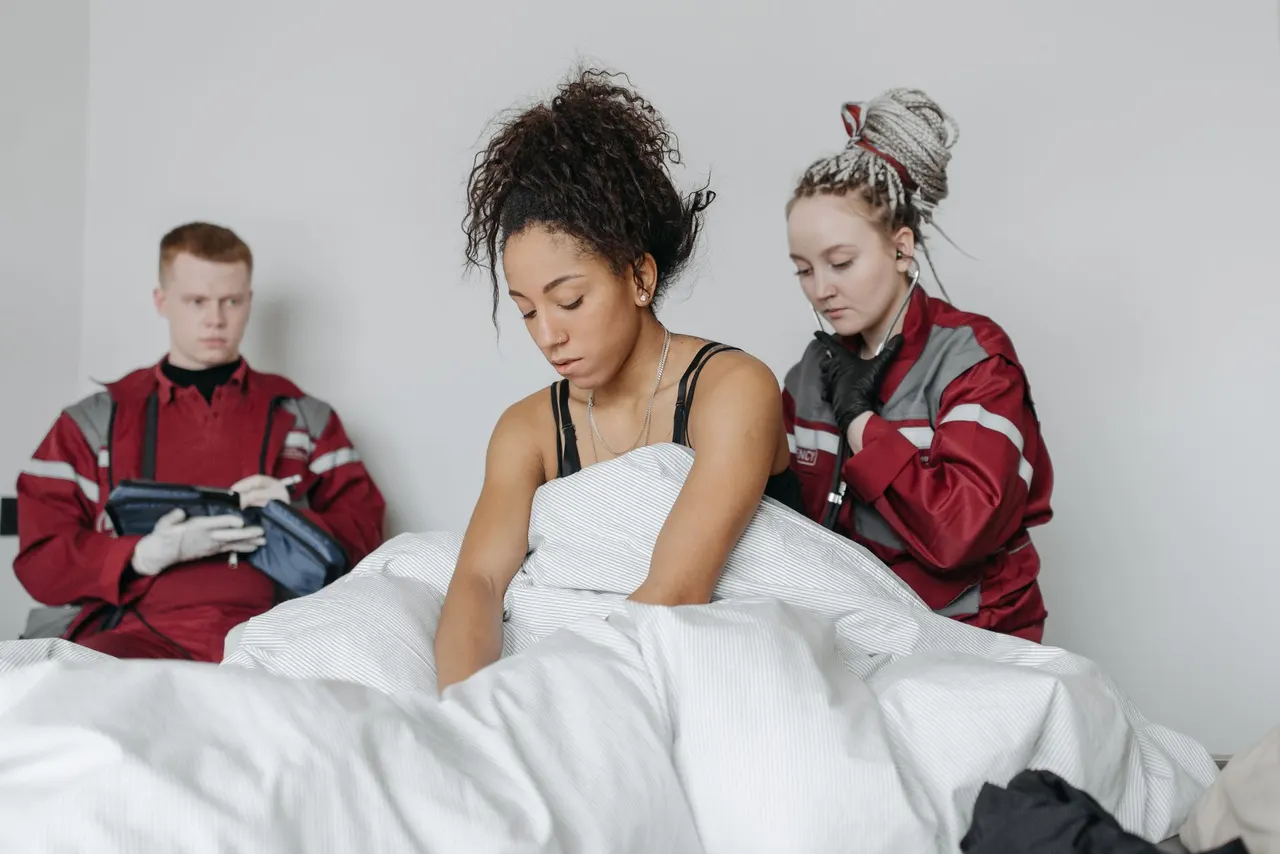
We heard scratching near the back porch for several nights and finally saw an opossum under the steps. The technician checked the porch and garage before setting a live trap, then showed us the loose panel it had been using. The animal was removed, and we knew exactly what needed repair. The visit took a few hours and was easy to follow.
An opossum had gotten into our detached garage and knocked over bags beside the bins. The crew checked the corners, kept our dog inside, and explained where to watch for activity. They also pointed out a gap near the side door. We appreciated getting a clear removal plan instead of someone simply setting equipment and leaving.
We had reports of movement above a small apartment building's rear entry. The technician inspected the roofline and vent area, confirmed the likely route, and coordinated access with us. The animal was removed and the opening was addressed afterward. The practical notes about refuse storage helped us reduce the same conditions around the building.
Opossum removal in Detroit often costs $180 to $450 for a straightforward visit, with difficult access, monitoring, or repairs increasing the total. Typical 2026 pricing depends on whether the animal is inside a structure, how many openings need attention, and whether cleanup is needed. We inspect the problem and explain the price before work begins. A simple yard sighting is different from an animal in an attic or a den beneath a deck.
The best approach is an inspection-led removal that gets the animal out and addresses its entry route. Our team checks the animal's location, signs of denning, and openings before selecting a live trap or exclusion method. We avoid improvised poison use and do not seal an opening until the space has been checked. For opossum removal Detroit MI, the right plan depends on the specific building and whether young may be present.
Remove access to food and shelter first: secure garbage lids, bring pet food indoors, and clear brush or debris near sheds. Do not corner or handle an opossum, and keep pets away from it. If it is denning beneath a porch or entering a building, our technicians inspect the site and plan controlled removal. For opossum removal near me Detroit MI, call us with the animal's location and any recent activity.
A straightforward Detroit removal visit usually takes two to four hours, while monitoring, difficult access, or repairs can extend the job. Inspection commonly takes 30 to 60 minutes, followed by method setup and an entry-point check. If a live trap needs a later check, removal is not necessarily complete on the first visit. We explain the expected sequence based on where the animal is and what the property requires.
Not seeing your question? Our local team can help you understand urgency, scheduling and what to expect.
Ask the local team
An opossum visit addresses wildlife, while recurring insect or rodent activity calls for a separate inspection and plan. Our General Pest Control service checks common indoor and perimeter pests and identifies conditions such as food residue or unsealed gaps. We can help coordinate the appropriate service for your Detroit property.
View service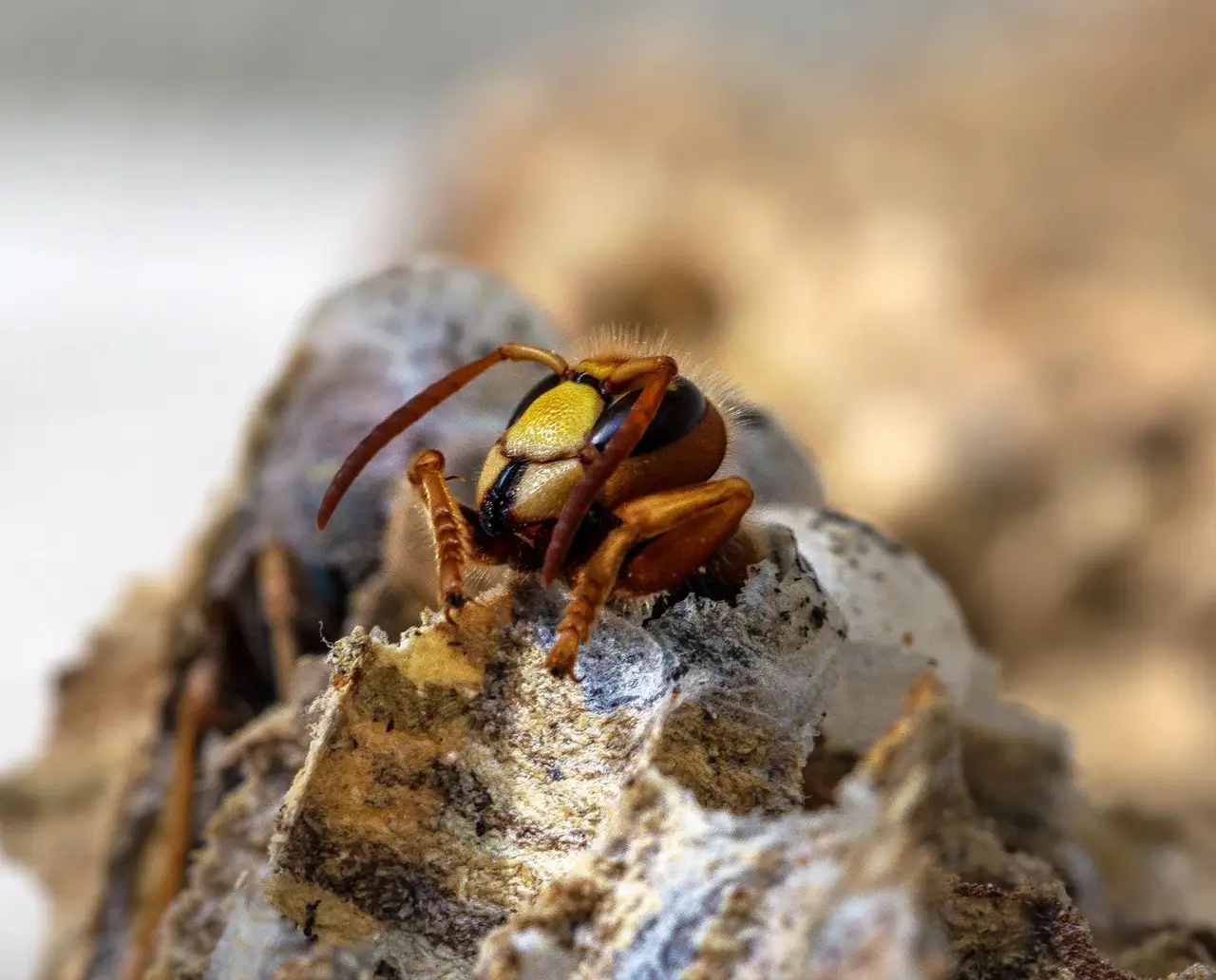
Opossums and rodents can use the same protected areas, but they require different removal methods. If you notice gnawing, droppings, or repeated activity after an opossum is removed, our Rodent Control team inspects for mice or rats and identifies their entry routes. That keeps the follow-up focused on the animal actually present.
View service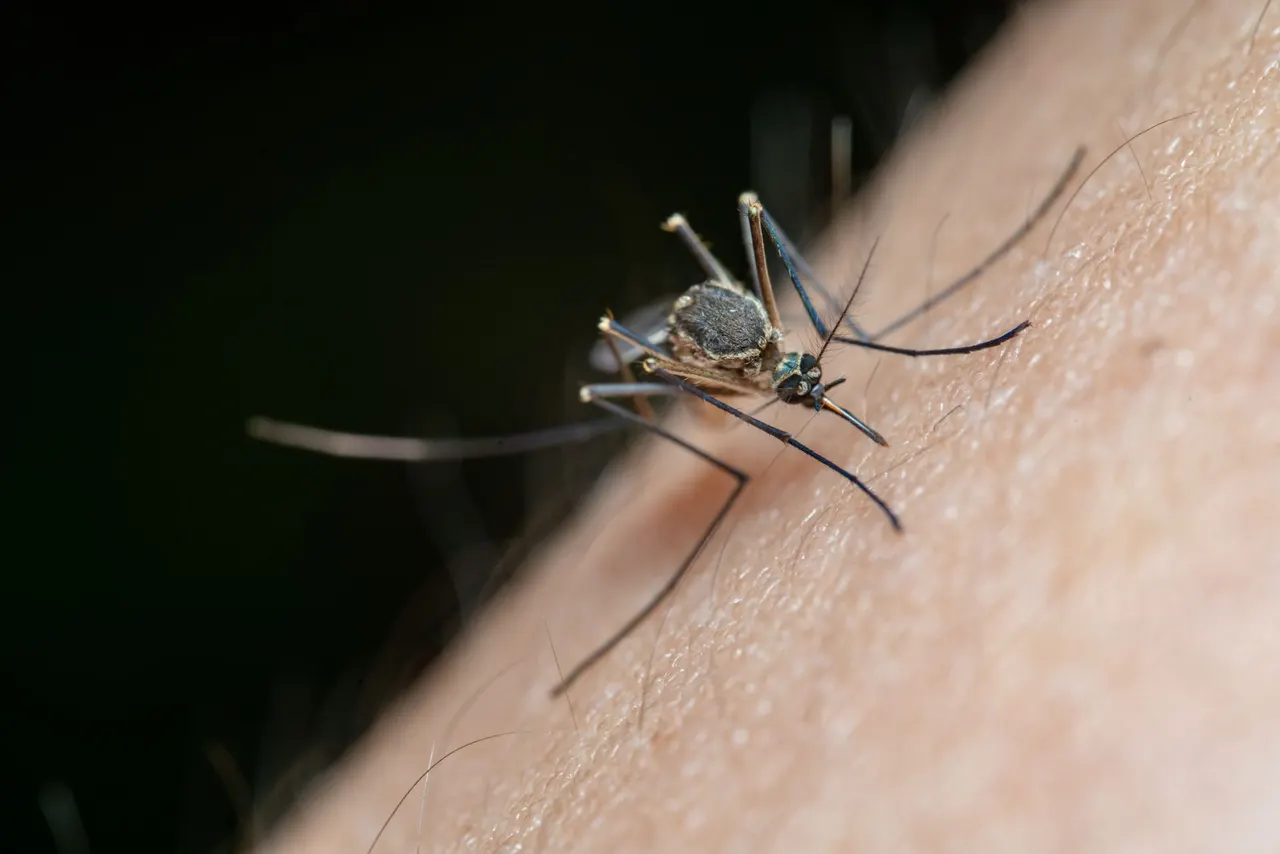
A small animal in an attic is not always an opossum; mouse signs include small droppings and fine gnaw marks. Mice Extermination uses a targeted inspection and appropriate traps, followed by recommendations to close openings. We identify the species before selecting equipment, preventing a wildlife problem from being mistaken for a rodent infestation.
View service
Rats can disturb garbage and occupy spaces near garages, sheds, and foundations, much like other urban wildlife. Rat Removal addresses rat activity with species-specific monitoring and control rather than an opossum trap. If signs overlap, our inspection separates the two problems and directs you to the correct method.
View service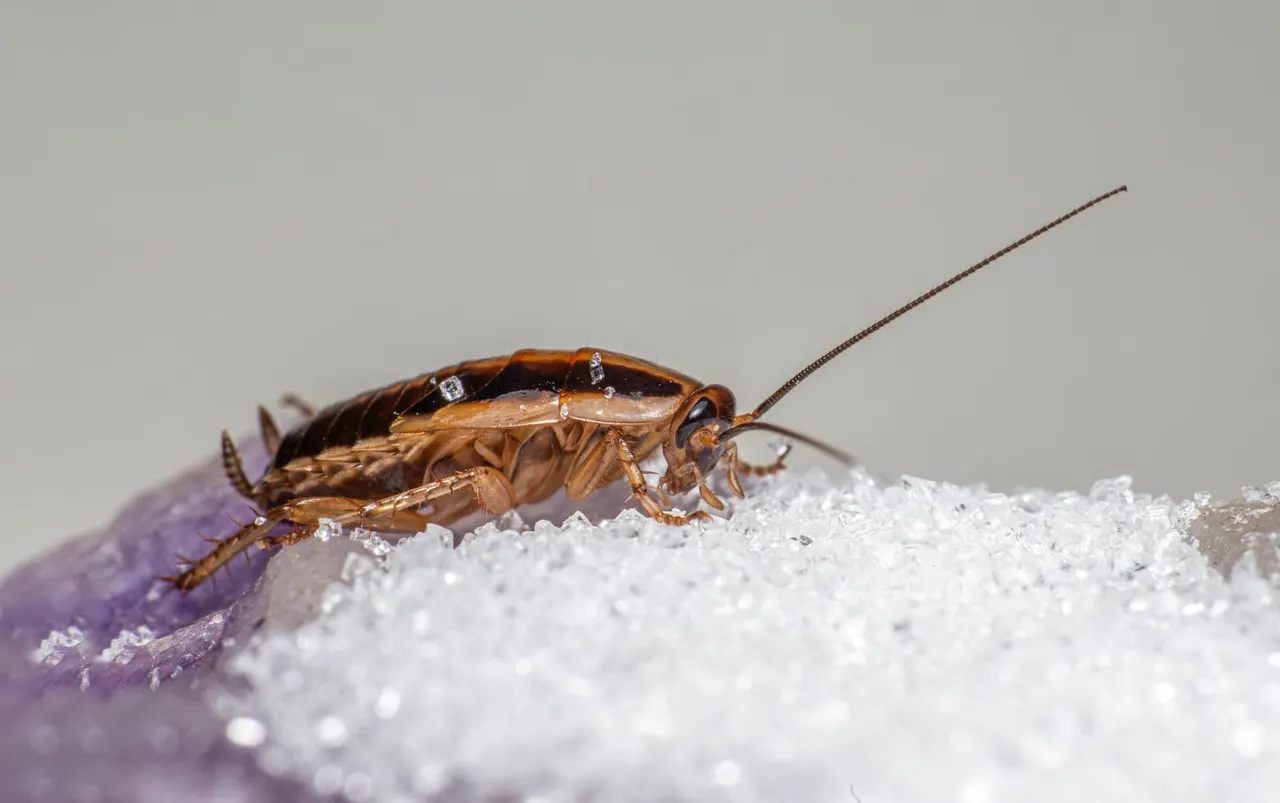
Call Aardvark Motown Pest Control at (313) 879-5917 to discuss insects, rodents, bed bugs, termites, or wildlife at your property. Our regular phone hours are Monday through Friday, 8:00 a.m. to 6:00 p.m.; leave a message outside those hours and include your Detroit neighborhood and the pest activity you noticed. We will respond during business hours.