Focused arrival windows
Useful updates and clear arrival timing.

Office Pest Control in Detroit helps businesses stop pest activity before it disrupts staff, damages stored materials, or unsettles visitors. We inspect offices, break rooms, storage areas, and entry points, then match treatment to the pest and building. Our office extermination Detroit service is built for property managers, professional suites, and multi-floor workplaces that need a clear plan, careful application, and practical prevention in Michigan.
Useful updates and clear arrival timing.
Review the approach and price before deciding.
Equipped vehicles and respectful cleanup.
Neighbors serving neighbors with follow-through.
Your office visit includes a site inspection, pest identification, targeted treatment recommendations, and clear prevention steps for staff or maintenance. We focus on the reported issue and nearby conditions that support it. Additional work for termites, wildlife, extensive infestation, or structural repairs is planned separately when the inspection shows those needs.
We check reported rooms, food and waste areas, utility penetrations, doors, and accessible exterior edges. The inspection looks for live pests, droppings, tracks, damage, moisture, and entry gaps. You receive a practical account of the findings and the locations that need attention.
We choose measures according to the identified pest and the rooms involved. Options can include secured baits, traps, monitors, or targeted insecticide application. We take account of employees, food areas, electronics, and the product label when selecting placement and explaining precautions.
For recurring or uncertain activity, we place monitoring devices at likely travel routes and inspection points. Follow-up findings help distinguish an isolated sighting from ongoing pressure. Your site contact knows where devices are placed and what signs should be reported before the next visit.
We identify practical steps such as sealing pipe gaps, improving door sweeps, cleaning food residue, and correcting water leaks. Recommendations are tied to what we observed, so maintenance staff can prioritize the most relevant repairs instead of receiving a generic checklist.
Share what is happening and receive a clear next step from the local team.
Office Pest Control in Detroit is a commercial pest management service that identifies, treats, and helps prevent pest activity in workplaces. We check kitchens, waste rooms, utility penetrations, loading areas, ceiling voids, and exterior access points, then document signs such as droppings, gnawing, live insects, and damaged packaging. Treatment may use monitored bait stations, glue boards, targeted baits, traps, or labeled insecticides according to the pest and site conditions. The aim is to resolve the active problem while limiting disruption to employees and protecting sensitive work areas.
Older masonry buildings, shared service corridors, dense restaurant blocks, and seasonal temperature swings give pests several routes into Detroit workplaces. A rodent infestation can follow utility lines into a basement, while cockroaches can persist near warm appliances and moisture. We provide office pest control services Detroit MI businesses can coordinate around opening hours, cleaning routines, and tenant access. If you searched for office pest control near me Detroit MI, we inspect the evidence first and explain the next practical steps.
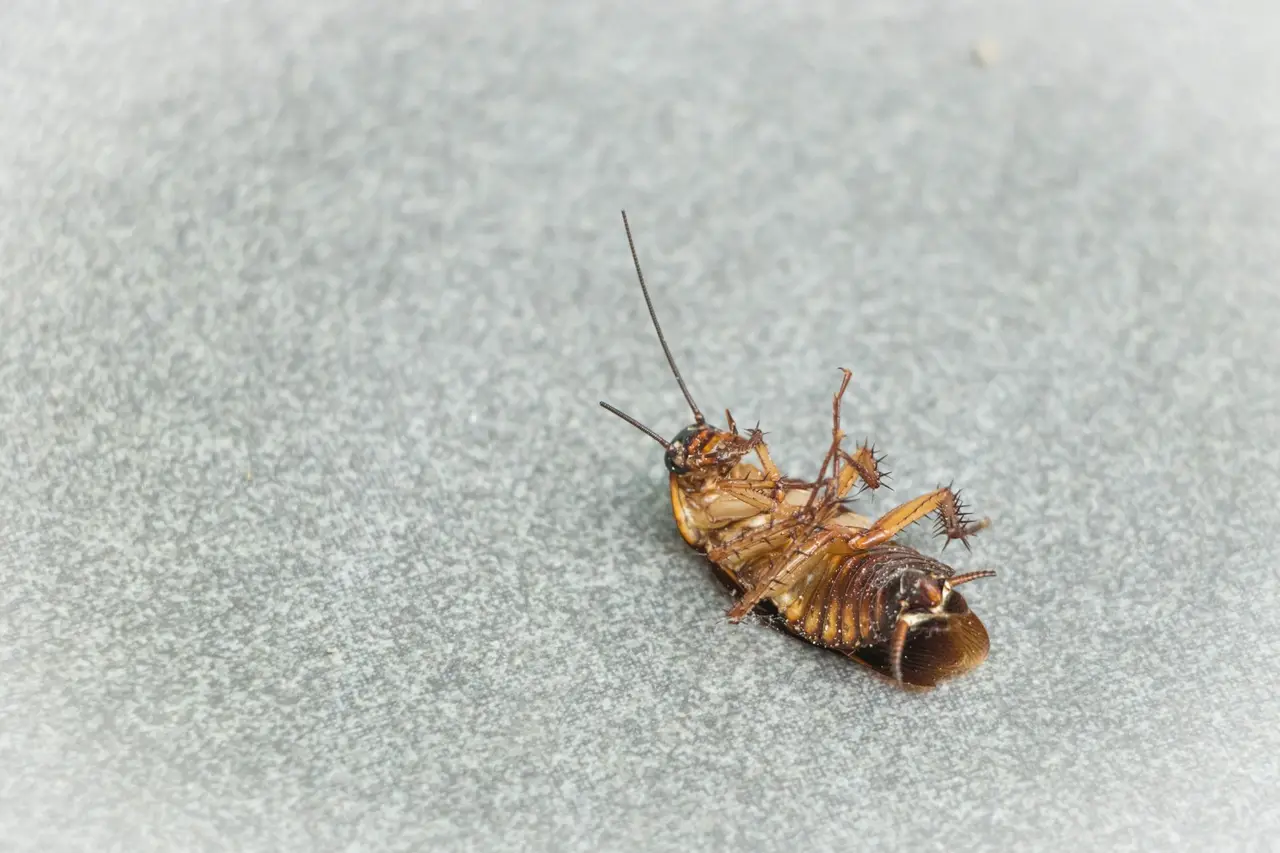
We speak with your site contact about the pest, where it was seen, operating hours, and any sensitive rooms. You can point out reports from staff, recent deliveries, or maintenance work. We agree on access for kitchens, storage, and utility areas so the inspection covers likely travel routes without interrupting normal operations.
Our technician checks interior and exterior evidence, including droppings, insect activity, moisture, food sources, and openings. We inspect beneath sinks, behind appliances, around receiving doors, and along wall-floor junctions. A typical single-suite inspection takes 45 to 90 minutes; larger sites require a broader route and more documentation.
We identify the pest and show you the areas driving activity before selecting a treatment. The plan may combine monitoring, secured baits, traps, targeted application, and recommendations for sanitation or exclusion. You receive straightforward instructions about access, food handling, and any required drying or re-entry period for treated spaces.
We apply the selected measures where evidence supports them, rather than treating every room by default. Depending on the issue, this may include bait stations, glue boards, snap traps, or a focused application of labeled insecticide. We take care around computers, files, food-contact surfaces, and occupied work areas.
Before leaving, we explain what we treated, what signs to watch for, and what your team should change. Follow-up timing depends on pest pressure; rodent monitors are often reviewed within 1 to 3 weeks. We use that check to assess activity, adjust placements, and reinforce exclusion or housekeeping steps.

Secured bait stations monitor or control rodent activity along identified travel routes. We place them where staff cannot casually move them and record their locations for follow-up.
Glue boards help monitor insect or rodent activity in selected areas and reveal movement patterns. We position them discreetly near suspected routes, away from routine foot traffic.
Snap traps provide a direct control option for rodent activity where placement is appropriate. We use them in mapped locations and explain how employees should avoid disturbing the equipment.
Thermal imaging cameras can help inspect temperature differences in concealed or hard-to-view areas during suitable investigations. They supplement visual evidence; they do not identify a pest on their own.
Exclusion screens help block suitable openings while allowing intended ventilation. We identify where a screen or other barrier may prevent pests from using building openings as access routes.
We combine inspection, monitoring, targeted treatment, sanitation, and exclusion rather than relying on a single product. The approach addresses the pest and the conditions supporting it. We document findings so your office contact can track activity and building corrections between visits.
Treatment is applied to identified areas and according to product-label directions. We consider occupancy, sensitive equipment, food surfaces, and ventilation before selecting placement. You receive any required preparation, drying, or re-entry instructions for the product and treatment location.
We use evidence such as droppings, gnaw marks, and monitor activity to map rodent movement. Devices are placed along likely routes, then checked to assess whether activity has shifted or stopped. This informs adjustments and highlights areas where sealing or housekeeping is needed.
We identify openings, food sources, water, and clutter that support pests. Recommendations may include sealing pipe gaps, improving door closure, removing standing water, or changing waste handling. These corrections support treatment and help reduce the chance that pests return through the same route.
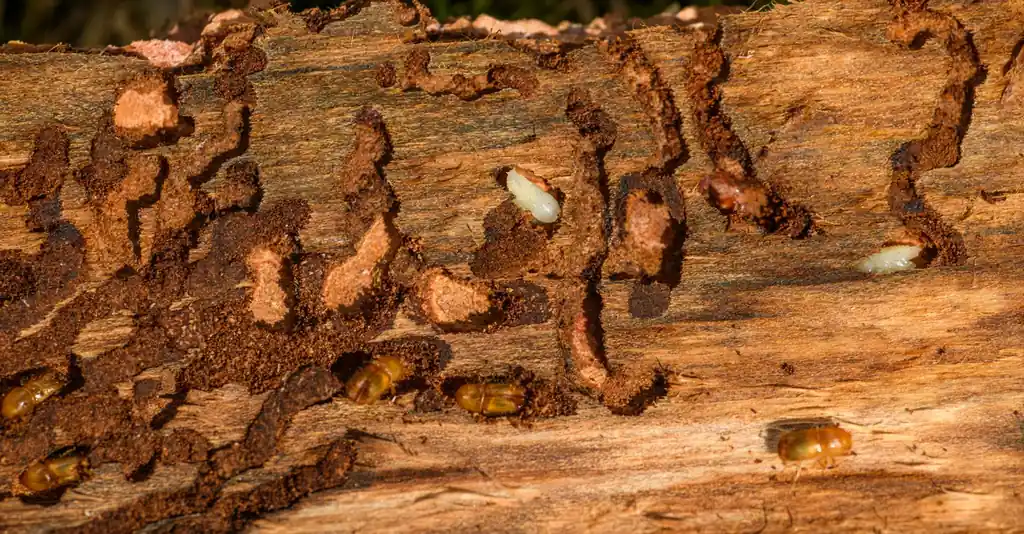
We inspect storage edges, pipe routes, and access points between the basement and upper floors. Our technician maps signs and places suitable monitoring or traps. We also identify stored food, clutter, and openings that make the room easier for rodents to use. You get a defined monitoring plan and a prioritized list of repairs. Staff know which areas to avoid and what evidence to report.
We trace the trail, inspect window frames and wall edges, and look for moisture or exterior access. Treatment targets the active route, while we explain what to clean and what sealant work may help. Your site contact receives the findings for maintenance follow-through. The trail is addressed at its source, and staff have practical steps for keeping food residue and moisture from sustaining activity.
We inspect the appliance gap, sink cabinet, and nearby service penetrations, then coordinate access with the building contact. Targeted baits or other suitable controls are placed where evidence supports them. We recommend a follow-up check to assess monitoring results and connected areas. The response focuses on the shared source instead of treating unrelated suites. The property manager can coordinate cleaning and repairs with the affected tenants.
We assess the nest location, pedestrian traffic, and access conditions before planning removal. The affected entrance can be managed as a work zone while treatment takes place. We also check nearby exterior fixtures for other activity that could affect staff movement. Employees and visitors are directed away from the immediate hazard during service. The building contact receives guidance on monitoring the area afterward.
Office pest control services Detroit MI businesses need often involve connected building systems, older masonry, shared basements, and busy receiving areas. In winter, rodents seek protected indoor routes; in warmer months, ants and other insects become more active around food, moisture, and exterior openings. We inspect the building as a working site, including waste rooms, loading doors, pipe penetrations, and shared kitchens, then coordinate with your property contact. Office extermination Detroit MI visits are planned around occupancy and access, with treatment instructions suited to the product and room. We serve workplaces throughout Wayne County, including ZIP areas 48202, 48206, and 48208. For an urgent report, tell us which floor and room are affected, whether food is present, and when staff can provide access. That information helps us focus the visit on the source and keep the work area controlled.
Multi-tenant towers and shared service areas call for coordinated inspections. We check loading routes, waste rooms, and common kitchens alongside the reported office.
Mixed-use blocks can connect offices to restaurants and residences. We look closely at shared walls, utility penetrations, and food or waste areas.
Older commercial buildings may have masonry gaps and basement access points. We inspect those openings while tracing activity inside the workplace.
Delivery traffic and nearby food handling make receiving and storage areas important inspection points. We coordinate treatment around active business hours.
When outdoor temperatures fall, offices may notice fresh droppings near boilers, storage, or pipe openings. We check the route between those areas and occupied rooms, then combine monitoring with recommendations to seal access and protect stored supplies.
Pests can move through gaps around conduits, drains, and connected tenant spaces. We inspect accessible penetrations and coordinate with building contacts when a route crosses a shared area, so treatment and repairs address the same pathway.
Leaking sinks, bins, and outdoor standing water can support ants, cockroaches, or mosquitoes. We identify the source during inspection and give your staff or maintenance team specific cleanup and repair actions alongside any targeted treatment.
Staff at a Downtown Detroit office found droppings beneath the sink and along a cabinet toe-kick. The cleaning crew removed visible signs, but fresh evidence returned within days. A gap around the plumbing line and an open dry-food container gave mice both a route and a reliable food source.
We mapped the signs, placed two monitoring points near the travel route, and identified the pipe gap for sealing. At the follow-up check 14 days later, the contact reported no new droppings in the treated room. The office also moved dry food into sealed containers.
Maintenance: Keep food sealed, remove crumbs at closing, and check the pipe repair for gaps. Report new droppings or gnaw marks promptly so we can assess whether activity has resumed.
A shared Midtown kitchen had repeated cockroach sightings beside a warm refrigerator and beneath the sink. Staff were cleaning visible surfaces, but water remained under the cabinet and stored cardboard offered hiding places. Neighboring suites used the same kitchen throughout the day.
We inspected the appliance and sink area, placed targeted controls at identified harborages, and recommended removing cardboard and fixing the leak. The property contact arranged a follow-up inspection after 2 weeks. Monitoring then showed reduced activity in the kitchen area.
Maintenance: Keep the cabinet dry, remove stored cardboard, and clean food residue at the end of each shift. The building contact should report renewed signs and maintain access for follow-up monitoring.
An office in Corktown saw ants crossing a reception counter and tracking along a window edge after rainy weather. Employees wiped the trail, but it returned near the same frame. A small exterior gap and spilled sweetened drinks were sustaining activity.
We followed the trail to the window edge, treated the active route with an appropriate method, and pointed out the gap for sealing. Staff adjusted the drink cleanup routine. At the next check 10 days later, the reception contact reported no new trail.
Maintenance: Wipe spills promptly, keep food in sealed containers, and have maintenance seal the identified window gap. Watch the edge for renewed activity after heavy rain and report any trail.
Office pest problems affect more than the room where a pest appears. Our inspection connects sightings to routes, resources, and building defects so the treatment addresses the cause. If you need office extermination in Detroit Michigan, we focus first on identifying the pest and protecting occupied areas.
Droppings can contaminate surfaces, while repeated sightings point to an entry route or food source that remains open. Staff confidence in the shared kitchen also drops. We inspect beneath the sink, around pipe openings, and along adjacent cabinets for droppings and gnawing. We place suitable monitoring or traps and explain safe cleanup. If a gap is present, we identify the repair needed so your maintenance contact can close the route and reduce repeat activity.
Activity can spread into nearby offices through shared walls and service voids, and food residues can sustain it. A quick surface spray alone may miss hiding areas. We inspect appliance gaps, plumbing, and warm, damp harborages, then select a targeted treatment and monitoring plan. We explain food-storage and cleaning steps for the kitchen. If connected suites share the same route, we identify the adjacent areas that should be checked.
Visible trails distract staff and visitors, and repeated activity usually means ants still have access to food, moisture, or a nest route. We trace the trail to its access point, inspect nearby windows and wall edges, and use a control suited to the ant activity. We also identify crumbs, spills, or moisture that may sustain the trail. Your staff receives a simple plan for clearing the route and reporting renewed activity.
Unconfirmed reports can cause unnecessary concern, while a genuine infestation may move through upholstered furniture and personal belongings if ignored. We inspect likely furniture seams, rest areas, and reported locations for signs that distinguish bed bugs from other insects. If evidence is found, we explain preparation and treatment options for the affected space. Your office contact receives clear containment steps to limit movement of items between rooms.
$180-$450 for focused service; $450-$1,500+ for complex or multi-floor work
Typical 2026 office service pricing in Detroit ranges from $180 to $450 for a focused inspection and treatment, with complex or multi-floor work often costing $450 to $1,500 or more. Office extermination Detroit pricing depends on pest type, building size, activity level, access, and follow-up frequency. A targeted visit for a small suite costs less than recurring rodent monitoring across several floors. We inspect the affected areas and explain upfront pricing before work begins, so you can make a decision based on the problem and proposed work.
Targeted treatment and useful monitoring help you avoid paying for applications that do not address the source. Pricing reflects inspection time, treatment needs, access, and follow-up, with the recommended work explained before service.
A single suite with a few affected rooms takes less inspection and treatment time than several floors or a connected office complex. The number of rooms, storage spaces, and shared areas also affects how many monitoring points are useful.
A few ants near one window require a different response from an established cockroach or rodent infestation. Widespread signs, contamination, or concealed activity increase inspection time and may require more than one treatment or follow-up visit.
Locked utility rooms, restricted tenant areas, or after-hours scheduling can affect the time needed to complete service. Sensitive rooms and busy kitchens may also require extra coordination to protect employees and work routines.
Recurring rodent activity often needs devices checked over time, while a limited insect issue may need a focused visit and review. Follow-up frequency is based on evidence and the pest, not a fixed schedule for every office.
Open pipe gaps, damaged door sweeps, leaks, and waste problems can prolong pest activity. Identifying these conditions is part of the service plan; repairs are handled by the appropriate building maintenance contact unless separately arranged.

Aardvark Motown Pest Control has served Detroit for 46 years, with experience addressing pest pressure in offices, retail spaces, and shared commercial buildings. Our technicians inspect the building conditions behind a sighting, then choose methods suited to the pest, occupants, and work schedule. We follow product labels and applicable safety requirements, and we explain treatment and prevention in plain language. Your office gets a documented visit, practical next steps, and a clear point of contact at (313) 879-5917.
We found mouse droppings under the break-room sink and near a supply cabinet. The technician checked both areas, showed us how the mice were getting in around a pipe, and placed monitoring devices where staff would not disturb them. We also got clear cleanup steps. The next check showed less activity, and maintenance sealed the opening.
Several tenants reported small roaches near the shared kitchen. The technician inspected the sink cabinet and appliance area instead of treating every office. We received instructions for food storage and cleaning, and the follow-up checked the monitoring points. The response was organized around our building access schedule and did not interrupt the full workday.
Ants kept appearing along the window in our front office after rainy weather. The technician traced the trail to a gap and a source near the exterior wall, then treated the active route and explained what our maintenance person should seal. We appreciated getting a specific explanation rather than another general spray.
A single-office visit often costs $180 to $450, while extensive or multi-floor work can range from $450 to $1,500 or more. Typical 2026 pricing depends on pest type, square footage, access, severity, and follow-up needs. We assess the affected areas and provide upfront pricing before work begins. Rodent monitoring across several suites costs more than a focused inspection and treatment in one break room.
The best office pest control in Detroit MI starts with a documented inspection and treatment matched to the confirmed pest. We check the source, choose targeted methods, and give you follow-up actions for sanitation and exclusion. Look for a provider that explains product placement and employee precautions clearly. A plan that includes monitoring and building corrections is more useful than a one-time spray with no inspection.
A small office inspection and treatment usually takes 1 to 3 hours; multi-floor buildings can take half a day or longer. Time depends on square footage, pest evidence, access to utility areas, and the treatment selected. We coordinate room access with your contact and explain any product-specific drying or re-entry instructions. Follow-up checks are commonly scheduled within 1 to 3 weeks for active rodent monitoring.
Yes, offices in Detroit Michigan can encounter rodents, ants, cockroaches, bed bugs, and occasional stinging insects, especially near food, moisture, waste, and building openings. Shared walls and service corridors let pests move between suites. Cold-weather shelter seeking can increase indoor rodent signs, while warmer months bring more insect activity. We identify the pest and route before recommending treatment, because different signs require different controls.
Not seeing your question? Our local team can help you understand urgency, scheduling and what to expect.
Ask the local team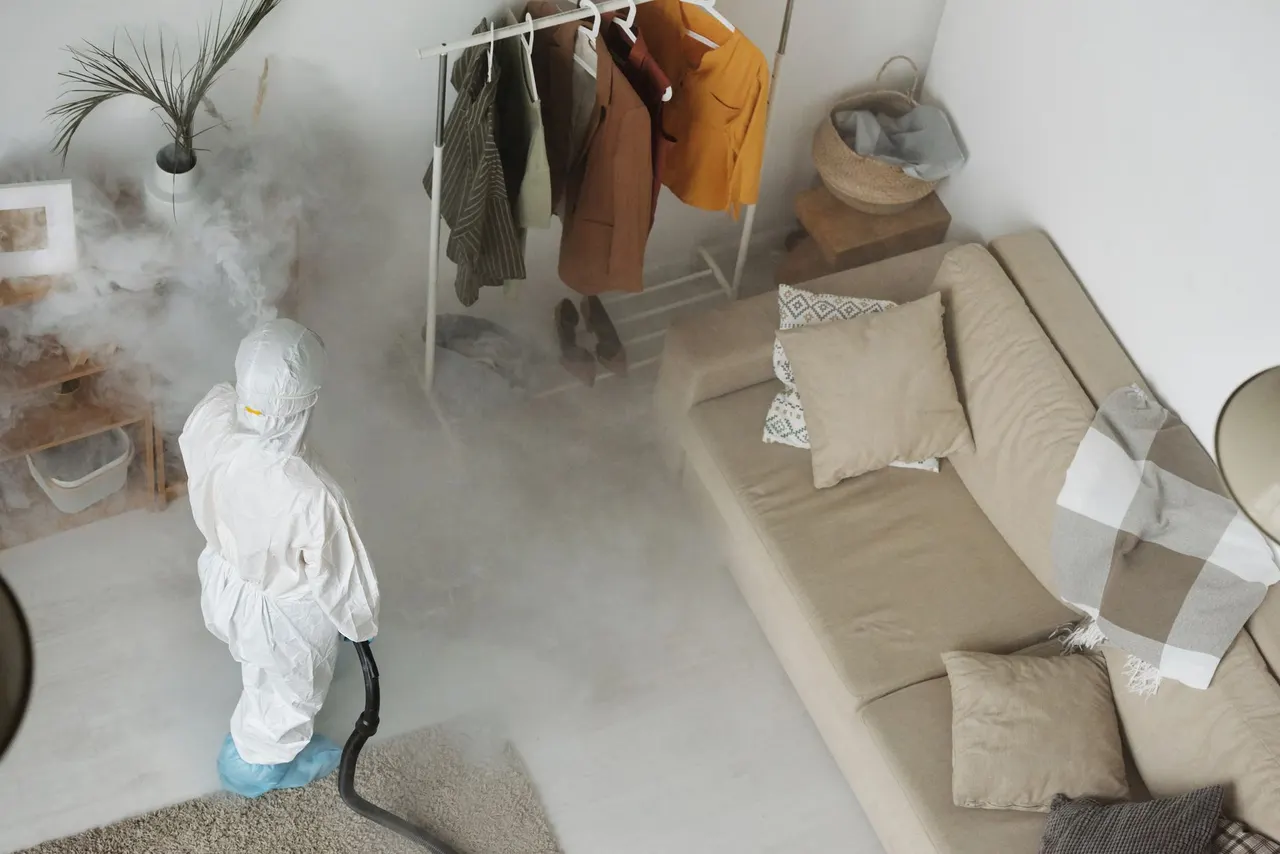
General pest service addresses several common pests around your Detroit workplace, including ants, spiders, and occasional invaders. We inspect the building, identify active concerns, and choose targeted controls. It complements office care when activity is not limited to one pest or one room.
View service
Rodent Control focuses on mice and rats entering through utility gaps, loading doors, and basement openings. We inspect for droppings and gnawing, place appropriate monitoring or traps, and identify exclusion needs. This is useful when office staff report recurring noises or signs in storage.
View service
Mice Extermination targets an active mouse problem inside an office, including break rooms, file storage, and ceiling voids. We locate travel routes and food sources, then select traps or secured bait stations. Sealing access points helps prevent new mice from following the same route.
View service
Rat Removal is appropriate when larger droppings, gnawing, or movement near waste and loading areas indicate rat activity. We inspect the perimeter and interior routes, then set controls suited to the location. Your site contact receives clear guidance on waste storage and entry-point repairs.
View service
Call Aardvark Motown Pest Control at (313) 879-5917 to discuss insects, rodents, bed bugs, termites, or wildlife at your property. Our regular phone hours are Monday through Friday, 8:00 a.m. to 6:00 p.m.; leave a message outside those hours and include your Detroit neighborhood and the pest activity you noticed. We will respond during business hours.