Focused arrival windows
Useful updates and clear arrival timing.
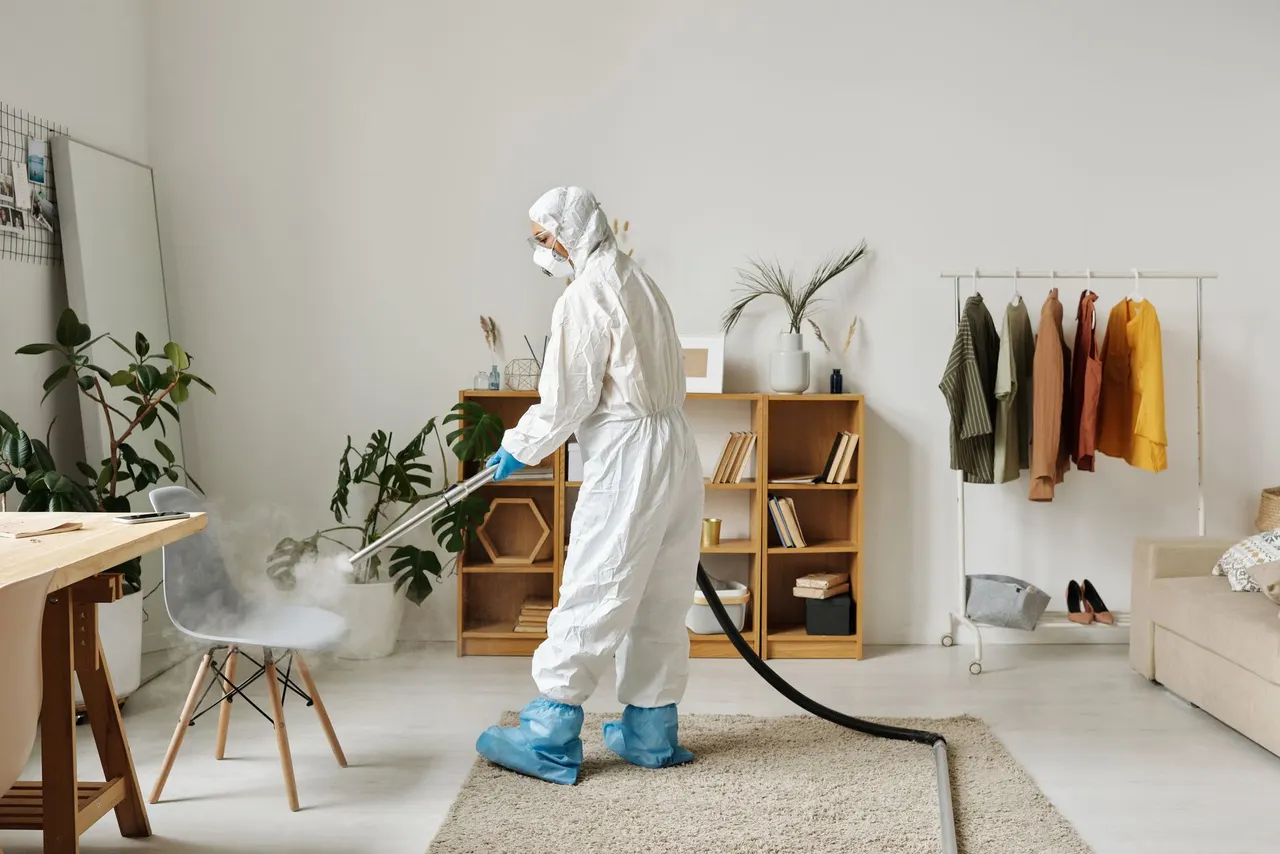
Wildlife Removal Detroit MI helps homeowners and property managers resolve animal intrusions without leaving entry points open for the next visitor. We inspect the attic, roofline, crawlspace, and exterior, identify the animal and access route, then recommend safe removal and exclusion. If scratching, droppings, nesting material, or damage has appeared, our animal control Detroit service addresses the immediate problem and the conditions that let it happen.
Useful updates and clear arrival timing.
Review the approach and price before deciding.
Equipped vehicles and respectful cleanup.
Neighbors serving neighbors with follow-through.
Wildlife service covers inspection, animal identification, a removal plan, and evaluation of the entry route. We also explain exclusion needs and show you accessible problem areas. Extensive insulation replacement, structural carpentry, and major contamination cleanup are separate repair or restoration work, but we identify visible concerns so you can plan the next step.
We check the area where you hear or see activity, then inspect accessible roof edges, vents, soffits, foundation openings, and nearby structures. The goal is to locate the actual route and any secondary gaps. We explain which openings appear active and which need monitoring.
Droppings, tracks, gnawing, nesting material, and timing help identify the animal and how it uses the space. We also consider whether young may be present before choosing a removal approach. Correct identification prevents the wrong method from being used.
We explain the suitable removal sequence for the animal and building, including access needs and expected timing. Depending on the situation, the work may involve controlled removal, monitoring, or a scheduled return. You know what we are doing and what signs matter next.
We identify openings that need a durable closure and discuss materials suited to the location, such as exclusion screens or sealants. We also flag damaged vents or fascia that need repair. Closing the route is central to reducing repeat intrusion.
Before we finish, we review the affected area and summarize the work completed, the entry points found, and signs to watch for. If cleanup or a building repair is needed, we explain what was visible so you can make an informed plan.
Share what is happening and receive a clear next step from the local team.
Wildlife Removal Detroit MI is a property protection service that identifies, removes, and excludes wild animals when they enter homes or buildings. We inspect the suspected route, look for nesting or young, and choose a removal method suited to the animal and structure. After removal, we close accessible gaps with durable materials such as exclusion screens and sealants, then explain any repair or sanitation work needed. A raccoon in an attic, squirrels beneath a soffit, and bats using a roof gap call for different handling, so identification comes before action.
Detroit's older homes, detached garages, mature trees, and connected rooflines give raccoons, squirrels, bats, and opossums access to sheltered spaces. In cold weather, animals seek warm attics and wall voids; spring nesting can make an opening more active and sensitive to disturbance. We provide wildlife removal services Detroit MI property owners can use for a single entry or a recurring intrusion, including inspection, removal planning, and exclusion. If you searched wildlife removal near me Detroit MI, tell us what you hear, where it occurs, and when it started.
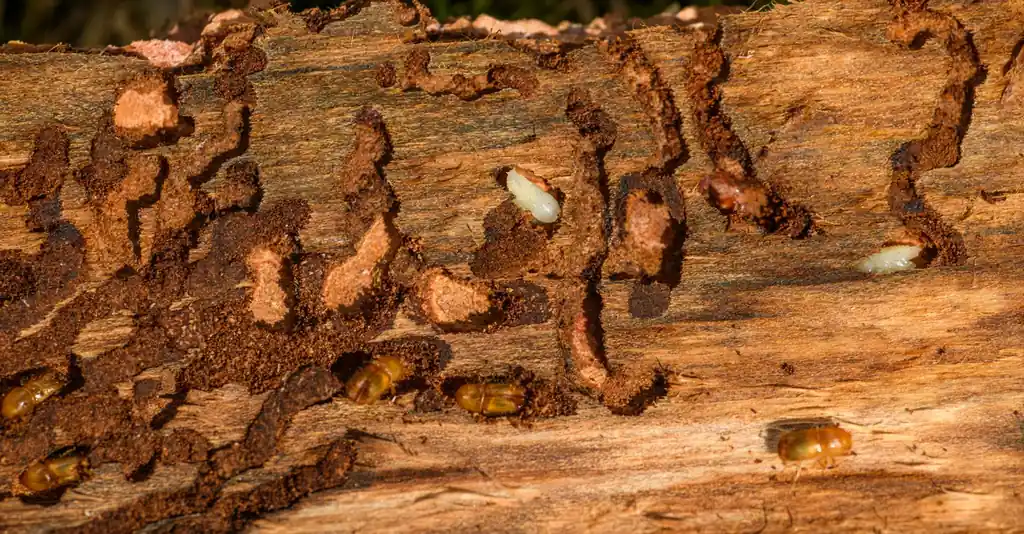
We ask where you hear movement, when it happens, and whether you have seen an animal or damage. You can point out droppings, disturbed insulation, gnawing, or a loose vent. This first review usually takes 10 to 20 minutes and helps us focus the inspection instead of disturbing unrelated parts of your home.
We inspect the affected room and accessible exterior areas, including roof edges, vents, soffits, and foundation openings. Thermal imaging cameras can help locate temperature differences behind a finished surface, but physical evidence still guides the diagnosis. Most straightforward inspections take 30 to 60 minutes; extensive rooflines or multiple structures take longer.
We determine the likely species, entry route, and whether signs suggest nesting or repeated use. Then we walk you through the proposed removal and exclusion steps, including any access needed inside or outside. Wildlife control Detroit MI work is not one-size-fits-all: a bat, raccoon, and squirrel each require a different plan.
We use a method appropriate to the animal and the building, taking care not to trap an animal inside a wall or leave dependent young behind. A straightforward removal may take two to four hours, while a difficult attic or multi-animal situation can require a return visit. We keep you informed as the work proceeds.
After removal, we address the identified opening with a suitable exclusion method and check nearby vulnerable points. We show you the completed work and explain what to monitor over the next 48 hours. If noise continues or fresh signs appear, contact us with the location and time so we can assess the next step.
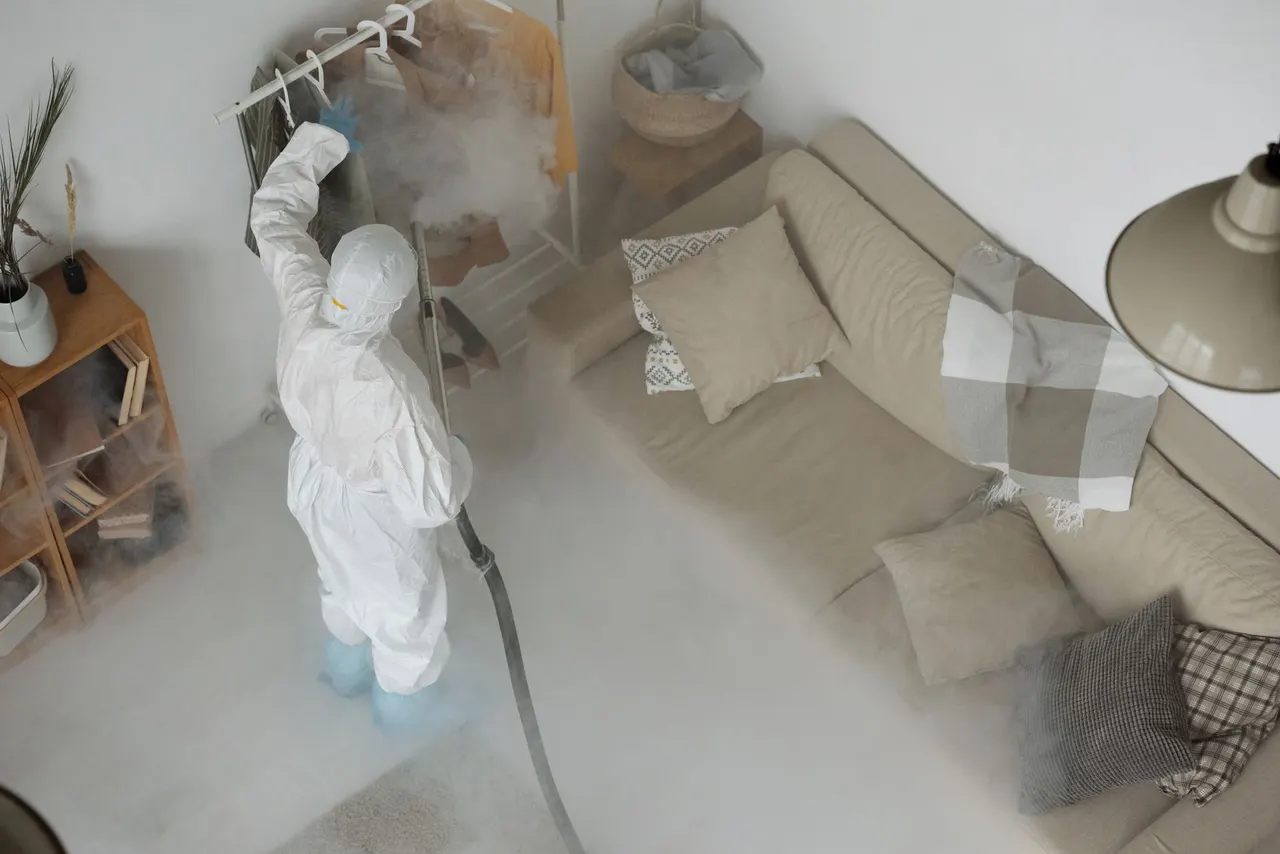
We use thermal imaging cameras to check for temperature differences that may help locate activity behind accessible finished surfaces. Readings guide the inspection; we confirm findings with physical evidence before recommending work.
Where appropriate for the animal and situation, live traps can support controlled removal. We select placement based on signs and access, then explain monitoring and follow-up so the animal is not left unattended.
Exclusion screens cover suitable openings while allowing necessary ventilation. We use them where the structure and entry point support a secure fit, and identify repairs needed when a vent or roof component is damaged.
Sealants close small gaps after removal when the surface and opening are suitable. We assess the material and location first; larger damage or moving components need proper repair rather than a bead of sealant alone.
Vacuum units can assist with contained cleanup of loose debris in accessible areas. Cleanup needs depend on the extent and type of contamination, and we identify when damaged insulation or broader restoration requires additional work.
We use noise timing, droppings, tracks, gnaw marks, and entry dimensions to identify the likely animal before selecting equipment. A raccoon, squirrel, bat, and opossum do not use the same routes or call for the same handling. This step keeps removal matched to the evidence.
We choose a removal approach based on access, animal behavior, and signs of nesting. When monitoring is needed, we explain how the setup works and what changes indicate activity. We do not close a suspected active opening without considering whether an animal remains inside.
After removal, we secure identified access points with suitable materials and check nearby vulnerabilities. A screen, sealant, or repair is selected for the opening rather than applied uniformly. We review the finished area with you and explain any remaining building repair needs.
We consider ladder access, attic conditions, wiring exposure, and the condition of affected materials before work. Where pest-control products are relevant, we follow label directions and applicable safety requirements. Wildlife removal focuses first on identification, physical removal, and exclusion.
Call us with the room location and time of activity. We inspect the attic access and exterior roofline, identify likely entry points, and check whether the animal is still inside. We then explain the removal and exclusion plan before starting work. You know what animal is likely present, how it entered, and which opening needs attention, rather than sealing a gap blindly.
We assess the damaged vent and nearby roof edges, look for signs of nesting, and plan controlled removal. After activity is resolved, we identify the repair needed to restore the vent and close other accessible routes. The animal issue is addressed alongside the damaged access point, reducing the chance of another raccoon using the same route.
We coordinate access to the affected space, inspect the roofline and attic area, and document signs that distinguish wildlife from rodents. We explain the work sequence and identify any building openings that need maintenance attention. The manager gets a clear location for the activity, a removal plan, and specific entry points to share with the maintenance team.
We inspect the roofline, eaves, and vent openings where branches meet the building. After confirming the likely route, we plan removal and recommend appropriate exclusion or repairs. We also point out nearby gaps that could provide an alternate entrance. You get a targeted response to the squirrel activity and a practical list of roofline vulnerabilities to address.
Detroit's building mix changes the inspection. Older brick homes may have aging soffits, roof additions, or gaps around vents; detached garages and porch roofs create sheltered routes close to the main structure. We inspect the animal's access from both sides where possible, then match the removal plan to the building and species. Winter cold pushes animals toward warm attics and wall spaces, while spring nesting changes how openings must be handled. In Wayne County, we also consider mature trees, alley-facing garages, and closely spaced homes where an animal can move between structures. Our wildlife control Detroit MI service checks for secondary access points before exclusion. If you need animal control in Detroit Michigan, give us the neighborhood, type of building, and time the activity occurs. That detail helps us focus the inspection and plan safe access. We serve Detroit, MI, including older residential blocks and commercial properties, and explain any visible repair needs after the animal is removed.
Older homes and roof additions can leave several transitions to inspect. We check fascia, soffits, and vent edges when scratching or attic activity is reported.
Mature trees and large rooflines can give squirrels and raccoons access to eaves. We inspect both the likely branch route and nearby openings.
Apartments and shared buildings can make access coordination important. We focus on the reported ceiling or roof area and identify whether the route affects common space.
Garages, sheds, and closely spaced structures may provide sheltered routes. We inspect the affected building and nearby outbuildings for repeat access.
Activity can increase around attic insulation, chimneys, and roof vents. We identify whether the animal is inside before recommending that an opening be closed, preventing a rushed repair from trapping it.
A single visible opening may not be the only route. We check transitions around soffits, vents, and additions, then explain which points are active and which need repair or monitoring.
Animals can move between branches, garages, porches, and house roofs. We include accessible nearby structures in the inspection when signs suggest the animal is using more than one shelter.
A homeowner heard quick scratching above the kitchen and saw a squirrel disappear near a loose roof vent. The attic insulation was disturbed below the opening, and the vent had pulled away along one edge. The family had not sealed it because they could still hear movement inside.
We identified the route, planned removal, and checked nearby roof edges for another gap. Once activity was resolved, the vent opening was addressed and the homeowner received a clear list of repair points. The change was measurable: one confirmed access point was closed, with no fresh scratching reported over the following 48 hours.
Maintenance: Keep branches from resting on the roof where practical, and look at vents and fascia after strong winds. If you hear new activity, note the time and exact room before calling so we can compare it with the original route.
A Detroit resident found disturbed boxes and droppings in a detached garage and suspected a raccoon was entering near a damaged panel. The opening was low and partly hidden by stored items, so the animal could come and go without being seen.
We inspected the garage interior and exterior, identified the likely access point, and developed a removal plan. The damaged opening was then marked for proper closure, and the resident reorganized items to keep the route visible. The result was a defined access point and a clear monitoring area rather than unexplained activity.
Maintenance: Keep the lower wall and panel edges visible, and avoid leaving pet food or open waste containers in the garage overnight. Check the area weekly for fresh droppings or movement until the repair is complete.
A property owner noticed small droppings near attic access and occasional movement at dusk. A narrow roof gap was visible, but the owner was unsure whether sealing it immediately would leave an animal inside.
We inspected the attic signs and roof access, then explained a removal and exclusion sequence suited to the activity. The owner received identified entry points and a plan for closing the route after the appropriate step. Within the first 48 hours after the work, no new signs were reported at the inspected access area.
Maintenance: Check the attic access area and roofline for fresh signs without disturbing suspected roosting spaces. Report new droppings or activity promptly, and arrange repairs to any damaged roof component identified during inspection.
How to get rid of wildlife in Detroit MI starts with finding out what entered and where it got in. Noise alone can be misleading; droppings, damage, timing, and location help narrow the cause. We use those details to plan removal and reduce the chance of another animal using the same opening.
The animal may damage insulation or wiring while moving through the attic, and repeated noise can disrupt sleep. Leaving an entry open invites further activity. We inspect the ceiling area and accessible roofline, looking for disturbed insulation, droppings, and access damage. After identifying the likely animal, we explain the removal plan and check nearby vents and soffits for additional routes. We then recommend appropriate exclusion and any needed repair.
Repeated entry can enlarge the opening and expose the attic to weather, nesting material, and further chewing. A quick patch may fail if another gap remains. We trace the squirrel's access, assess the damaged panel and nearby roof edges, and plan removal before closing the route. Our technician identifies secondary openings and explains which need durable screening or repair. We also advise you what activity to watch for after the work.
A sheltered space can become a den, bringing odor, noise, and disturbed soil close to doors or outdoor living areas. An unplanned seal can trap an animal inside. We inspect the den opening and surrounding structure, check for signs of dependent young, and choose a controlled removal approach. Once activity is resolved, we identify ways to close the access while preserving needed ventilation. We explain the sequence so you know when the space is ready for repair.
A small opening can allow repeated access, and accumulated waste can affect insulation and require careful cleanup. The route must be managed without sealing animals inside. We assess the access point, evidence, and timing before planning exclusion. Our technician explains which roof gaps need attention and whether the affected attic materials show visible concerns. We then outline the exclusion sequence and follow-up signs for you to monitor.
$180-$450 for straightforward removal; $450-$1,200 or more for complex access, exclusion, or multiple animals
Typical 2026 pricing in Detroit ranges from $180 to $450 for a straightforward removal, with complex exclusion or multiple animals running about $450 to $1,200 or more. Animal type, roof height, access, number of entry points, and follow-up needs affect the total. Our animal control Detroit service begins with inspection and a clear explanation of the recommended work. We provide upfront pricing before starting. Extensive insulation replacement, structural carpentry, and major cleanup are separate restoration tasks when needed.
Removal and entry-point work address both the animal and the route it used. Paying for a proper inspection can prevent repeat visits caused by a missed opening. We explain the recommended work and pricing before starting.
Different animals require different handling, access, and monitoring. A single accessible squirrel may take less time than a raccoon in a difficult attic or a bat issue involving several roof gaps. Correct identification helps us price the actual work rather than guess from a noise report.
A low, accessible opening is generally simpler to inspect than a steep roof, tight crawlspace, or finished wall. Height, safe ladder placement, and the need to reach multiple sides of a structure add labor time. Tell us about gates, locked spaces, or restricted attic access when you call.
One active gap is different from several openings around an addition, garage, or roofline. We inspect for secondary routes and explain which need immediate closure. More openings mean more materials and work, but overlooking them can lead to repeat access.
Evidence of a nest, young, or repeated use affects the removal sequence and may require monitoring or a return visit. We assess signs before choosing a method. The goal is to resolve activity without closing an opening prematurely.
A damaged vent, torn fascia, contaminated insulation, or extensive debris can require work beyond animal removal. We point out visible conditions and explain the next step. The price increases when material repair or larger cleanup is required.
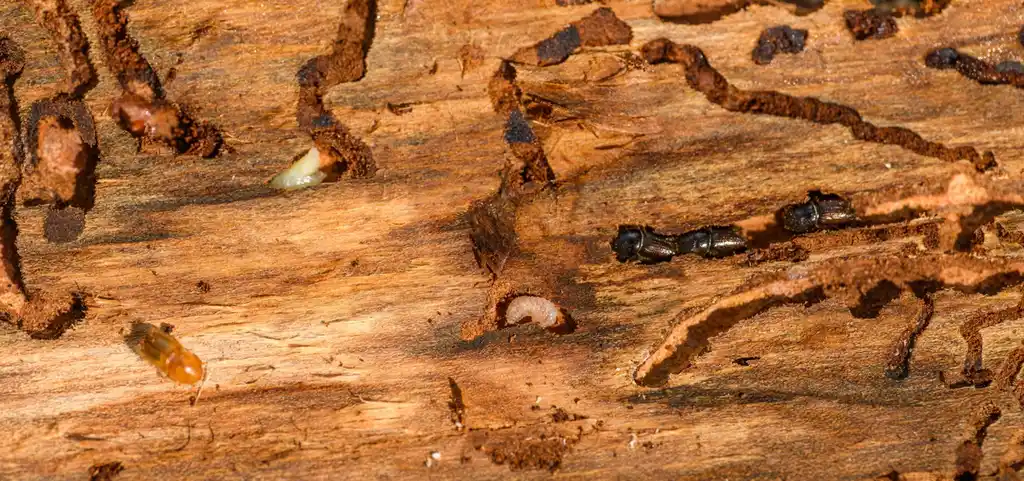
Aardvark Motown Pest Control has served customers for 46 years, since 1980. That history includes working with Detroit's varied housing stock, from older brick homes and narrow roof gaps to garages, apartment buildings, and commercial spaces. Our technicians assess the animal and the structure before choosing a removal method, then focus on access points that could invite another intrusion. Wildlife work also requires careful attention to safety, nesting activity, and the condition of the affected area. We explain what we found and what needs attention next.

We heard scratching above the bedroom for several nights and found a loose section near the roof. The technician checked the attic and outside, explained the entry point, and showed us what needed to be closed. The visit took a few hours, and we appreciated getting a clear explanation instead of a guess about what was making the noise.
A squirrel had worked its way near the soffit, and we were worried it would get back in after removal. The team inspected more than the damaged spot and pointed out another vulnerable gap by a vent. They handled the removal plan and explained the exclusion work. We knew what to monitor over the next couple of days.
We had repeated animal noise above a shared hallway and needed to understand where it was entering. The inspection covered the roof edge and attic access, and the technician walked me through the findings before proceeding. The communication was direct, and we received a practical list of the repair points to address.
In 2026, a straightforward wildlife removal job in Detroit commonly costs about $180 to $450, while complex exclusion or multi-animal work can range from $450 to $1,200 or more. The animal, access difficulty, number of openings, and need for follow-up affect the price. We inspect the situation and explain upfront pricing before work begins. Cleanup, insulation replacement, and structural repairs can add separate costs when damage is extensive.
The best wildlife removal in Detroit MI identifies the species, checks for young, removes the animal safely, and closes the access route. Ask whether the inspection includes nearby vents, soffits, and roof gaps, not only the visible opening. Our technicians explain the method and show you the entry points found. A removal plan should fit the animal and structure rather than rely on poison or a trap without follow-up.
To get rid of wild animals in your Detroit home, keep people and pets away from the affected area and call a wildlife professional to identify the animal and entry route. Do not seal an opening while activity may remain inside; that can trap an animal or dependent young. We inspect, plan removal, and address access points. If you hear movement at night, note the room and time to help narrow the search.
A straightforward wildlife removal visit in Detroit takes about two to four hours; difficult access, multiple animals, or exclusion work can require a full day or a return visit. Inspection usually takes 30 to 60 minutes. The total timeline depends on species, nesting activity, and whether the animal must leave through a controlled route. We explain the sequence after identifying the problem and tell you what signs to monitor afterward.
Not seeing your question? Our local team can help you understand urgency, scheduling and what to expect.
Ask the local team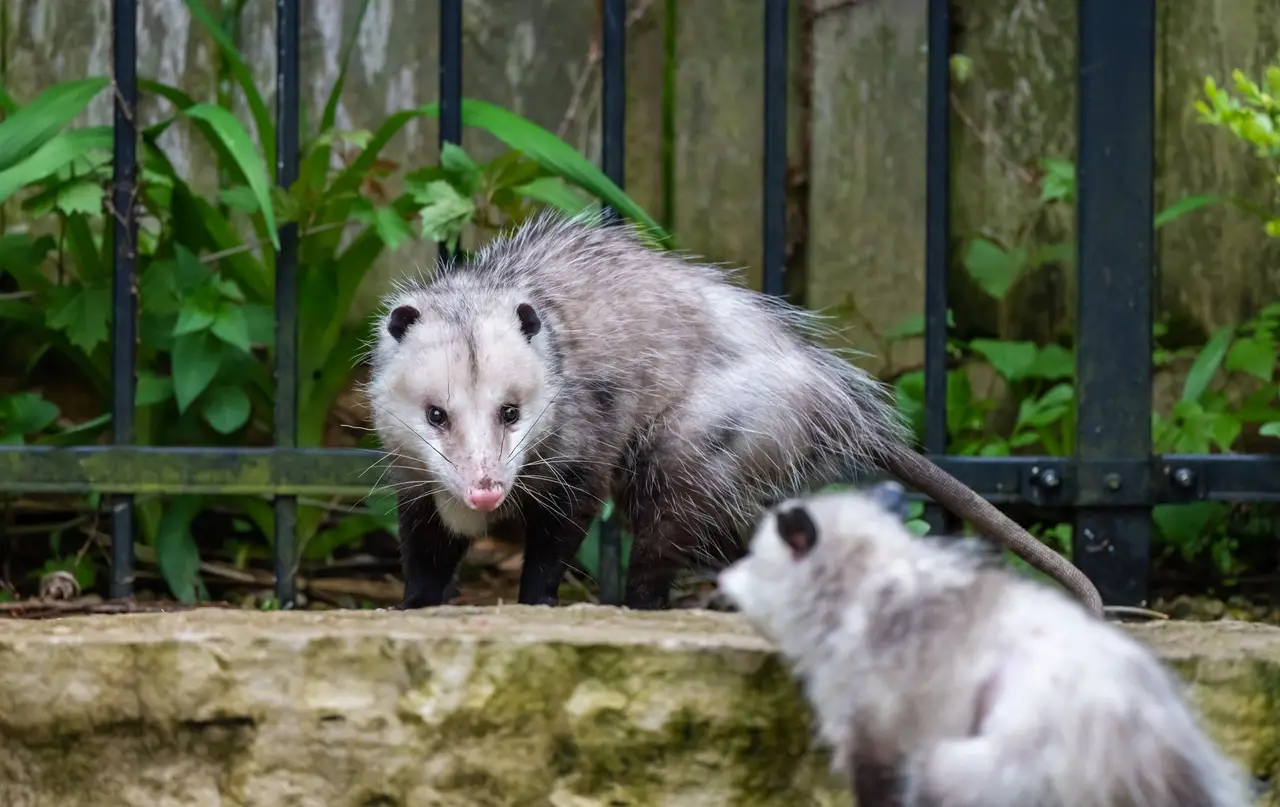
Wildlife intrusion can coincide with insects or rodents using the same building gaps. Our general pest service checks common indoor and exterior pest activity around your Detroit property and recommends targeted treatment. It complements wildlife exclusion by addressing separate pest issues without confusing them with animal entry.
View serviceSquirrels and rats can both gnaw, but their signs, access routes, and control plans differ. Rodent Control focuses on mice and rats inside homes or businesses, while wildlife removal handles larger wild animals. We inspect the evidence so the right service addresses your Detroit property.
View service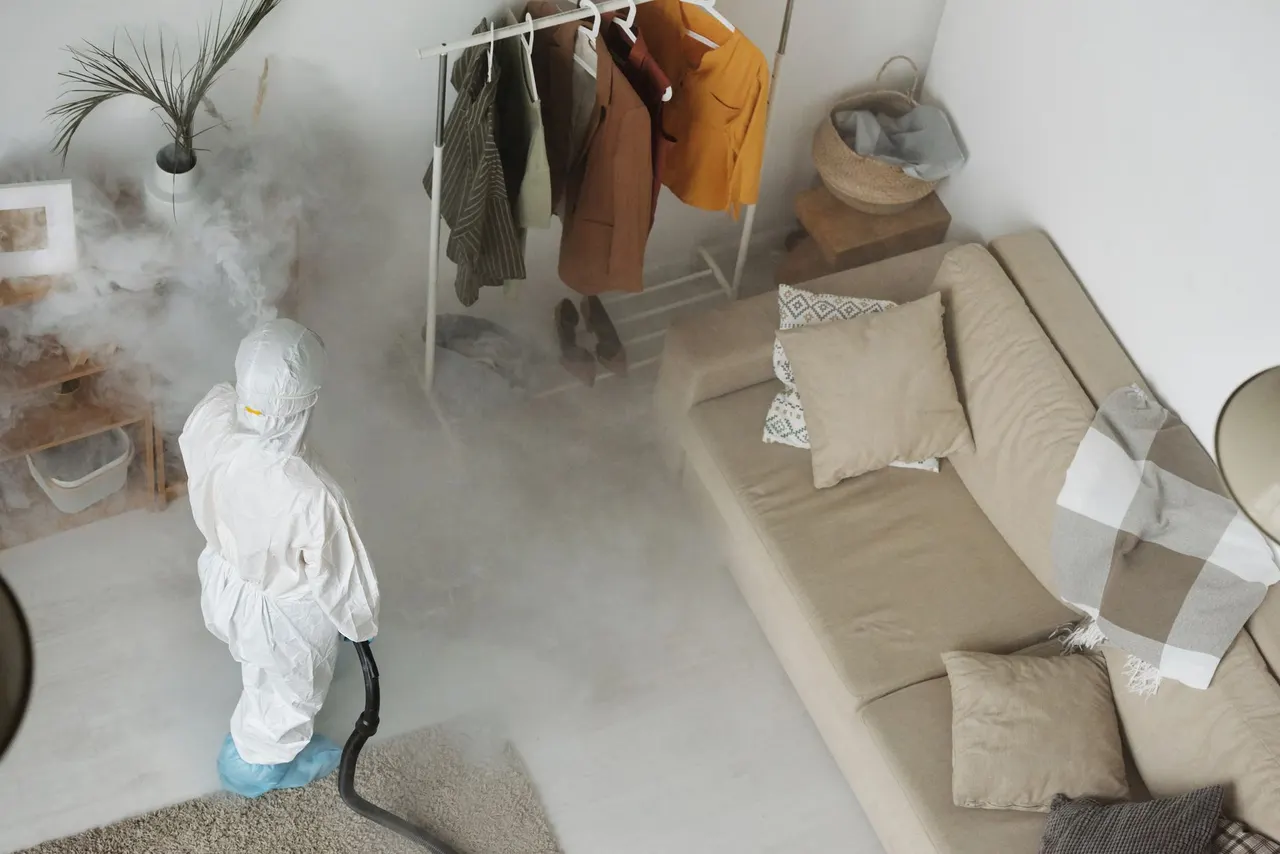
Mice can enter through openings far smaller than those used by raccoons or squirrels. If you find droppings in a pantry after wildlife work, our technicians can inspect for a separate mouse route and activity. We pair targeted control with practical advice on food storage and gaps.
View service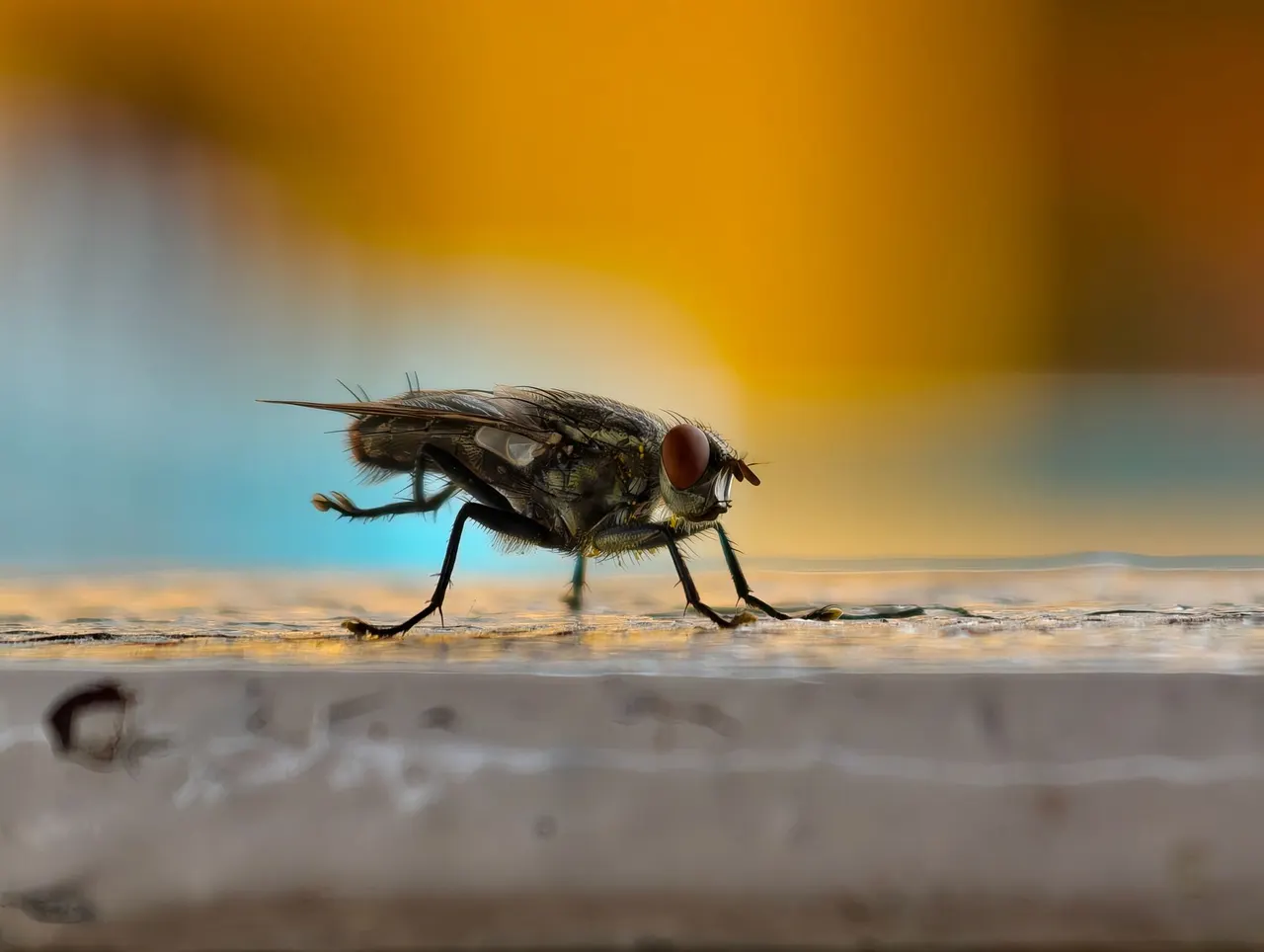
Rats can occupy basements, garages, and wall voids near wildlife access points. Rat Removal addresses the rodent population and its routes; wildlife service handles animals such as raccoons and opossums. We distinguish the signs and recommend the service that fits the evidence in your Detroit building.
View service
Call Aardvark Motown Pest Control at (313) 879-5917 to discuss insects, rodents, bed bugs, termites, or wildlife at your property. Our regular phone hours are Monday through Friday, 8:00 a.m. to 6:00 p.m.; leave a message outside those hours and include your Detroit neighborhood and the pest activity you noticed. We will respond during business hours.