Focused arrival windows
Useful updates and clear arrival timing.
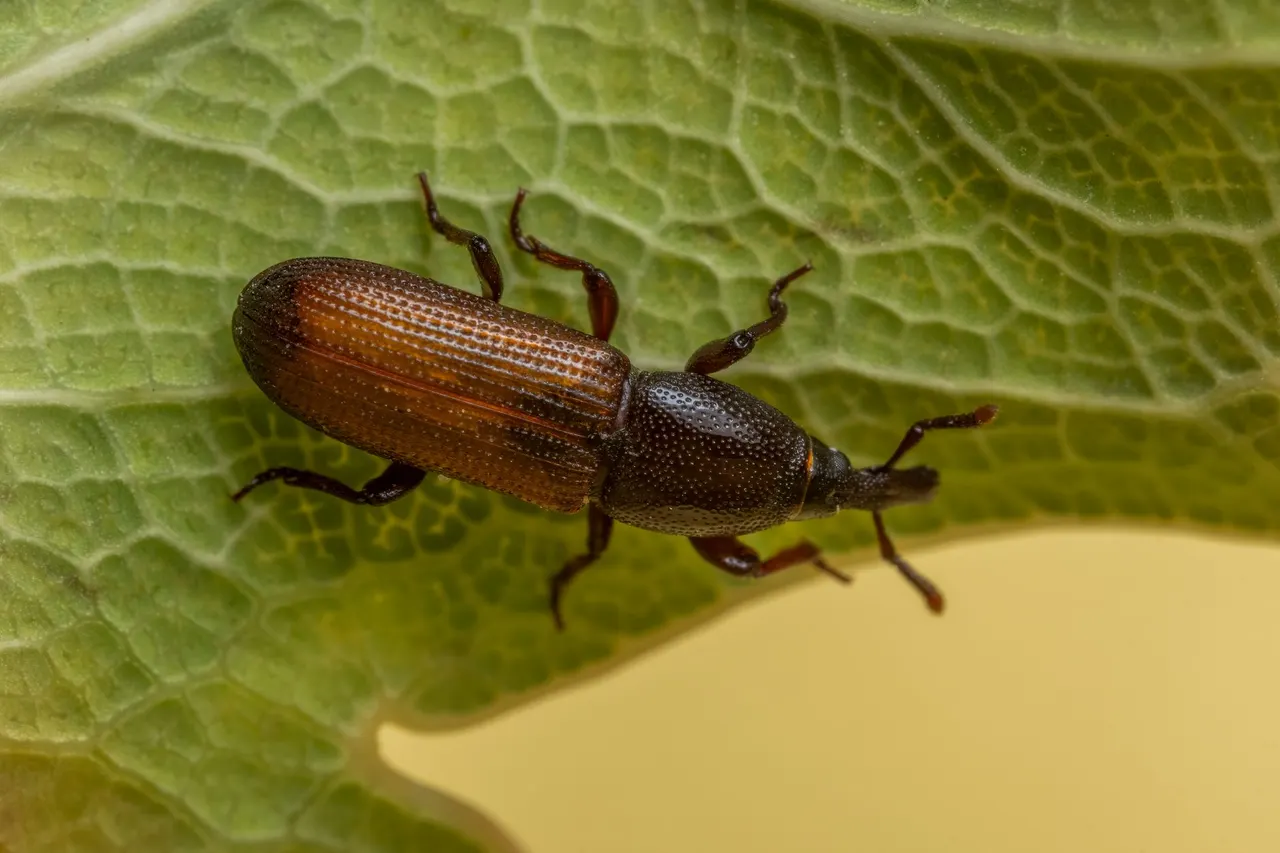
Cockroach Extermination Detroit MI helps homeowners, renters, restaurant operators, and property managers stop sightings at the source. Our technicians inspect kitchens, bathrooms, utility areas, and shared walls, then match treatment to the species and infestation level. Roach control Detroit starts with a practical plan for the building you occupy, whether you are seeing one roach after dark or repeated activity near sinks, drains, and appliances.
Useful updates and clear arrival timing.
Review the approach and price before deciding.
Equipped vehicles and respectful cleanup.
Neighbors serving neighbors with follow-through.
A cockroach visit includes an inspection of reported rooms, identification of likely harborage, targeted treatment, and clear aftercare directions. We explain which placements should remain undisturbed and what to monitor over the next 7 to 14 days. Structural repairs, major plumbing leaks, and treatment of separate pests require their own work, but we identify relevant conditions and explain the practical next step.
We look for live roaches, droppings, egg cases, shed skins, and monitor captures in the rooms you report. Identifying likely species and activity areas helps us select a treatment plan that fits the building instead of applying the same method everywhere.
We place appropriate bait, dust, or labeled insecticide treatment in confirmed harborages and travel routes. Placements account for children, pets, food-contact surfaces, and room use. Your technician points out treated locations and explains when you can clean nearby surfaces.
Monitors help show whether activity is falling, continuing, or shifting to another area. We explain what to check during the next 7 to 14 days and how to report new evidence. Follow-up recommendations are based on inspection findings and monitor results.
We identify food, moisture, clutter, and access conditions that support roaches, then give you focused actions. Examples include sealing dry goods, repairing a drip, cleaning grease behind an appliance, or asking maintenance to close a plumbing gap.
Share what is happening and receive a clear next step from the local team.
Cockroach Extermination Detroit MI is a pest treatment service that identifies cockroach activity and reduces active populations by treating harborage, food, and access routes. We inspect under sinks, behind refrigerators, around pipe penetrations, and inside cabinet corners, then place monitors to map movement. Depending on the findings, treatment can include gel baits, insecticide dusts, targeted sprays, and sealing gaps. A standard inspection takes about 30 to 60 minutes; a focused treatment often takes 1 to 3 hours, with preparation and follow-up tailored to the site.
Detroit's older brick homes, duplexes, apartment buildings, and restaurant corridors can share plumbing chases and wall voids where roaches travel unseen. Winter heating draws pests toward warm kitchens and boiler areas; spring thaw and summer humidity can raise activity near basements and drains. If you are searching how to get rid of cockroaches in Detroit MI, our inspection distinguishes German cockroaches from larger outdoor species and identifies whether activity is limited to one unit or moving through a shared structure.
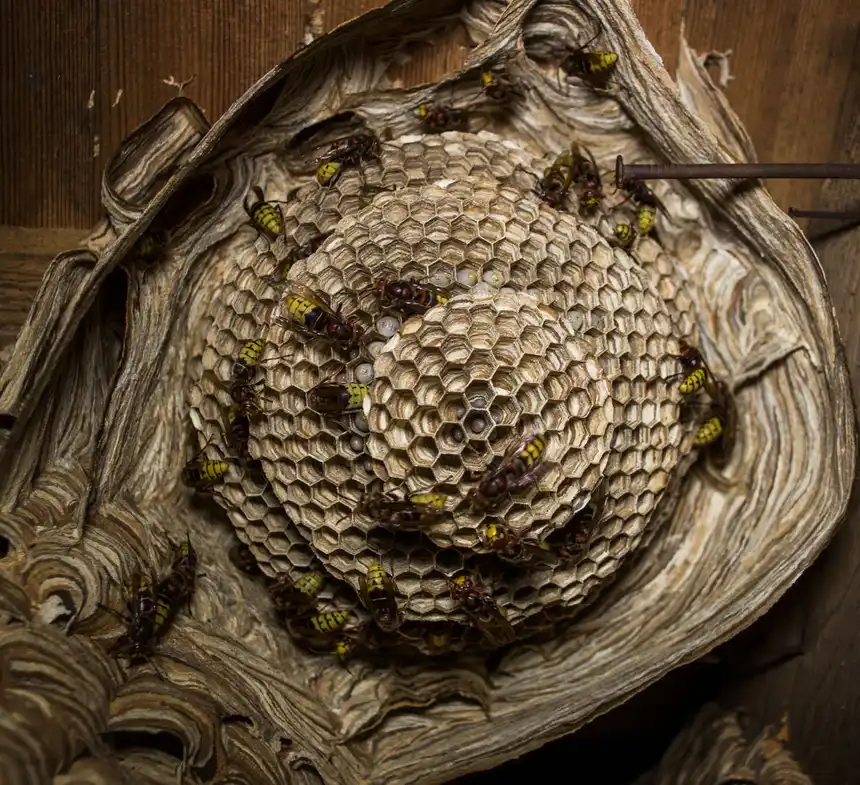
We ask where and when you have seen roaches, what rooms are affected, and whether neighboring units or business areas have activity. Before arrival, note recent sightings and keep a photo if you have one. This short conversation helps us focus the inspection; allow about 10 minutes for the initial history and access arrangements.
Our technician checks kitchens, bathrooms, basements, utility penetrations, and appliance edges for droppings, egg cases, shed skins, and live insects. We place or read monitors where movement is most likely. A typical inspection takes 30 to 60 minutes, and species identification matters because German cockroaches need a different response than occasional outdoor invaders.
We apply an appropriate combination of bait, dust, or a targeted insecticide treatment to confirmed harborage and travel routes. Product choice and placement follow label directions and the room's use. We avoid treating food-contact surfaces, and we tell you exactly when treated areas should remain untouched and when normal use can resume.
Where practical, we identify openings around plumbing, cabinets, and baseboards that allow roaches to travel or hide. We can recommend sealants or foam for suitable gaps and explain which repairs need a building maintenance professional. Closing a quarter-inch opening around a pipe can remove a useful route between a wall void and a sink cabinet.
Before leaving, we review treatment locations, sanitation priorities, and what to expect over the next 7 to 14 days. You may see brief activity as roaches encounter treatment, so we show you how to read monitor results rather than judging by one night. If evidence continues, we use the monitoring pattern to guide a follow-up visit.

We place monitors along walls, beneath sinks, or beside appliances to measure activity and identify travel routes. Counts over 7 to 14 days help show whether treatment is working or another harborage needs attention.
Bait stations protect selected bait placements from casual contact while allowing roaches to feed. We position them close to confirmed activity and away from food preparation surfaces, then explain which stations should remain undisturbed.
A vacuum unit can remove visible insects, debris, or egg cases from accessible areas during inspection. We use it as a targeted mechanical step, then treat the underlying harborage so removal alone does not leave an active source.
We use insecticide sprayers only for suitable, labeled applications and do not rely on broad spraying as a substitute for inspection. Targeted placement follows product directions and the room's use, with clear instructions about treated surfaces and re-entry.
Advion is one example of a professional gel bait option for suitable cockroach activity. Product selection depends on inspection findings and label directions; we place small, targeted amounts in protected harborage rather than coating open surfaces.
We combine inspection, sanitation guidance, exclusion recommendations, targeted products, and monitoring. The sequence matters: identify species and activity first, place the right treatment next, then use monitor results to decide whether another visit is needed. This reduces blind application and focuses effort on the conditions sustaining the infestation.
We select bait based on the evidence and place it near feeding and travel areas, not on recently sprayed surfaces. If monitoring shows continued activity, we reassess placement and product choice rather than stacking products in the same spot. Every application follows the specific product label.
We identify openings around pipes, cabinet backs, and baseboards that allow roaches to travel between rooms or wall voids. Where suitable, we recommend sealants or foam and point out leaks or condensation that need repair. Closing access and reducing water make treatment less likely to be undermined by the same conditions.
Glue boards and other monitors provide evidence after treatment. We compare locations and capture patterns over 7 to 14 days, then determine whether activity is falling or persisting near a new route. You receive clear instructions about what to record and when to call for another assessment.

We inspect appliance edges, cabinet corners, and plumbing openings for German cockroach activity, then place targeted bait and monitors. We ask you to clear access below the sink and store open food before treatment. That gives the technician room to reach likely harborage without disturbing the rest of your kitchen. You receive a map of treated areas and a 7-to-14-day monitoring plan, so you can tell whether sightings are declining or moving.
We inspect the reported unit and check likely shared routes around pipes, cabinets, and service chases. We explain the evidence to the property contact and recommend coordinated access where needed. Targeted treatment and monitors help distinguish a local kitchen source from movement across connected units. The building gets a clearer picture of affected spaces, and treatment can address the route instead of repeatedly treating one visible corner.
We inspect equipment edges, drains, storage, and nearby wall penetrations, then choose placements suited to food-service conditions. We coordinate entry around the operating schedule and give staff specific cleaning priorities. Monitors placed along travel routes help document activity between visits. Your team knows which areas to clean, where activity is being tracked, and what signs should trigger a follow-up inspection.
We inspect the warm utility area, water sources, stored items, and pipe penetrations leading toward living spaces. Treatment targets confirmed harborage, while our technician identifies suitable gaps for sealing and any moisture issue that needs repair. We keep the plan specific to the route into the home. You get treatment focused on the basement source and clear prevention steps for the laundry area, kitchen, and connected pipe openings.
Detroit buildings give roaches many different hiding places: brick walls, older cabinet runs, basement utility rooms, shared plumbing chases, and restaurant equipment bays. Winter arrives with a particular problem: heated interiors draw insects toward kitchens, boiler rooms, and laundry sinks, while moisture around drains supports activity year-round. In spring and summer, humid basements and open doors can add pressure around ground-level rooms. Our roach control Detroit inspection follows the evidence from the sighting back to food, water, and access. We check whether the issue is a German cockroach infestation or occasional entry by a larger species, because the treatment plan changes with the pest. If you need roach control in Detroit Michigan, tell us whether you rent, manage a multifamily property, or operate a food business; that context helps us plan access and monitoring. We serve Wayne County and work in Detroit, MI, including neighborhoods near ZIP codes 48206 and 48209. We follow pesticide labels and applicable Michigan requirements, and we explain treatment locations before you use the room again.
Older homes and renovated kitchens can have cabinet seams and pipe openings that provide concealed routes. We check both the visible kitchen and the utility spaces behind it.
Apartments and mixed-use buildings may share service chases. We ask about activity in nearby units and use monitors to identify movement beyond one reported room.
Food storage, loading areas, and commercial kitchens create distinct inspection needs. We focus on drains, equipment edges, and storage transitions where moisture or crumbs collect.
Basements and laundry rooms can stay warm and damp through winter. We trace reported sightings around utility sinks, boiler spaces, and pipe penetrations into living areas.
During Detroit's winter heating season, warm utility spaces may shelter roaches close to water lines and floor drains. We inspect the route into occupied rooms and recommend sealing suitable openings after treatment.
A single unit's sightings may reflect activity beyond its walls. We look for evidence at pipe entries and use monitoring to guide property-wide coordination, rather than assuming every unit needs identical treatment.
Moisture under a laundry sink or around a drain can keep roaches active even when food is stored carefully. We identify leaks and condensation, treat nearby harborage, and explain which repairs will reduce the water source.
A Detroit homeowner reported several small roaches most nights, with droppings under the sink and activity behind the refrigerator. Store-bought sprays reduced visible insects briefly, but sightings returned within days. Inspection found moisture below the sink, a pipe gap, and monitor activity along the cabinet wall.
We treated confirmed harborages and installed monitors at three travel points. During the next 14 days, the homeowner reported fewer sightings and no new captures at two of the three locations. The technician also identified the pipe gap for sealing and showed how to keep the cabinet dry after use.
Maintenance: Keep open food sealed, wipe grease from the appliance edge weekly, and repair the sink leak. Check monitors every few days for two weeks and contact us if captures rise or activity moves to another room.
A Midtown renter saw roaches beside the kitchen drain and believed they were coming from a neighboring unit. The property had shared plumbing, but no one had checked the cabinet void or tracked movement. Sightings continued around the same wall after routine cleaning.
Our inspection found activity concentrated around the pipe entry and two monitor points. We treated the confirmed route and explained which connected areas the property contact should inspect. Over the following week, the renter reported fewer nighttime sightings and the monitors helped narrow the remaining activity to one location.
Maintenance: Keep the sink and counter dry overnight, store pantry goods in closed containers, and avoid moving treatment placements. The property contact should keep access available to the shared service area if monitoring shows continued captures.
A Downtown Detroit kitchen saw occasional roaches near a refrigerator motor and floor drain after closing. Staff cleaned visible surfaces, but the equipment edge and drain route were difficult to inspect during a busy shift. The manager needed a treatment plan that fit food-service routines.
We inspected the equipment perimeter, drain, and nearby wall opening, then placed targeted treatment and monitors in suitable locations. The manager reported no sightings during the next 10 closing checks, and staff received a short list of cleaning points to maintain around the refrigerator and drain.
Maintenance: Keep the drain area free of standing water, remove food debris behind movable equipment on the scheduled cleaning cycle, and review monitors during closing checks. Report any new captures so the source can be reassessed promptly.
Cockroaches survive when food, water, shelter, and access remain available. In Detroit homes and commercial buildings, the source may sit behind an appliance or inside a shared wall. If you are deciding how to get rid of cockroaches in Detroit MI, we connect visible signs to the conditions sustaining activity and treat those locations directly.
Repeated sightings can signal a nearby harborage with reliable water and food, while droppings contaminate cabinet corners and stored items. We inspect the sink cabinet, pipe openings, nearby appliances, and cabinet seams for activity. After targeted treatment, we show you how to keep the basin dry overnight and identify leaks or gaps that need repair. Monitoring helps determine whether the source is contained in the kitchen or connected to a wall void.
Shared plumbing chases and wall voids let insects move beyond one kitchen, so treating only the first reported room can leave the source active. We map signs in the affected unit, inspect likely travel points, and use monitors to guide placement. With the property contact, we explain which connected areas may need access and why consistent sanitation matters across units. The treatment plan stays focused on evidence rather than assuming every apartment has the same level of activity.
Activity near food preparation can create contamination concerns and disrupt closing routines, especially when insects stay hidden during operating hours. We inspect drain edges, refrigeration motors, dish areas, and storage zones, then place treatment where it does not interfere with food-contact surfaces. We coordinate practical access around the work schedule and identify cleaning steps that remove grease and moisture. Monitors provide a record of activity trends between service visits.
Warm mechanical spaces can shelter roaches during Detroit winters, and pipe penetrations may provide a path into kitchens or laundry rooms. We trace the route between the warm area and reported sightings, inspect pipe entries and storage, and place treatment at confirmed travel points. We also identify gaps suitable for sealing and explain which maintenance repairs will cut off access. This approach addresses both the indoor population and the route feeding it.
$180 - $450 for many focused residential treatments; severe, multi-room, or multi-unit infestations can exceed this range.
Typical 2026 pricing in Detroit is $180 to $450 for many focused residential treatments; larger infestations and multi-unit properties can cost more. Roach control Detroit pricing reflects inspection time, the number of affected rooms, the species, building access, product needs, and follow-up monitoring. A small kitchen with clear access costs less to treat than a spread-out infestation involving several apartments or a commercial food area. We inspect first and explain upfront pricing before work begins, so you understand what drives the amount and what the treatment addresses.
The price covers more than product: inspection, species and harborage assessment, targeted placement, and clear monitoring guidance. Finding a water source or shared route early can prevent repeated treatment of the same visible spot.
A single kitchen usually requires less inspection and product than activity across a kitchen, bathroom, basement, and laundry area. More rooms also mean more monitoring points and time tracing the route. We base the plan on evidence rather than treating rooms with no signs.
A few recent sightings with limited monitor activity are different from a long-standing infestation with egg cases and multiple harborages. Heavier activity takes more inspection, treatment placements, and follow-up attention. Addressing the problem early often limits the number of affected areas.
Shared walls, locked utility spaces, built-in appliances, and multiple units can add time because the technician must trace activity and arrange access to relevant locations. Clear access beneath sinks and around appliances helps keep the inspection efficient.
Restaurants and other businesses may need service coordinated around food preparation, closing routines, or restricted areas. Treatment placement must fit the use of each room and product directions. That planning can change labor time compared with a straightforward residential kitchen.
Persistent activity or captures across several rooms may call for a follow-up visit to reassess placement and treatment response. The monitor pattern helps determine whether added service is warranted instead of scheduling visits without evidence.

Aardvark Motown Pest Control has served Detroit for 46 years, since 1980. Our cockroach work starts with inspection rather than a one-product routine: we identify the pest, trace its food and water sources, and choose placements that fit the building. Our technicians follow pesticide label directions and applicable safety requirements, explain preparation in plain language, and tailor the plan for occupied homes, apartments, kitchens, and commercial spaces. You get a clear explanation of what we found and what the next monitoring step should show.

We were seeing roaches under the sink and behind the refrigerator almost every night. The technician checked both spots, found a gap around a pipe, and showed us where the monitors would go. We followed the cleanup instructions and saw fewer roaches over the next week. The explanation was direct, and we knew what to watch for after the visit.
Our apartment had activity near the kitchen cabinets, and we were worried it was coming through the shared wall. The technician inspected the plumbing area, treated the hot spots, and explained how management could check nearby units. We appreciated having clear instructions about food storage and not disturbing the bait placements. The follow-up monitor gave us a useful way to track activity.
We needed a careful inspection around the dish area and refrigerator without disrupting the whole shift. The technician focused on the equipment edges and drain area, then explained which surfaces to clean and where monitors were placed. We had fewer sightings after the first week and a clear plan for checking the problem during closing routines.
A focused residential treatment often costs $180 to $450 in 2026, while severe or multi-unit infestations can exceed that range. Price depends on the number of affected rooms, infestation level, building access, and follow-up needs. We inspect the site and explain upfront pricing before work begins. Keep food sealed and clear access below sinks to help the technician work efficiently.
The best approach is an inspection-led treatment that identifies the species, locates harborage, and uses targeted bait or other labeled products with monitoring. No single spray solves every infestation. Our technicians look for water sources, egg cases, and travel routes, then set a follow-up plan based on activity. For a shared building, coordination between affected units often matters as much as the treatment inside one apartment.
Start by reporting sightings to your property manager, storing food in sealed containers, and drying sinks overnight; our inspection then locates activity and access routes. Roaches can travel between units through plumbing and wall voids, so treating one room may not address the source. We use monitors and targeted placements, then advise whether neighboring areas need inspection. Avoid moving bait or applying household sprays over treated locations.
A standard inspection and treatment takes about 1 to 3 hours, and visible activity often declines over 7 to 14 days. Severe infestations or buildings with connected units need more monitoring and sometimes follow-up treatment. We explain the expected timeline at the visit and show you where to check monitors. Do not judge results only by the first night; treatment and sanitation changes need time to affect the population.
Not seeing your question? Our local team can help you understand urgency, scheduling and what to expect.
Ask the local team
General Pest Control addresses several common household pests alongside a cockroach problem. For Detroit homes, we can inspect entry points and activity in kitchens, basements, and exterior areas, then recommend a coordinated plan so treatments do not conflict or leave a separate pest issue unchecked.
View service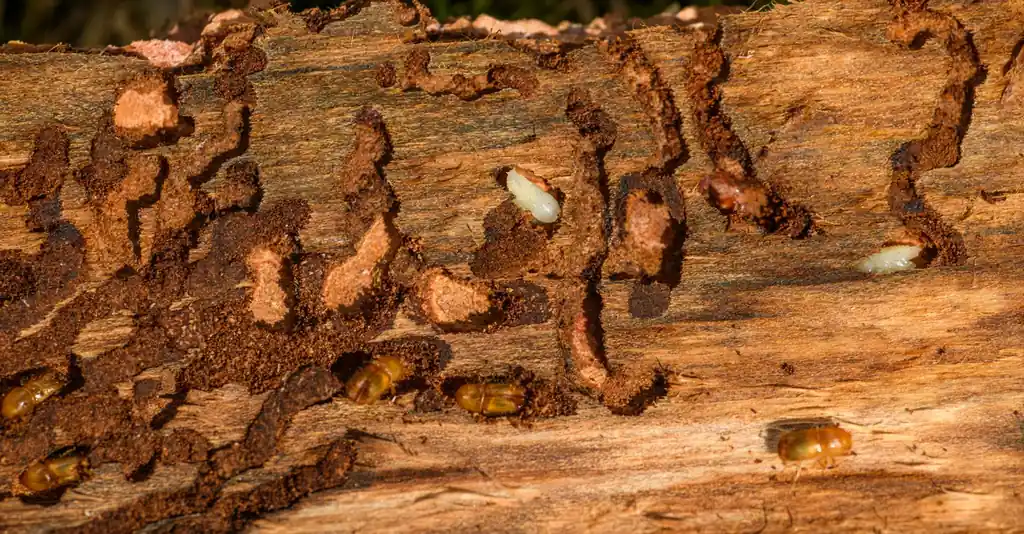
Rodent activity and cockroach activity can both point to gaps, food access, or clutter around utility spaces. Our Rodent Control service focuses on rodent entry and monitoring, while cockroach work targets insect harborage. Detroit property owners can address both problems during a structured inspection.
View service
Mice and cockroaches often use the same kitchen, basement, and pipe penetrations for access, though their treatment methods differ. Mice Extermination identifies rodent routes and nesting evidence; we keep that work distinct from cockroach bait placement while addressing shared sanitation or exclusion concerns.
View service
Rat Removal is useful when larger rodents are active around Detroit basements, alleys, or service areas. We inspect for access and signs such as droppings or gnawing, while a separate cockroach plan treats insects in kitchens and bathrooms. Coordinating inspections helps reveal common structural openings.
View service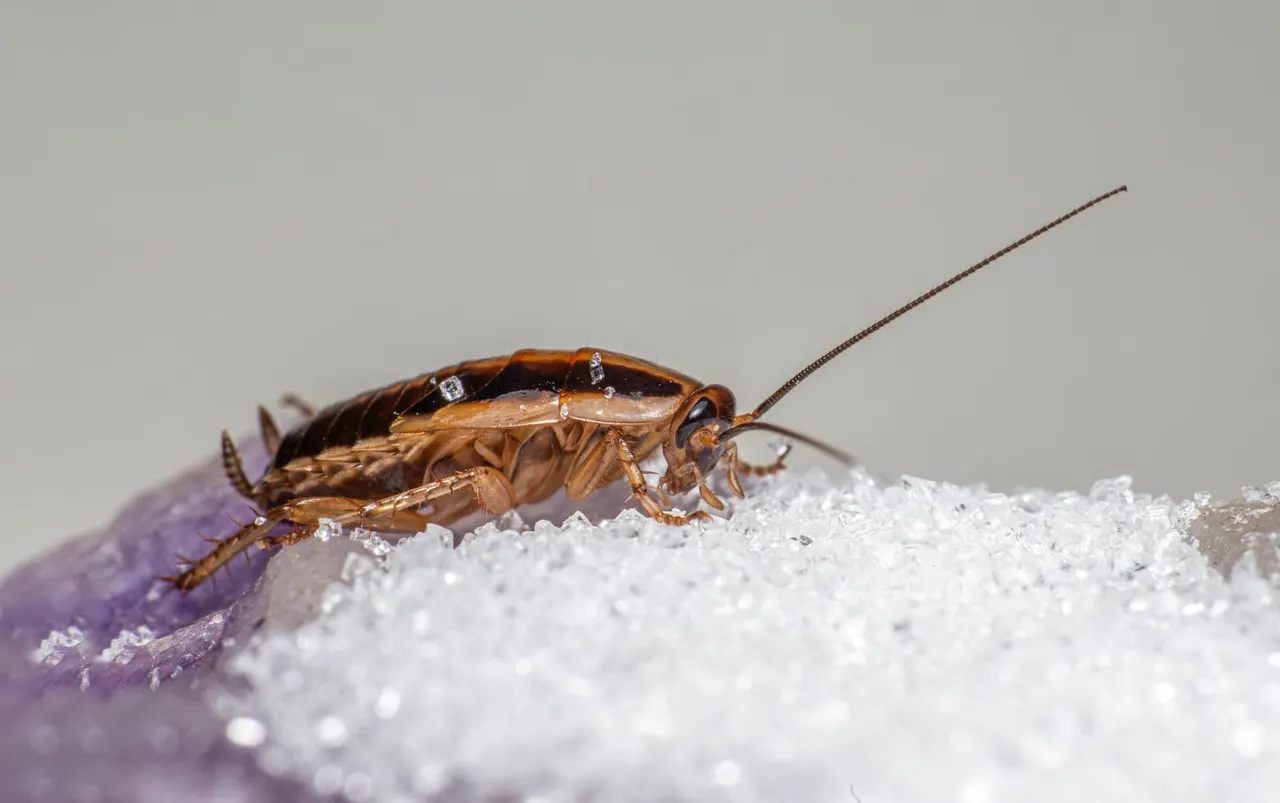
Call Aardvark Motown Pest Control at (313) 879-5917 to discuss insects, rodents, bed bugs, termites, or wildlife at your property. Our regular phone hours are Monday through Friday, 8:00 a.m. to 6:00 p.m.; leave a message outside those hours and include your Detroit neighborhood and the pest activity you noticed. We will respond during business hours.