Focused arrival windows
Useful updates and clear arrival timing.
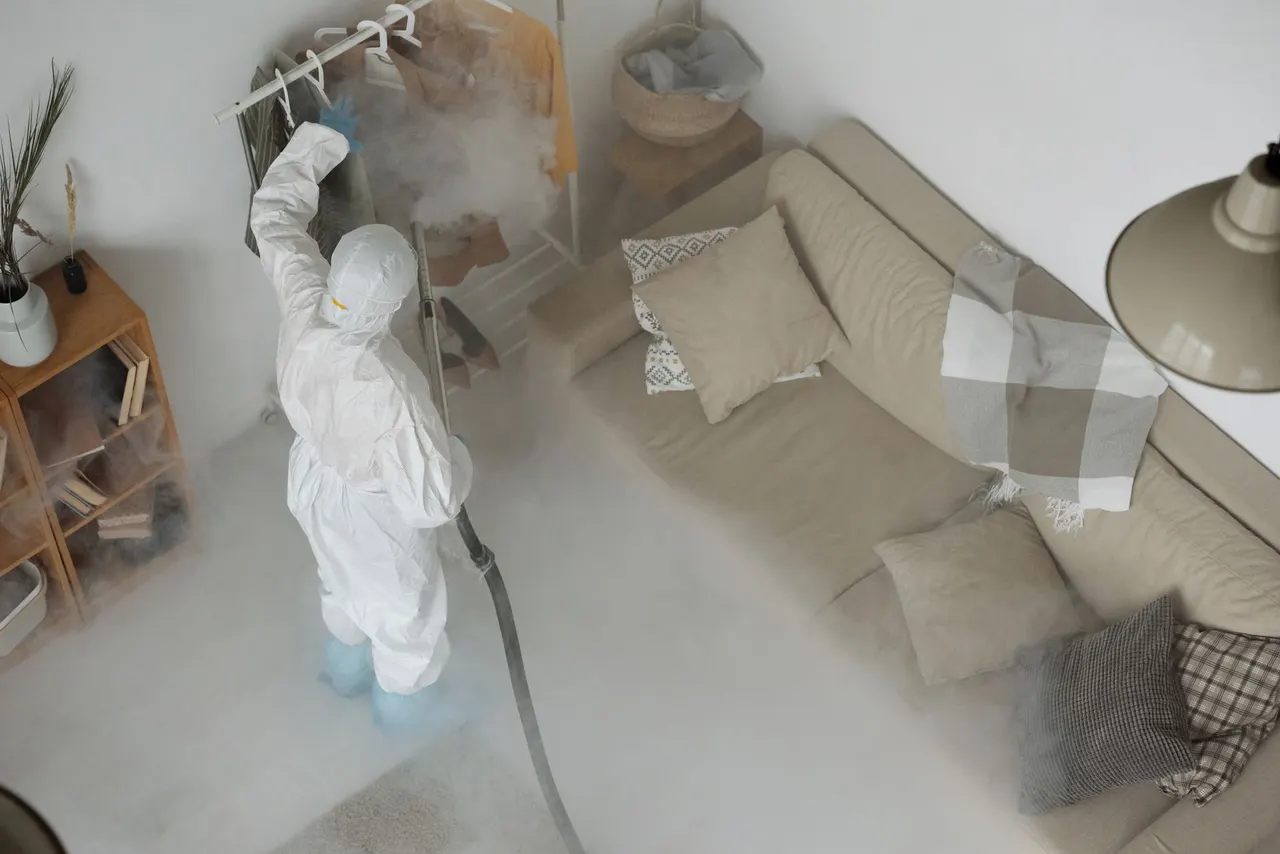
Ant Control Detroit MI helps homeowners, renters, and local businesses stop trails at the source instead of chasing individual workers with sprays. Our technicians inspect entry points, identify likely food and moisture sources, and match treatment to the ant activity and building. If you are seeing ants around a sink, pantry, foundation, or storefront, our ant extermination Detroit service focuses on the colony and the conditions drawing it inside.
Useful updates and clear arrival timing.
Review the approach and price before deciding.
Equipped vehicles and respectful cleanup.
Neighbors serving neighbors with follow-through.
Ant Control Detroit MI includes an activity review, inspection of likely trails and entry points, and a treatment selected for the site. We explain product placement and practical prevention steps before we finish. Work is focused on ant activity; repairs to building materials, extensive moisture correction, and treatment for unrelated pests require their own work plan. You will know what we handled and what conditions to address next.
We follow visible ants and inspect nearby cracks, plumbing penetrations, cabinet edges, and foundation joints. The inspection helps distinguish a kitchen food trail from an exterior route or a nest near damp material. You can point out recurring times and locations so we focus on the areas that affect your routine.
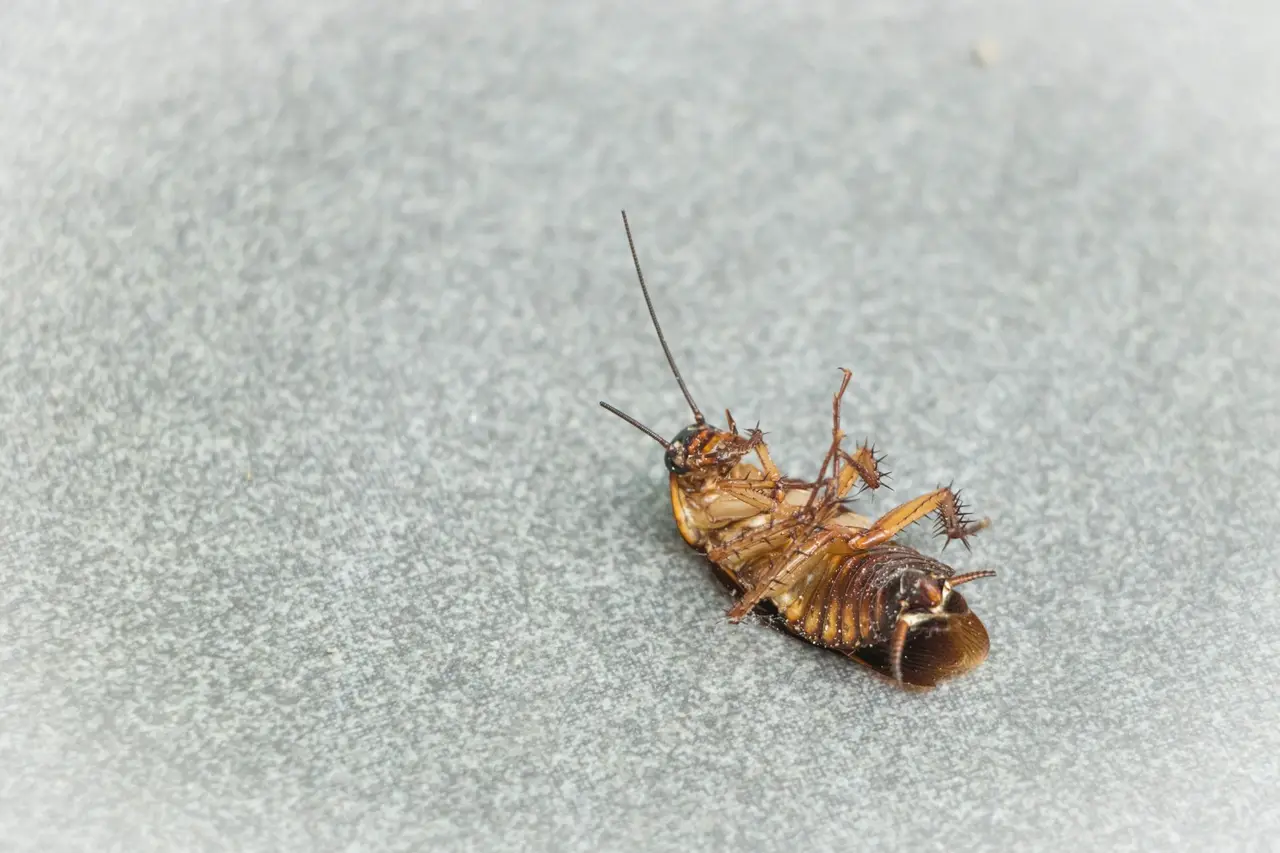
Ant size, color, nesting location, and behavior help guide treatment selection. We examine the activity rather than assuming all ants respond to the same bait or application. If signs point to a different pest, such as a cockroach infestation, we explain the distinction and identify the appropriate service.
We use suitable baits, dusts, or labeled insecticides in locations connected to the active route. Bait stations can keep placement controlled where appropriate, while a localized application may address a different site condition. Treatment is deliberate and follows label directions for the product and setting.
Before leaving, we point out practical steps such as storing sugar and pet food in closed containers, wiping spills, and correcting accessible drips. We also identify openings that could use sealants or screens. These steps support treatment by reducing food, moisture, and easy access around your property.
We tell you how long to monitor the treated area and which changes matter. With bait-based work, activity can continue for several days as ants encounter the material; a 7 to 14 day observation period is common. You will know when to contact us if a new trail appears or the original route remains active.
Share what is happening and receive a clear next step from the local team.
Ant Control Detroit MI is a pest management service that identifies ant activity, treats accessible colony routes, and reduces conditions that draw ants indoors. We start by checking trails, wall-floor joints, plumbing penetrations, window frames, and outdoor foundation edges. Then we distinguish likely species and select targeted baits, dusts, or labeled insecticides rather than applying one product everywhere. A kitchen trail can point to a different source than ants emerging beside a porch. We explain what we found, treat the relevant locations, and give you practical steps to limit new foraging.
Detroit homes face ant pressure from spring through fall, while heated interiors can keep activity going during winter. Older masonry, shared walls, basement utility lines, and damp areas around plumbing create routes that are easy to miss from the kitchen counter. Our ant control services Detroit MI customers use begin with those routes, then address food residue, moisture, and gaps that sustain activity. If you are searching how to get rid of ants in Detroit MI, the useful first step is locating the trail and likely nest, not spraying the visible workers alone.
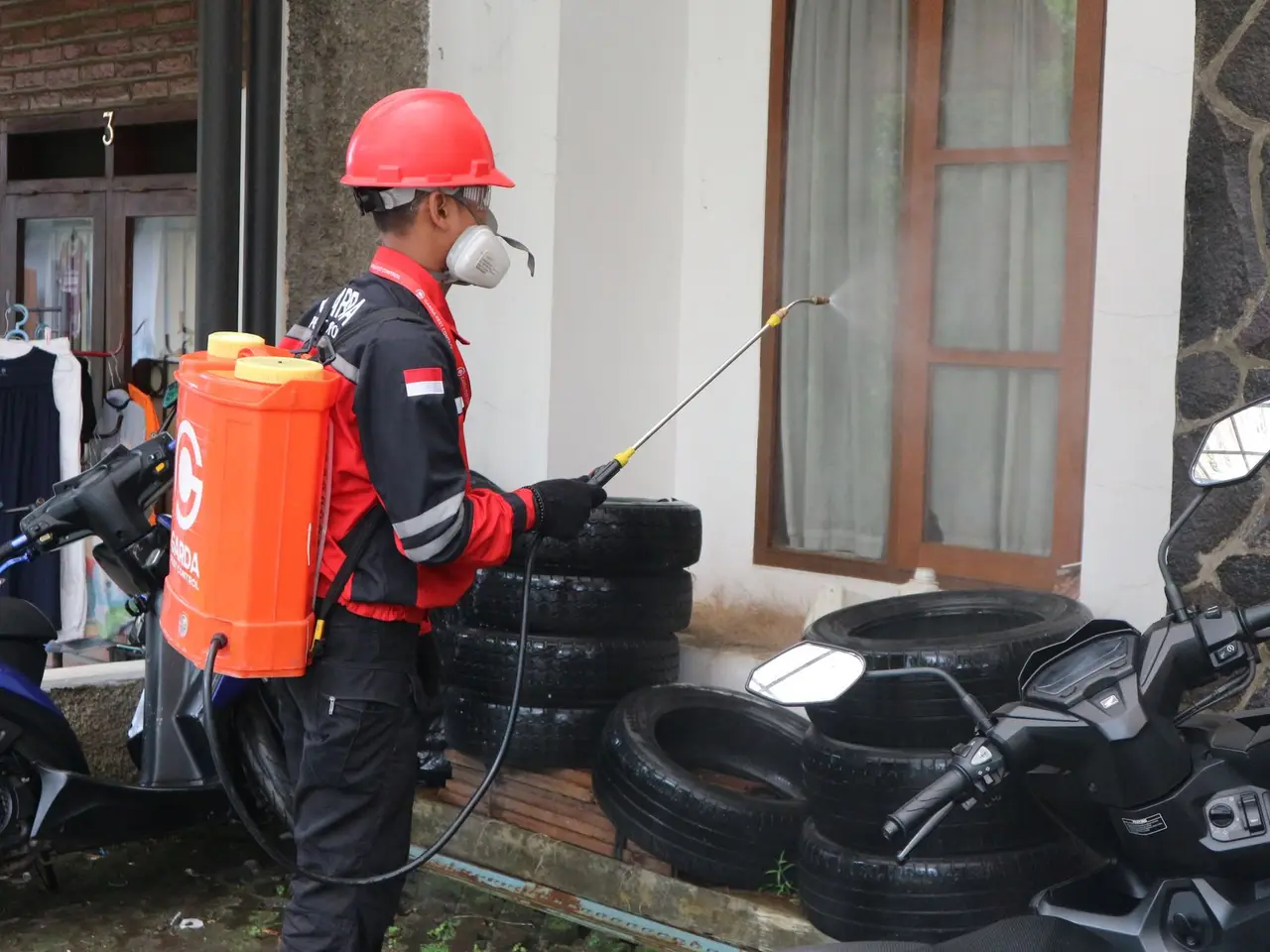
We begin by asking where ants appear, how long the trail has been active, and whether you have used sprays or bait already. You can point out sightings in the kitchen, bathroom, basement, or exterior. This conversation usually takes 10 to 15 minutes and helps us avoid disrupting bait that may already be working.
Our technician traces visible activity and checks likely entry points, including sill plates, plumbing openings, cabinet edges, and foundation joints. We look for moisture, food residue, and outdoor routes as well as indoor ants. A standard inspection often takes 20 to 40 minutes; larger or multi-unit properties require more time.
After identifying the pattern, we choose a targeted method such as secured bait stations, a localized dust application, or a labeled residual treatment. We explain where products will go and any label-based precautions relevant to children, pets, or food surfaces. We do not rely on foggers to solve a colony hidden behind a wall.
We apply treatment to the active route, likely entry point, or suitable nesting area, following the product label. The application portion often takes 20 to 45 minutes in a standard home. You will know which areas to leave undisturbed and whether a particular bait needs to remain accessible to foraging ants.
We review the findings and explain the expected response period, commonly 7 to 14 days for bait-based work. You receive specific instructions on cleaning, food storage, and what activity to report. If ants remain active after the stated interval, we use the trail location and treatment response to guide the next visit.
Secured bait stations place attractant and active material along suitable ant routes. Foragers carry bait toward the colony, so we position stations where activity is present and explain why they should remain undisturbed.
Glue boards help monitor movement and confirm whether ants are using a particular edge or passage. We use them as an inspection aid where appropriate, not as a stand-alone solution for a colony.
A calibrated insecticide sprayer supports controlled application to appropriate labeled surfaces or exterior routes. We avoid broad, unnecessary spraying and keep placement tied to the inspection findings and product directions.
Vacuum units can remove visible ants or debris during inspection when immediate cleanup is useful. Removal of workers does not replace colony treatment, so we pair cleanup with source investigation and a suitable control method.
Exclusion screens can help close suitable openings at vents or other access points when the site calls for them. We identify where screening or sealants could reduce entry, while keeping required airflow and building function in view.
We start with active foragers and follow their direction toward food, water, an entry gap, or a nesting area. Inspection includes the immediate room and connected edges, such as cabinet backs, plumbing penetrations, and foundation joints. This helps us avoid treating only the spot where ants happen to be visible.
Where the ant activity and site conditions support bait, we place it along a route workers are already using. Foragers transport bait toward the colony, so results take time rather than stopping every ant immediately. We tell you how long to leave it in place and which cleaning actions could interfere.
Treatment is paired with practical steps that reduce access to food, water, and shelter. We identify small openings, leaks, and storage issues that can sustain ant activity, then explain which corrections are most relevant. This method supports control without relying on repeated product applications as the only response.
Any pesticide application follows the product label and applicable Michigan requirements. We select the treatment location and amount for the site, explain precautions, and keep products away from food-contact surfaces unless label directions allow the use. Clear instructions help you use the treated area safely after service.

We inspect the sill, exterior edge, and counter route, then identify where ants enter and what food source they are reaching. A targeted bait placement or localized treatment addresses the route. We show you how to keep the counter clean without wiping away treatment and explain what activity to expect over the next week. You know the likely entry point, have a focused treatment in place, and can track whether the trail declines instead of repeatedly spraying workers.
We inspect both reported rooms, compare trail locations, and check accessible utility penetrations and moisture points. Our technician treats active routes and records practical prevention steps for residents. Where the pattern indicates a shared pathway, the inspection findings help coordinate attention to the connected areas rather than treating one unit in isolation. Residents receive a consistent plan, and the landlord has clear locations to monitor for renewed activity or a continuing route.
We locate the trail around the shelf, receiving door, and nearby sink, then select treatment placement suited to the food-service setting. We explain which area to keep clear and what cleaning routine supports the work. Staff can report new activity by location, giving us useful evidence if the trail changes. The affected area receives focused attention, and staff know how to protect food storage while monitoring the route during regular operations.
We inspect the wall-floor joint, nearby plumbing, and exterior foundation route for active ants and moisture conditions. Treatment targets the trail, while we point out the drip or gap that needs correction. The resident receives guidance on keeping stored items clear of the wall so the area remains accessible for monitoring. The colony route is treated, the moisture or access issue is identified, and the basement can be checked without moving stored belongings again.
Detroit's freeze-thaw cycles, spring rain, and humid summer stretches influence where ants forage and enter. As November brings colder outdoor conditions, ants seeking warmth and food can become more noticeable indoors, especially near heated kitchens, basements, and utility lines. In spring and summer, wet soil and active outdoor colonies increase pressure around foundations. Our ant extermination services Detroit MI customers request account for both interior trails and exterior access points. We inspect brick joints, porch edges, basement windows, and plumbing penetrations common in older housing, then adjust treatment to the building rather than assuming a new construction layout. In shared apartments, the route may cross a wall or service chase, so we note connected activity and explain the practical next step. We follow pesticide labels and Michigan application requirements. For ant removal Detroit MI 24/7, call (313) 879-5917 to report the location and urgency; our team will help determine the right service response.
Older brick homes and renovated interiors can have narrow gaps around window frames and service lines. We inspect both the visible room trail and the exterior edge.
Apartments and mixed-use buildings often have shared walls and utility routes. We compare activity locations to understand whether ants are entering from one unit or a common area.
Basements, porch foundations, and damp corners deserve attention after rainy periods. We check moisture and foundation joints alongside the ant trail.
Restaurants and offices may see ants around deliveries, break rooms, or storage. We focus on the active route and keep instructions practical for operating spaces.
A narrow crack around masonry, a basement window, or a utility line can become an entry route as materials shift. We inspect the building edge near indoor trails and identify where an appropriate repair can support treatment.
Moisture can draw ants toward foundation edges and keep sheltered routes active. We look for wet corners, drainage concerns, and nearby trails, then pair treatment with practical steps to reduce persistent dampness.
As outdoor temperatures fall, ants may continue seeking food and warmth inside kitchens or utility areas. We trace indoor activity to the likely access route instead of assuming the colony has disappeared with the first freeze.
A Detroit homeowner found a line of small ants crossing the counter beside the sink every morning. Wiping the surface removed the visible trail, but activity returned within hours. The plumbing cabinet had a slow drip, pantry food was open, and the route disappeared behind the counter trim.
We traced the trail to the cabinet edge and treated the active route with a targeted bait placement. The homeowner corrected the drip, sealed dry goods, and monitored activity for 10 days. Fresh ants declined over the observation period, and the counter no longer showed a continuous line during the final check.
Maintenance: Keep food sealed, wipe sugary residue each evening, and repair new drips promptly. Leave any active bait in place for the advised period, and note the exact location if a fresh trail appears.
Ants appeared along a basement wall after wet weather, then disappeared behind stored boxes. The owner had sprayed the floor twice, but the trail returned near a foundation joint. Damp cardboard and a small gap around a service line gave ants shelter and an easy route indoors.
We moved inspection access to the wall, followed the trail, and applied a localized treatment at the active route. The owner removed damp cardboard and arranged to seal the service-line opening. Within 14 days, the repeated line had stopped, and the cleared wall edge was easier to monitor.
Maintenance: Keep stored items several inches away from the foundation wall, remove damp cardboard, and check the treated joint weekly for a month. Address moisture quickly after heavy rain.
A Downtown Detroit food business spotted ants near a dry storage shelf and the rear delivery door. Staff cleaned the shelf, but ants reappeared along the baseboard during the evening close. Crumbs near a container and a worn door gap appeared to support the route.
We traced the activity between the shelf and door edge, applied a targeted treatment suited to the location, and explained the area to keep undisturbed. Staff tightened food storage and added a closing wipe-down. The manager reported no steady trail after 9 days and continued monitoring the door threshold.
Maintenance: Keep ingredients in closed containers, clean shelf edges at closing, and report any new trail by exact location. Check the door gap and maintain a clear perimeter around stored goods.
Ant trails usually point to a nearby food source, entry gap, or nest, but the visible line does not reveal the whole route. We inspect the pattern and treat the source rather than relying on repeated surface spraying. That approach helps address the daily problem and the conditions that keep attracting foragers.
A hidden route near a sink, appliance, or wall opening can keep workers returning even when crumbs are removed. Repeated sprays may disrupt baiting and leave the colony active. We trace the counter trail toward the nearest opening, inspect moisture and food access, and choose a targeted bait or labeled application. You receive directions for cleaning around treatment without disturbing it. We also identify the likely attractant, such as a drip or uncovered pantry item, so you can reduce the conditions supporting continued foraging.
Basement moisture and narrow foundation gaps can hide entry routes from view. Activity can spread between stored items and utility areas, making it harder to see where the trail begins. Our technician checks wall-floor seams, plumbing access, stored materials, and damp areas, then follows ants toward an exterior or interior source. We place treatment at appropriate activity points and explain which items to move for access. If a crack needs sealing, we identify it clearly so the repair supports ant prevention after treatment.
Frequent traffic, food residue, and deliveries create repeated opportunities for ants to find supplies. A trail near a service counter can affect sanitation routines and distract staff during busy hours. We inspect the route around storage, receiving access, sinks, and wall joints, then select controlled treatment placement suited to the setting. Your staff receives practical instructions for keeping product areas clean and reporting fresh activity. We focus on the trail without treating unrelated spaces that have no evidence of ants.
Several trails may share a wall void, utility route, or source outside the unit. Treating one visible line alone can leave the pathway active and lead to renewed sightings. We map the rooms and entry points where ants appear, then inspect shared edges and likely food or moisture sources. Targeted treatment addresses the active routes, and we explain what residents should monitor. When the pattern suggests connected units, the findings help guide a coordinated response instead of repeated treatment of one isolated spot.
$180 - $450 for many standard visits; larger or multi-unit jobs vary by scope
Typical 2026 pricing for ant control in Detroit ranges from $180 to $450 for many standard residential visits. The final price reflects the number of active areas, property size, access, ant activity, and whether treatment must cover several units or a commercial setting. Our ant extermination Detroit service begins with an inspection so the treatment matches the problem. We explain the price before work; no two buildings have identical routes, and a small kitchen trail is not the same job as activity across a shared property.
Focused inspection and treatment address the active route instead of repeating broad applications. The cost reflects the time needed to find access points, select suitable materials, and give you useful prevention steps that reduce avoidable repeat activity.
A small home with one kitchen trail takes less inspection and treatment time than a large house, multi-unit building, or commercial floor. More rooms and exterior edges require additional checks. The number of affected areas, not simply the square footage, helps determine the work involved.
One clear trail near a sink is generally more straightforward than activity in several rooms or multiple units. Each active route needs inspection and an appropriate treatment decision. Several trails can indicate a connected source or more than one entry point, which adds diagnostic time.
Finished walls, crowded storage, shared utility chases, and difficult exterior access can increase inspection time. An accessible baseboard route is simpler to assess than ants disappearing behind fixed cabinetry. Clearing a small inspection area before the visit can help us work efficiently.
Baits, localized applications, and exterior treatment have different material and labor needs. We select a method based on observed activity and the building, not a fixed product applied to every job. The chosen method also affects how long you should monitor the area.
Restaurants, warehouses, and offices may require attention to operating hours, food areas, receiving doors, or a larger perimeter. These details can increase labor and planning compared with a single-room residential treatment. We focus on the active locations and the practical needs of the site.

Aardvark Motown Pest Control has served Detroit for 46 years, since 1980. Our technicians approach ant work as inspection-led pest management: identify the activity, select a treatment suited to the site, and reduce the conditions that keep ants returning. We work in single-family homes, apartments, restaurants, and commercial spaces, where access and sanitation needs differ. Pesticide applications are handled in line with applicable label directions and Michigan requirements. We explain the plan in plain language, including what you should see after treatment and when to contact us about continuing activity.

Ants kept appearing along the kitchen counter even after we cleaned every night. The technician followed the trail to a gap near the sink line and placed bait where it made sense. We saw activity drop over the next week, and the instructions about leaving the bait alone were easy to follow. It was a relief to know what was bringing them in.
Our apartment had ants near the window and along the shared wall. The technician checked the room instead of spraying everywhere, then explained what to watch for over the next several days. We sealed pantry food and wiped the sill each night. The trail faded, and we knew exactly where to call if it returned.
We found ants near a dry storage shelf before the lunch shift. The service focused on the route and a small opening by the back door, with clear instructions for our staff. The technician worked around our setup and explained which area to keep clear. We tracked the trail and saw much less activity during the following week.
In 2026, a standard Detroit ant treatment commonly costs $180 to $450 and takes about 60 to 120 minutes. Price depends on property size, number of active areas, ant species, and whether activity reaches several units or exterior locations. A localized kitchen trail costs less than a multi-room or commercial infestation. We explain the price before work, then identify the treatment and follow-up steps that fit your property.
The best ant control in Detroit MI starts with identifying the trail and likely colony, then using a targeted treatment suited to the species and site. Baits often work well when foragers can carry them back, while a gap or nest may need a different labeled application. We inspect food sources, moisture, and entry points first. If you are comparing ant extermination in Detroit Michigan, ask whether the plan addresses the source as well as visible ants.
To get rid of ants in your Detroit home, remove accessible food and water, avoid spraying over active bait, and trace the trail to its entry point. Store pantry food in closed containers and wipe sticky residue each evening. If activity continues for 7 to 14 days or appears in multiple rooms, our ant removal Detroit service can inspect and treat the routes. Note where ants enter before the technician arrives.
A standard ant extermination visit in Detroit takes about 60 to 120 minutes, while bait-based control often needs 7 to 14 days for activity to decline. Larger buildings, multiple nests, and shared-wall routes add inspection time. You may see some ants continue to forage while bait is being carried back. We explain which activity is expected and when a follow-up check is appropriate.
Not seeing your question? Our local team can help you understand urgency, scheduling and what to expect.
Ask the local team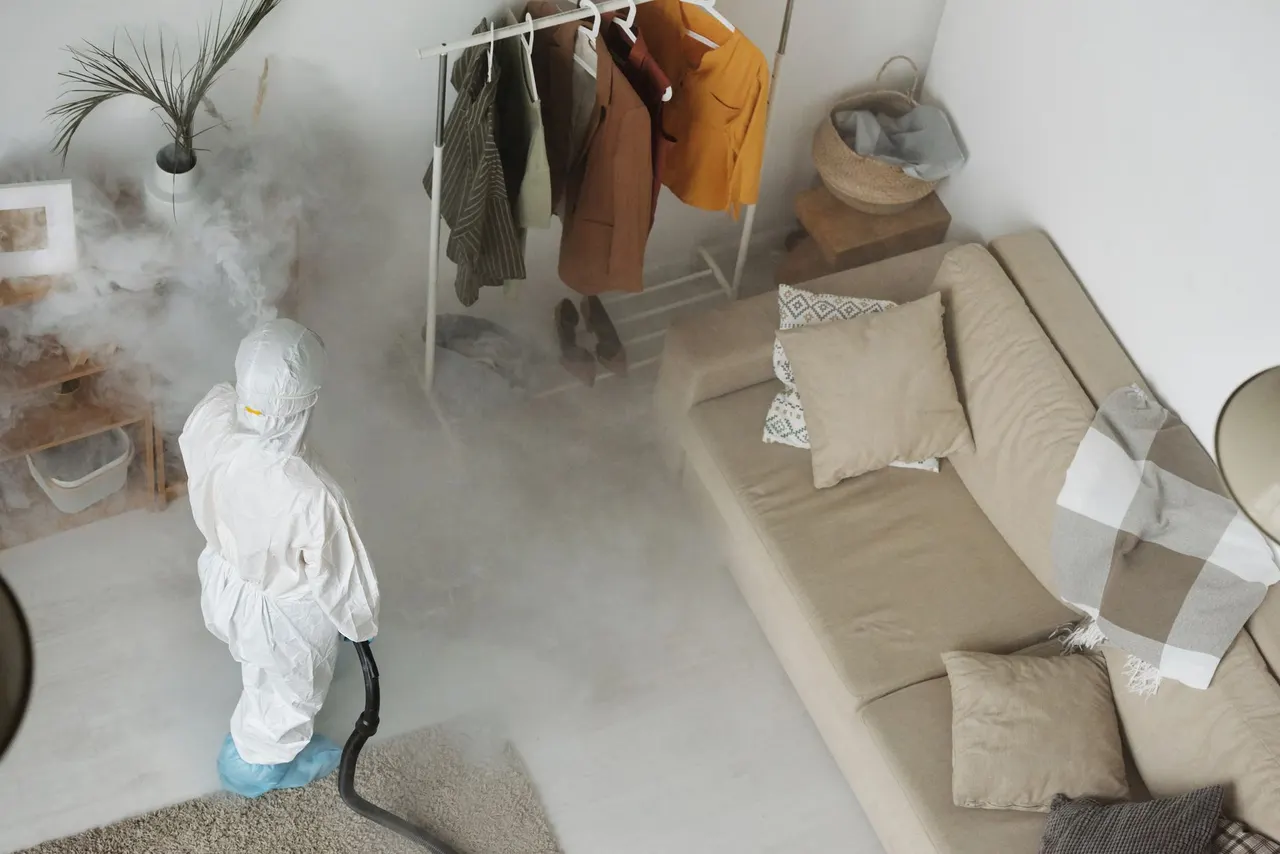
General pest control helps Detroit property owners address several pest pressures under one coordinated plan. If ant trails appear alongside other insect activity, we inspect each problem separately and choose suitable treatments. Your home receives a practical prevention plan for entry gaps, moisture, and food access rather than an assumption that one product solves every pest issue.
View serviceAnt activity and rodent signs can share access points around foundations, utility lines, and stored food. Rodent control addresses a rodent infestation with inspection, exclusion, and appropriate traps or monitors. We identify which issue is active in your Detroit property and avoid confusing small ant debris or trails with evidence of a different pest.
View service
Mice can enter through openings far smaller than many homeowners expect, while ants follow narrow gaps around the same building features. Mice extermination focuses on rodent access and activity; ant work follows insect trails and colonies. If you see both in a Detroit basement or pantry, we can inspect each route and recommend the correct treatment.
View service
Rat removal is appropriate when you find larger droppings, gnawing, or activity near refuse and exterior openings. Ant treatment addresses a separate insect problem, but both inspections can reveal gaps and sanitation concerns around your property. Our Detroit technicians distinguish the signs and choose control methods suited to the pest rather than treating symptoms alike.
View service
Call Aardvark Motown Pest Control at (313) 879-5917 to discuss insects, rodents, bed bugs, termites, or wildlife at your property. Our regular phone hours are Monday through Friday, 8:00 a.m. to 6:00 p.m.; leave a message outside those hours and include your Detroit neighborhood and the pest activity you noticed. We will respond during business hours.