Focused arrival windows
Useful updates and clear arrival timing.
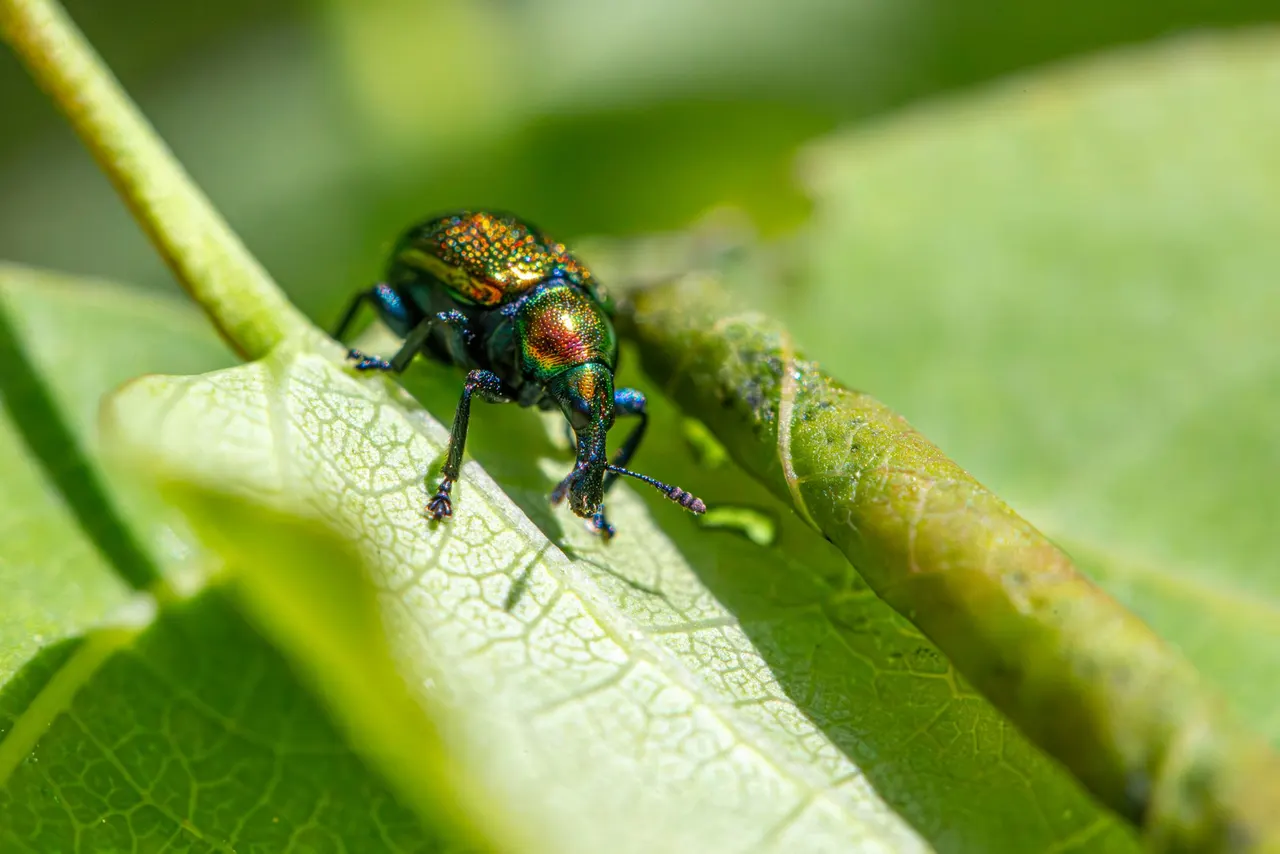
Pest Control in University District starts with finding how pests enter, where they nest, and what will stop them returning. Our team works around the district's historic homes and tree-lined streets, from Livernois Avenue toward Palmer Park. University District Pest Control for mice, ants, roaches, and wildlife begins with a focused inspection, followed by a plan suited to your building and household.
Useful updates and clear arrival timing.
Review the approach and price before deciding.
Equipped vehicles and respectful cleanup.
Neighbors serving neighbors with follow-through.
Pest Control in University District is a property inspection and treatment service that identifies pest activity, addresses entry points, and reduces the chance of recurring infestations. Aardvark Motown Pest Control serves homes and businesses across University District, including properties near University of Detroit Mercy and Marygrove College. The area's older housing stock calls for careful checks around foundations, utility penetrations, rooflines, and basement spaces rather than a one-size-fits-all spray. We check what is happening before choosing a treatment.
Our technicians serve University District alongside nearby Sherwood Forest and Palmer Woods, with access routes oriented around Livernois Avenue and Seven Mile Road. A rodent infestation in a detached garage needs a different plan from a cockroach infestation in a shared apartment building. We identify the pest, inspect likely harborage areas, and explain the recommended work and treatment precautions. Aardvark Motown Pest Control has served customers since 1980, bringing 46 years in business to a service area within Wayne County, Michigan. We work with you to set practical next steps for your property.
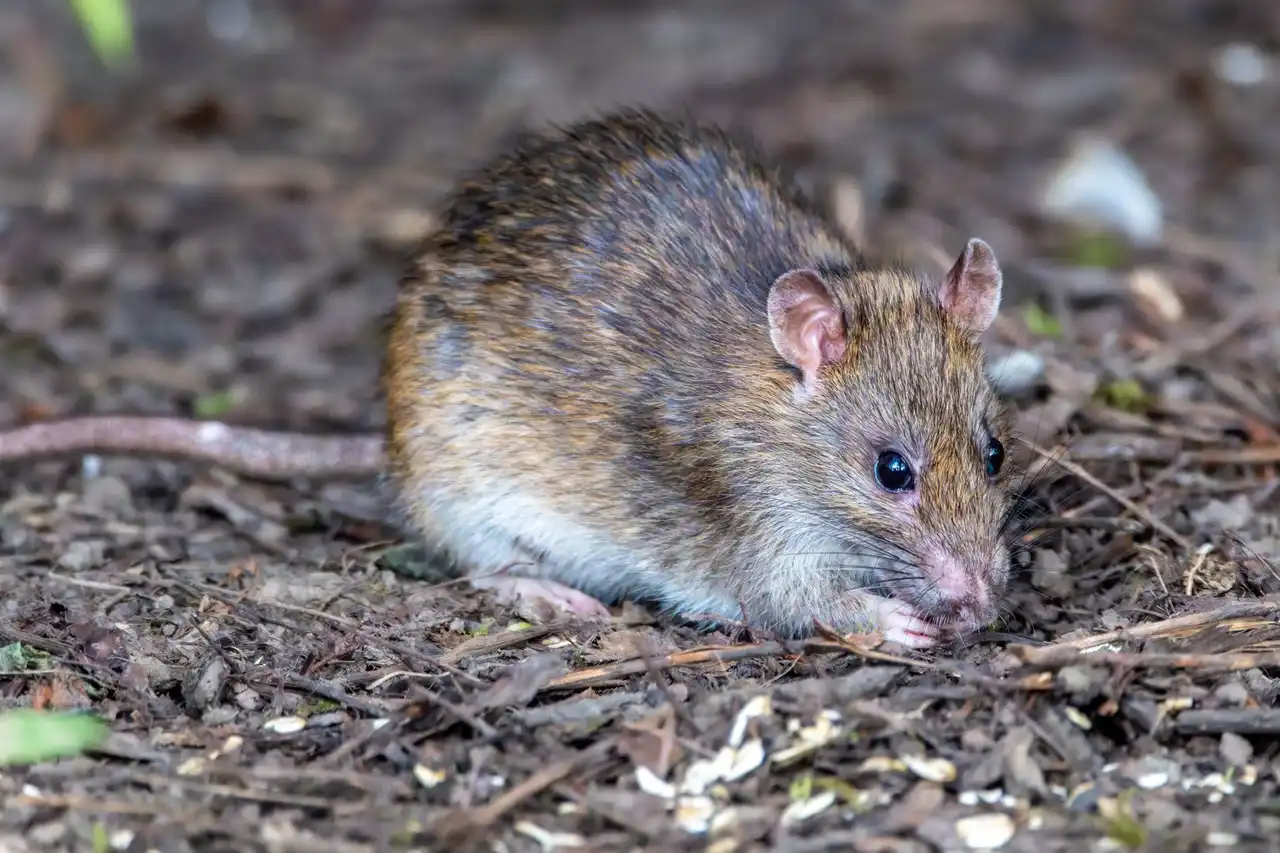
Pest concerns in University District range from mice in basement storage to ants crossing kitchen thresholds and stinging insects near eaves. Older housing stock can have more than one possible entry point, so our inspection checks the building as well as the visible pest. If you are looking for affordable pest control in University District, we match the treatment to the pest, the size of the affected area, and the conditions we find rather than applying the same method everywhere.
For University District homes, we inspect kitchens, basements, entry points, and exterior foundations before treating for the pests present. A visit near Livernois Avenue might involve a kitchen ant trail, while another property needs attention around a basement sill. We select products and placement for the specific pest and household, then explain what to watch for after treatment.
View service →02Rodent Control in University District starts with tracing droppings, gnaw marks, or sounds to likely travel routes. Our team checks foundation gaps, garage edges, and utility openings common to older properties. We use appropriate bait stations or traps and identify exclusion work, so you address both current activity and the access point rather than relying on a trap alone.
View service →03Mice can enter through small openings around pipes, door sweeps, and basement windows. In University District, our technicians inspect those locations along with cupboards and storage areas where you have seen signs. We place traps strategically, remove accessible food or nesting conditions through practical recommendations, and show you the gaps that need sealing to limit repeat entry.
View service →04Rat activity needs a careful inspection of the building perimeter, waste storage, crawlspaces, and outbuildings. We identify active routes before placing secure control devices and discuss access points with you. For University District properties, this is especially important where a detached garage or basement gives rodents shelter. We check results and adjust the plan based on activity.
View service →05A cockroach sighting in a kitchen or bathroom deserves a search for hiding places, moisture, and food access. Our University District service checks behind appliances, under sinks, and along cabinet seams, then selects targeted baits or other appropriate products. We explain sanitation and preparation steps that help treatment reach the infestation, including what to do in shared-wall housing.
View service →06Ant Control in University District follows the trail back toward the entry point or nest instead of treating only the ants you see. We inspect window frames, foundation edges, kitchen counters, and exterior planting borders. Treatment depends on the ant and site conditions; bait placement is often more useful than a broad application when a defined trail is active.
View service →07We check webs, basement corners, garages, and exterior openings to understand why spiders are appearing indoors. For University District homes with porches and older window frames, reducing access and nearby insect activity can be part of the plan. We remove accessible webs, apply targeted treatment where appropriate, and point out sealing or housekeeping steps that help reduce harborage.
View service →08Bed Bug Treatment begins with checking mattress seams, bed frames, upholstered furniture, and nearby cracks for signs of activity. We treat University District residences with a plan based on the rooms affected and the condition of the infestation. You receive preparation instructions before work and guidance on monitoring afterward, so treatment does not stop at the first visible bug.
View service →09Heat treatment requires access to the affected rooms and careful preparation of belongings and furnishings. Our team assesses the infestation and property layout in University District before explaining whether heat is an appropriate option. During treatment, equipment and monitoring help bring target areas to the required conditions; follow-up checks help identify any continuing activity.
View service →University District Pest Control begins with a site walk, not a blanket application. We ask what you have seen and when, then inspect likely routes at the foundation, basement, porch, roofline, and utility openings. Older housing stock can have layered repairs, so we check how openings connect before recommending exclusion or treatment. For a same-day pest control University District MI request, call with the pest, location, and any immediate safety concern; we will explain the next available service step. Michigan's freeze-thaw shifts and wet spring periods can expose gaps or leave standing water around a property. We adapt the inspection to the season and building. A typical residential inspection takes 30 to 60 minutes; treatment time depends on access and the pest. Our technicians use targeted placements, including bait stations where suitable, and follow product labels and applicable safety requirements. We discuss access, pets, and re-entry instructions before work, and leave you with the findings and practical prevention steps.
A mouse may travel behind stored items or along pipes before appearing in a kitchen. If the route is missed, a trap placed at the sighting alone may not address the entry point or other activity. We inspect the basement perimeter, pipe openings, door edges, and nearby storage. We place traps on identified routes, explain which gaps need sealants or exclusion screens, and check for signs after treatment. You get a clear division between pest control work and any building repair.
Older trim, porch framing, and roof edges can create small sheltered gaps. Applying product without locating the access point can leave insects or wildlife using the same route and may put treatment where it is not needed. We inspect the specific opening and choose a method appropriate to the pest and surface. Where exclusion is suitable, we discuss sealants, screening, or repairs that preserve ventilation and drainage. We avoid blocking a suspected wildlife route until the animal situation is assessed.
After rain, containers and low areas can hold water; leaf litter and dense ground cover can also make inspection less direct. These conditions can affect where mosquitoes or ticks are encountered around a household's outdoor space. We walk the areas you use, point out water-holding items, and recommend removal or drainage where practical. If treatment is appropriate, we target suitable zones and explain its limits. You can help by checking containers weekly and keeping a record of recurring activity.
Pesticide use must follow the product label and applicable Michigan requirements, including restrictions on where and how a product is applied. We select treatment for the target pest and site, explain precautions, and do not substitute an off-label use for a proper inspection.
Federal pesticide labels specify permitted sites, application directions, and safety precautions. Our service follows the label for the product used, including any re-entry or handling instructions relevant to your home, pets, and occupants.
University District's older housing stock and Michigan's cold winters shape the pest issues residents report. Rodents seek sheltered spaces as temperatures fall, while spring rain and summer warmth can increase outdoor insect activity. These are seasonal patterns, not proof of an infestation at any one address. A neighborhood inspection checks the building, surrounding conditions, and signs you have actually found. University District exterminator service should start with identification and a treatment plan suited to the structure.
Older basements and repairs made over time can leave openings around pipes, doors, or foundation edges. As temperatures drop, mice and rats look for shelter, food, and nesting material. Droppings near a wall or repeated sounds can reveal a route that is not obvious from the main living area. We trace activity around the basement, check likely travel routes, and identify access points. Traps or bait stations are selected for the conditions and placed with household safety in mind. We explain which gaps need sealing and recommend a follow-up check based on the signs found.
Warm weather brings more visible ant foraging, and small frame or foundation gaps can provide a path indoors. Food residue and moisture make kitchens attractive, but the trail's direction is more useful than the number of ants on one counter. Different ant species require different treatment choices. We identify the ant when possible, follow the trail, and inspect the nearby exterior and interior entry points. Targeted baits or other appropriate treatment address activity at its source. We also point out moisture or food access to correct so the trail is less likely to return.
A damaged vent, loose soffit, or gap at a roof edge can give squirrels, raccoons, or bats access to sheltered attic space. Tree-lined streets and varied roof designs make each property's route different. Scratching, noises, and disturbed materials help narrow the inspection area but do not identify the animal alone. We inspect the roofline and attic access, confirm signs, and plan removal before sealing an active route. After the animal is out, we recommend appropriate exclusion materials and check the opening. The sequence protects against trapping an animal inside and helps prevent another entry.
During warmer months, wasps and hornets may build nests in sheltered eaves, porch roofs, or sheds. A nest near a door or frequently used path increases the chance of a close encounter. The nest's size, position, and insect type affect how safely it should be handled. We identify the insect and inspect the nest location before selecting removal or treatment. Keep people and pets away from the flight path until service is complete. We explain when the area can be used again and check whether nearby gaps or sheltered cavities could support another nest.
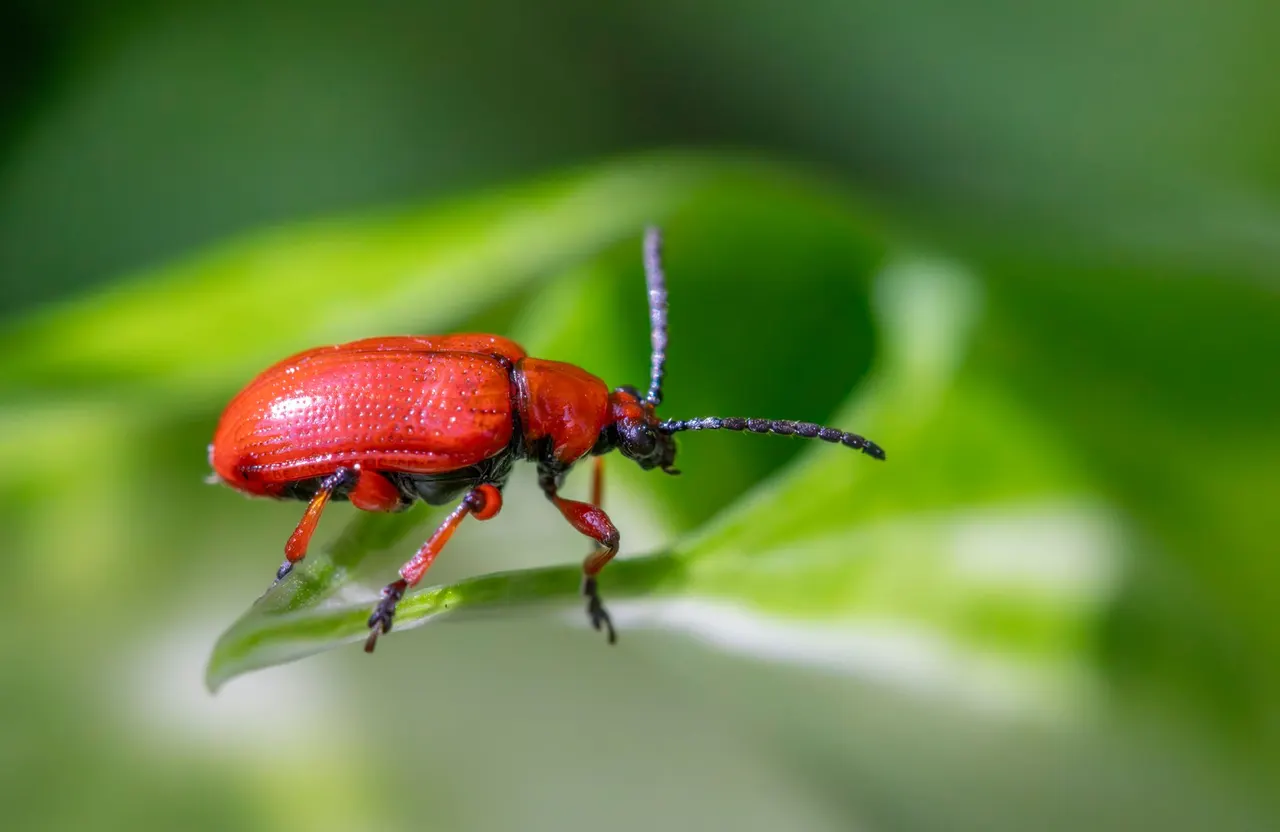
Typical 2026 pricing for Pest Control in University District depends on pest type, the size of the affected area, access, and whether the job needs a return visit. A focused inspection may take 30 to 60 minutes. As a planning range, a one-time treatment for a limited insect issue often falls around $150 to $350, while a rodent program with monitoring and exclusion recommendations may run $250 to $700. Larger infestations, multi-unit coordination, and wildlife work require a property-specific assessment. University District Pest Control is priced around the work needed, not a promise of one flat rate for every building. We explain the price before starting.
A small, isolated ant trail usually takes less labor and material than a widespread cockroach infestation or a rodent problem involving several rooms. We inspect affected spaces and signs first, then match the treatment plan to the activity and the level of follow-up required.
Basements, finished walls, attic spaces, detached garages, and shared apartment areas change how long inspection and treatment take. Older University District properties can have concealed routes, so difficult access or multiple entry points may add labor compared with an open, easy-to-reach area.
Traps or treatment address active pests; sealing access and checking results can require additional work. The number of openings, size of the affected zone, and need for monitoring determine the final plan. We identify those tasks and explain the cost before work begins.
We use recognizable University District landmarks to orient travel, then navigate to the exact service address you provide. University of Detroit Mercy and Marygrove College help distinguish the neighborhood's wider north Detroit location, while Livernois Avenue and Seven Mile Road serve as practical street references. Palmer Park is another familiar point for confirming the general area. These references help with directions; they do not replace your street number, entry instructions, or details about where the pest activity is located.
The university is a recognizable orientation point in north Detroit. Giving its name alongside your street address can help clarify the general location before the technician follows the address to your property.
Marygrove College is a familiar local reference for describing the University District area. It helps establish the general direction of a visit, while the service address remains necessary for reaching the correct home or building.
Palmer Park is a useful geographic reference when discussing the surrounding north Detroit area. It can help orient a route, but it is not a substitute for the property's street address or access instructions.
Livernois Avenue is a major local street and a recognizable corridor for businesses and neighborhood travel. It provides a practical route reference when discussing an address in or near University District.
Seven Mile Road is a major east-west street used to orient travel across this part of Detroit. It helps identify the general area when confirming a service address and arrival route.
This arterial street is a practical approach and orientation route for University District addresses; the final route depends on the property's exact block and entrance.
Seven Mile Road offers an east-west reference for reaching the neighborhood. We use the confirmed service address for the last turn and property access.
Our University District service area includes residential streets around the neighborhood and connects naturally with Sherwood Forest and Palmer Woods. Each property gets an inspection based on its own construction, access, and pest history. We use nearby landmarks and major streets to orient arrival, then confirm the correct entrance, parking, and affected area with you before starting work.
The district's historic homes and family-oriented neighborhood character mean our visit often involves checking basements, porches, garages, and older exterior trim. We adapt the inspection to your property rather than assuming every home has the same entry points or pest history. We orient around Livernois Avenue and Seven Mile Road, then use your address and access notes to reach the correct property.
Sherwood Forest shares the area's established residential character and older housing stock. Our inspection checks the specific structure, with attention to basement openings, roofline access, and outdoor areas where you have seen activity. The treatment plan follows evidence at your home. The nearby neighborhood is part of our north Detroit service pattern; call with the address for routing and scheduling.
Palmer Woods contains distinctive residential properties where building details and grounds vary from one address to another. We assess actual pest evidence, likely access points, and the household's use of the property before selecting an approach for rodents, insects, or wildlife. We use the neighborhood name and street address to plan arrival, then confirm driveway or entrance access with you.
Properties near Palmer Park have varied layouts and outdoor spaces, so exterior inspection needs to reflect the individual lot rather than assumptions about the area. We check foundation edges and likely shelter points when they relate to the reported pest activity. Palmer Park provides a familiar orientation point; our team follows the service address for the final approach.
Every pest job depends on what inspection confirms, so the examples below illustrate common work patterns rather than a promise that every property needs the same treatment. In University District, we focus on the route, source, and building conditions behind the complaint. Your technician explains findings and adjusts the plan to the actual pest evidence and access available.
A homeowner near Livernois Avenue reported mouse droppings in a basement storage area and scratching sounds along a utility wall. We inspected the basement perimeter, checked pipe openings and the door sweep, and traced likely travel along the utility wall. We placed snap traps at identified routes and showed the homeowner two openings to seal. The visit also included guidance on keeping stored items off the floor so future signs would be easier to spot. The homeowner reported no new droppings at the checked locations after 14 days. The two identified gaps were sealed, and the trap check showed no further activity during the follow-up period.
A resident on a University District block found ants repeatedly crossing a kitchen counter despite wiping the visible trail each evening. We followed the trail to a window-side entry, checked the adjacent exterior foundation, and selected targeted bait placement. We explained why spraying the trail could interfere with bait activity and asked the resident to keep the placement undisturbed. The inspection also identified a small gap at the frame for sealing. The resident observed a marked decline in trail activity within 7 days. After the frame gap was sealed, no new indoor trail was reported during the next 3 weeks.
A household near Palmer Park heard movement above a bedroom and found signs of an animal at a roofline opening. We inspected the roof edge and attic access, checked the likely route, and identified wildlife activity before planning removal. We did not close the opening immediately; the sequence accounted for the animal's exit and then called for exclusion at the access point. The homeowner received a clear list of follow-up checks for the eave. The access point was secured after removal, and the homeowner reported no further attic sounds over 21 days. The repair check confirmed the identified opening was covered.

We called after finding mice in the basement of our University District home. The technician checked behind the stored boxes, found the route near a pipe, and explained where traps and sealing would help. We appreciated that the visit focused on the actual entry point instead of treating the whole house without explanation.
Ants kept appearing beside our kitchen window. The technician followed the trail, showed us the likely gap, and placed bait where our children would not disturb it. We got practical instructions and saw the activity drop over the following week. The service felt specific to our older home near Livernois Avenue.
We heard scratching in the attic and worried about damage. The team inspected the roof edge, explained the animal access point, and gave us a sensible removal and exclusion sequence. They checked before closing the opening and left us knowing what to watch for. It was useful local help near Palmer Park.
As November brings colder conditions to University District, rodents seeking indoor shelter become a practical concern; check basement doors, pipe openings, and garage edges now. Winter activity often shifts indoors, while spring thaw reveals gaps and standing water. Summer brings more visible ants, mosquitoes, and stinging insects, and fall sends wildlife and rodents toward protected spaces. If you need 24/7 pest control University District near me, call with the pest and location so we can discuss an appropriate response.
Thaw and spring rain can expose foundation gaps, leave water in containers, and make ants more visible indoors. Check basements and window wells after heavy rain. As temperatures rise, wasp activity may begin around sheltered roof edges and porch structures.
Warm weather increases mosquito, ant, flea, and stinging-insect activity. Outdoor gatherings can make a nest near a porch or doorway an immediate concern. Standing water in containers can support mosquito breeding, while pets may bring fleas or ticks indoors.
As nights cool, mice and other wildlife look for shelter in garages, basements, and attics. Leaves can hide foundation gaps or animal access points. Keep an eye out for fresh droppings, gnaw marks, or new sounds above ceilings before the building is closed up for winter.
Rodents are more likely to be noticed inside as outdoor conditions turn cold. Activity may show up in pantry storage, basement corners, or utility spaces. A warm attic can also conceal wildlife, so repeated scratching or damaged screening deserves inspection.
University District is one part of Aardvark Motown Pest Control's broader Detroit service region. Our routes connect neighborhood appointments with other parts of the city, allowing customers to find the right local service page for their address. If a property sits outside University District, use the city or neighborhood link below to see related coverage and contact our team with the exact location.
Downtown Detroit is a separate central-city service area; customers can use its page for location-specific coverage and address details.
Local coverage and details
Midtown Detroit lies south of University District within the same Detroit service region, with a separate page for local pest needs.
Local coverage and details
Corktown is another Detroit neighborhood in the company's service area; consult its page for location-specific information.
Local coverage and details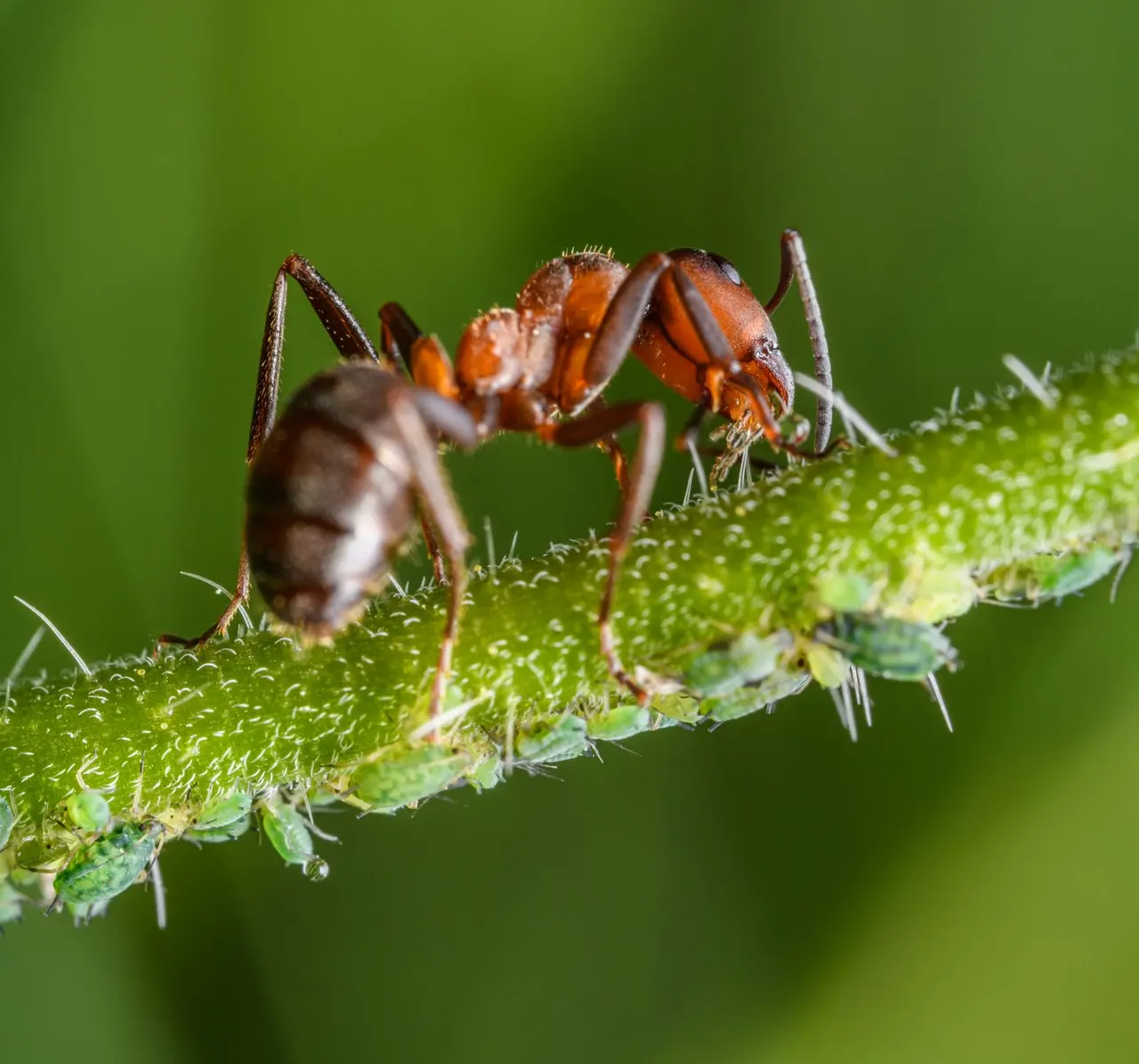
Mexicantown is served as part of the wider Detroit region and has its own location page for service details.
Local coverage and detailsThe right University District pest contractor can explain what was found, why a treatment fits, and how your household should prepare. Ask how the inspection will cover your building, what products or devices may be used, and what follow-up looks like. A clear answer should be specific to your pest and property, not a sales pitch that promises the same result for every house. Our team will walk you through the work before we begin.
A treatment that ignores the route can leave the cause untouched. Ask whether the technician will check relevant areas such as foundation edges, pipe openings, rooflines, or door sweeps. The answer should explain which locations fit your pest and how exclusion or monitoring could help.
Different pests and locations call for different methods. A sound answer identifies the target, treatment placement, and safety directions, including any label-based precautions for pets or occupants. Be wary of a plan that starts with a broad application before anyone confirms what pest is present.
Preparation can affect access and treatment results, especially for bed bugs, kitchens, and storage areas. You should receive practical instructions for the rooms involved, not vague demands to clear the entire home. Ask what needs moving, cleaning, covering, or keeping accessible.
A follow-up plan shows how the contractor will judge progress rather than relying on a single visual impression. Ask what signs to monitor, when traps or monitors will be checked, and what would trigger an adjustment. The answer should fit the pest's life cycle and treatment method.
Pesticide application is subject to Michigan requirements and product-label directions. Ask about the applicator's relevant credentials, how products are chosen, and what safety guidance you will receive. A qualified provider should answer plainly and connect the treatment to your specific site.
National Pest Management Association
National Pest Management Association
General liability coverage for pest control operations
Member
Participant
A limited insect treatment often runs about $150 to $350, while rodent control with monitoring may range from $250 to $700. Typical 2026 pricing depends on the pest, affected area, access, and follow-up. We inspect your University District property and explain the price before work starts. Extensive infestations, wildlife removal, or multiple units require a plan based on the actual conditions.
Choose a provider that identifies the pest, inspects likely entry points, explains treatment and safety steps, and follows Michigan requirements. Aardvark Motown Pest Control has operated since 1980, serving Detroit properties including University District. Ask how the company will handle your specific issue, whether it is a basement rodent route, an ant trail, or activity in a shared building.
You need an inspection when you find repeated droppings, a persistent insect trail, bed bug evidence, structural pest damage, or animal entry signs. A single outdoor insect may not require treatment, but recurring activity inside deserves attention. Residential pest control University District service starts by checking the evidence and property conditions, then matching the response to what is present.
Residents commonly report mice and rats, ants, cockroaches, spiders, bed bugs, mosquitoes, stinging insects, and wildlife in sheltered spaces. Cold winters can drive rodents indoors, while warm months bring more visible insect activity. The pest at your address still needs identification; droppings, trails, nest signs, and damage help us determine the right inspection and treatment.
Compare inspection methods, Michigan pesticide credentials, treatment explanations, safety instructions, follow-up plans, and clear pricing. Ask whether the company checks how pests enter, not just where they were seen. For same-day pest control University District MI, describe the pest and location when calling; availability depends on the service schedule and the urgency of the reported risk.
Not seeing your question? Our local team can help you understand urgency, scheduling and what to expect.
Ask the local team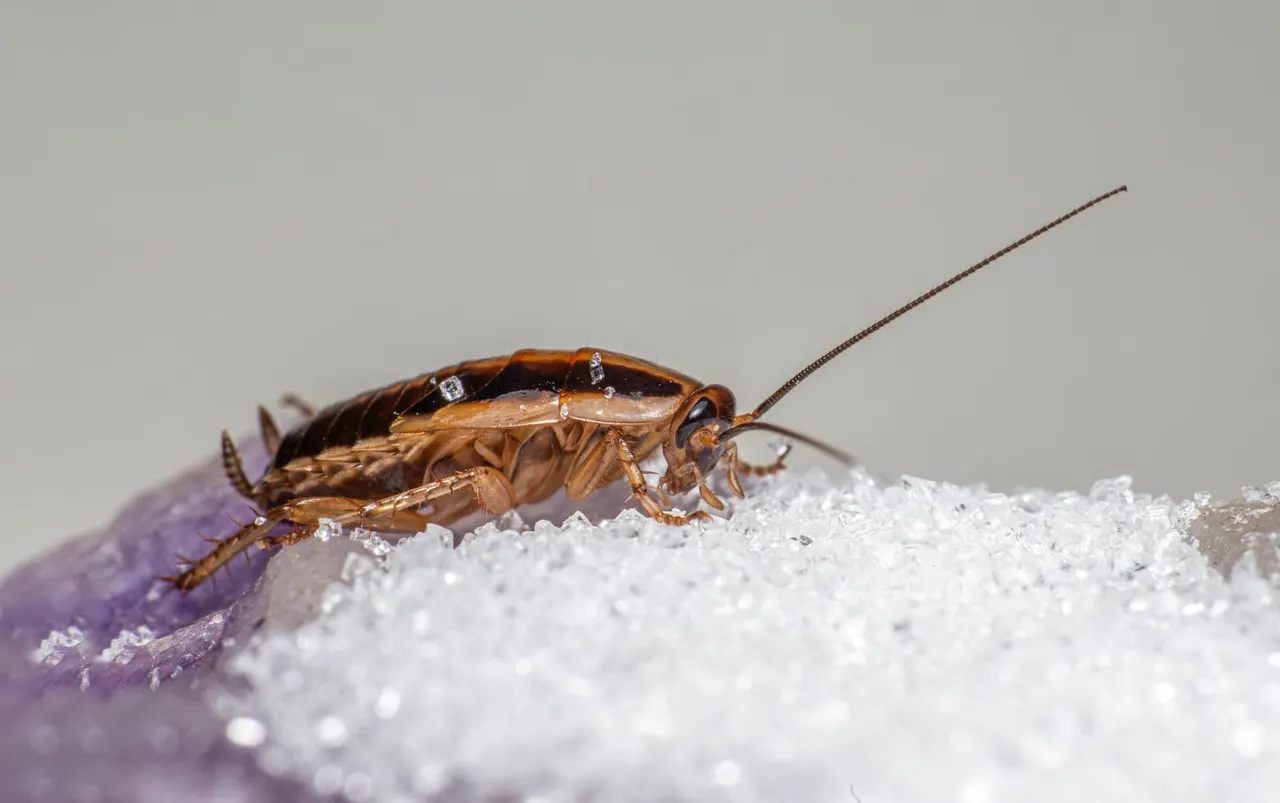
Call Aardvark Motown Pest Control at (313) 879-5917 to discuss insects, rodents, bed bugs, termites, or wildlife at your property. Our regular phone hours are Monday through Friday, 8:00 a.m. to 6:00 p.m.; leave a message outside those hours and include your Detroit neighborhood and the pest activity you noticed. We will respond during business hours.