Focused arrival windows
Useful updates and clear arrival timing.
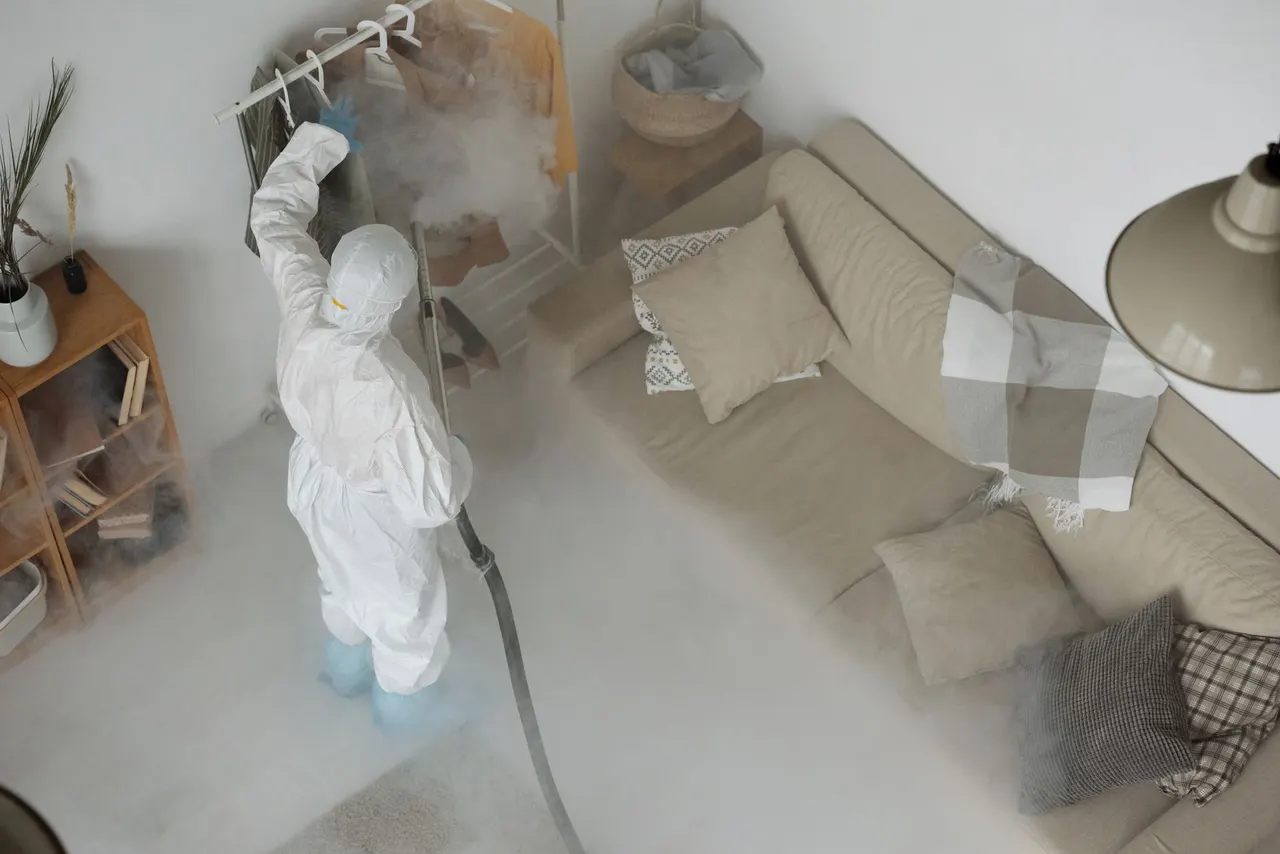
Pest Control in TechTown should account for the way offices, labs, apartments, and older buildings share walls, loading areas, and service corridors. Our team handles rodent activity, crawling insects, bed bugs, and seasonal pests with inspections built around the property and the issue you report. TechTown Pest Control from Aardvark Motown Pest Control serves the TechTown Detroit area and nearby New Center, with clear next steps for residential and commercial customers.
Useful updates and clear arrival timing.
Review the approach and price before deciding.
Equipped vehicles and respectful cleanup.
Neighbors serving neighbors with follow-through.
Pest Control in TechTown is a property inspection and treatment service that identifies, reduces, and helps prevent pest activity in homes and workplaces. In TechTown, a property may be an office or lab in an innovation district, a mixed-use development, or a residence in the surrounding New Center area. Our technicians start by locating entry points, food and water sources, and the places pests travel before selecting a treatment. The plan for a rodent infestation differs from the plan for a cockroach infestation; applying the same product everywhere is not a fix. We serve TechTown and nearby Milwaukee Junction in Wayne County, including properties around the 48202 and 48201 ZIP code areas. Commercial Pest Control visits can be coordinated around access procedures and operating hours. For a home, we focus on the rooms, utility openings, and exterior gaps you identify. You get practical findings, treatment options, and prevention steps tied to the building rather than a generic route sheet.
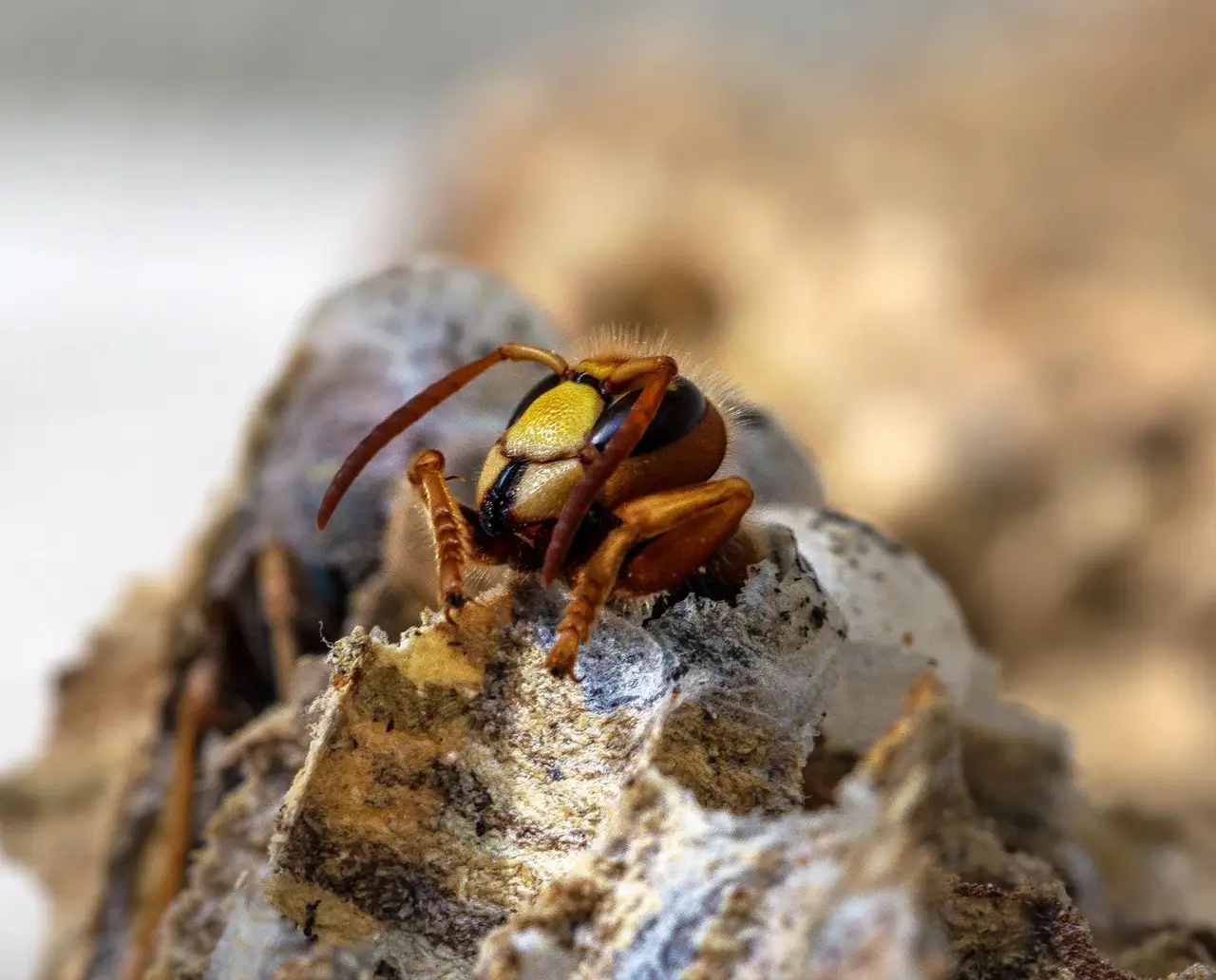
TechTown's blend of workspaces, homes, and shared building systems calls for more than a quick spray. We inspect the affected room and connected spaces, identify entry routes, and match treatment to the pest and setting. For an innovation district with offices and labs, we coordinate around access rules and sensitive equipment; for residences, we focus on kitchens, basements, and utility penetrations. If you are searching for affordable pest control in TechTown, tell us what you have seen and where. That helps us prepare a focused inspection instead of treating areas without evidence.
For a recurring insect issue in a TechTown office, apartment, or home, we inspect entry points and activity areas before applying targeted treatment. Your visit can include monitoring and practical prevention steps, such as reducing gaps around utility lines. We select products and placement based on the pest and the occupied space.
View service →02Rodent Control in TechTown starts with checking wall edges, storage areas, door sweeps, and exterior access routes. In buildings near shared alleys or loading areas, our team looks for evidence that helps separate an isolated mouse from a continuing rodent infestation. We use suitable traps and exclusion recommendations, then explain what to monitor.
View service →03A mouse sighting in a TechTown office kitchenette or apartment cabinet can point to a route behind walls or appliances. We inspect droppings, rub marks, and openings, then place snap traps or enclosed bait stations where appropriate. You receive guidance on food storage and sealing gaps so the control plan addresses access as well as activity.
View service →04Rat Removal addresses larger rodents entering through exterior gaps, utility openings, or poorly sealed service doors. In TechTown commercial buildings, we check accessible perimeter areas and interior travel paths, then choose control measures appropriate to the site. We also identify structural openings that need repair, because trapping alone does not close an entry route.
View service →05Cockroach Extermination in TechTown focuses on kitchens, break rooms, plumbing voids, and warm equipment areas. We look for harborages and moisture before placing gels, monitors, or other targeted materials. In multi-unit properties, we consider adjacent spaces and shared plumbing routes so your treatment plan accounts for how the building is used.
View service →06When ants appear along a TechTown window, counter, or foundation edge, we trace the trail and identify likely access points before treating. The approach can include bait placement and sealing guidance, rather than simply spraying the visible line. We adapt the work to occupied offices, apartments, and homes, with attention to food preparation areas.
View service →07Spider Control includes checking corners, storage rooms, window wells, and less-disturbed areas where webs or egg sacs appear. In TechTown buildings, our team also looks for the insects spiders feed on and any exterior gaps that provide access. We remove accessible webbing and use treatment only where the inspection supports it.
View service →08Bed Bug Treatment begins with a focused inspection of mattress seams, bed frames, upholstered furniture, and nearby hiding places. If you have bites or spotting in a TechTown residence or workplace, we identify the signs before recommending treatment. Preparation instructions are specific to the rooms involved, helping you avoid unnecessary disruption to other spaces.
View service →09Bed Bug Heat Treatment uses managed heat to reach bed bugs in identified treatment areas, including accessible furniture and room contents. Before service, we inspect the affected TechTown space and explain preparation and re-entry instructions. Heat is not a substitute for careful coverage; our plan accounts for room layout, furnishings, and likely harborages.
View service →TechTown Pest Control starts with a site-specific inspection, not a predetermined chemical application. Our technician checks the reported room, likely travel routes, exterior gaps, and shared service areas, then explains where traps, baits, monitors, or exclusion work make sense. Michigan's freeze-thaw cycles and wet periods can expose gaps around doors and foundations; older masonry and newer mixed-use construction each call for a different inspection path. For a same-day pest control TechTown MI request, call early with the pest, address, and access details so we can assess scheduling. We coordinate with property contacts when a visit requires elevators, loading access, or lab and office protocols. Treatment follows product labels and applicable rules, and we give you re-entry or preparation directions relevant to the work. Where activity is not confirmed, we use monitoring rather than treating without evidence.
A pest seen in one TechTown unit or office may be using a pipe chase or shared wall void. Treating only the sighting location can leave the route intact, while access to adjacent spaces may require coordination with a building manager. We record the reported location, inspect accessible penetrations and adjacent indicators, and discuss access with your property contact. Monitoring helps establish direction of travel. We then target the confirmed route and recommend sealing suitable gaps after treatment, rather than applying product indiscriminately across occupied rooms.
Deliveries and regular entry can complicate exclusion and make it harder to keep doors closed. A commercial building also has different access needs from a private home, particularly around staff hours and equipment. We inspect door sweeps, loading edges, and nearby activity signs, then recommend repairs or operating changes that are practical for the site. Treatment placement stays clear of normal traffic where possible. We coordinate service access with the person responsible for the building so work does not interrupt essential operations.
As temperatures fall in Detroit, rodents may seek warm interior shelter. Freeze-thaw movement and weather exposure can make small openings around foundations, doors, and service lines more noticeable, while stored materials can obscure evidence. We check likely exterior access and interior signs, use appropriate traps or enclosed stations when warranted, and identify openings for repair. You receive a prioritized list of practical corrections. Monitoring and follow-up checks help determine whether activity has stopped before the issue is considered resolved.
Pesticide use in TechTown must follow Michigan requirements and the product label, including directions for use and precautions for occupied spaces. Our technicians select applications based on the pest and site conditions, and explain relevant access or re-entry instructions before you resume use of a treated area.
Registered pesticide products must be used according to their approved labels, including application sites, rates, and safety directions. In TechTown offices, homes, or food-related spaces, we match the labeled use to the treatment area and avoid off-label application. The label governs the work.
TechTown properties face the same Detroit seasonal shifts as the wider city: cold winters, warm humid periods, and freeze-thaw weather that tests exterior seals. The district's mix of commercial buildings, offices and labs, apartments, and mixed-use developments creates varied access conditions rather than one standard building type. Rodent activity in alleys is a local signal to inspect boundaries and service doors, not proof that every nearby property has an infestation. Our team checks evidence at the building itself and selects TechTown Pest Control methods to match what is present.
Shared service areas, frequent deliveries, stored materials, and small gaps can make exterior boundaries important inspection points. Cold weather can increase shelter-seeking, while door use can compromise a close seal. The signs must be confirmed at the property; an alley location alone does not establish an infestation. We check for droppings, rub marks, gnawing, and openings along accessible routes, then place traps or enclosed stations where appropriate. We identify practical exclusion work, such as repairing a door gap, and record monitoring points so follow-up checks can measure fresh activity.
Food residue, moisture, warm equipment, and plumbing penetrations can give cockroaches shelter and access in offices or apartments. Shared walls and service chases can complicate the source. A sighting in one room is a reason to inspect nearby conditions, not a basis for treating every unit automatically. We inspect likely harborages, use monitors to understand activity, and apply targeted products when findings support them. You receive guidance on moisture, food storage, and access points. In a managed property, we coordinate with the contact responsible for adjoining spaces if evidence indicates a shared route.
Outdoor conditions shift through spring and summer, and ants may enter buildings while foraging for food or water. Small gaps around windows and utility penetrations can provide access. Repeated activity often persists when the trail, attractant, or entry point remains undisturbed. We follow the trail to its likely access point, check for food or moisture sources, and use targeted bait or treatment as appropriate. Sealing suitable gaps and storing food securely support the control work. We avoid treating a broad area when the evidence points to a specific route.
Bed bugs can be carried in on belongings and furnishings, so activity is not a sign of poor housekeeping. Close occupancy and shared furnishings can make prompt identification important. Bites are not conclusive by themselves; physical evidence near beds and seating is more useful for diagnosis. We inspect seams, frames, upholstery, and nearby hiding areas before recommending a treatment. If heat treatment is appropriate, we explain preparation and room coverage. You should avoid moving potentially affected items between rooms and follow the service directions for handling bedding and furniture.

Typical 2026 pricing in this area depends on the pest, property size, evidence, and access needed. A focused inspection or limited treatment may run about $150-$300; a broader rodent or insect control visit often falls around $200-$600. Bed bug work, wildlife removal, and multi-unit or commercial plans can cost more because they need additional inspection, preparation, equipment, or follow-up. We explain the price before work begins, and one upfront pricing discussion is enough to establish the agreed service. For TechTown Pest Control, tell us whether you are calling about a home, apartment, office, lab, or receiving area; that detail helps us understand the likely scope. The figures are practical ranges, not a guaranteed quote for every property.
A single ant trail generally takes less work than a confirmed bed bug infestation or a recurring rodent problem. Materials, inspection time, and follow-up needs differ. In TechTown, we base the price on the pest found and the treatment steps appropriate to that property.
A small apartment with a clearly identified issue requires a different amount of labor from an office floor or multi-unit building. Locked utility spaces, loading access, and coordination with a property manager can add time because the technician must inspect relevant areas safely and thoroughly.
Evidence in several rooms, units, or floors can call for more monitoring and repeat checks than one isolated sighting. A commercial plan may also require service records and scheduled visits. The inspection helps distinguish a contained problem from activity that needs broader attention.
TechTown Detroit is the primary orientation point for this service area. For an appointment, give us the building name, street address, entrance, and any loading or visitor instructions; that information is more useful than a landmark alone. Woodward Avenue provides a recognizable corridor near the district, while the Fisher Building and New Center Park help distinguish nearby New Center destinations. Henry Ford Hospital is another established orientation point in the wider New Center area. We use these references to clarify directions, not to imply service inside a landmark.
TechTown Detroit identifies the innovation district and provides a direct orientation reference when you describe a nearby property. Share the exact building address as well, since a landmark does not replace the entrance or access details needed for a service visit.
Woodward Avenue is a major Detroit corridor and a useful directional reference for locating nearby streets. If your property is close to the avenue, include the cross street and preferred entrance so the technician can identify the correct building.
The Fisher Building is a recognizable New Center landmark that can help distinguish nearby destinations when giving directions. For service, provide the actual property address and any visitor access information rather than relying on the landmark reference alone.
TechTown is an innovation district with offices and labs. Its commercial setting includes workplaces with building access procedures and daily staff activity, so appointment details such as visitor entry and operating hours help plan an inspection.
New Center is a mixed-use Detroit district with commercial, institutional, and residential destinations. Street and building details help identify the correct property among nearby destinations and support clear service coordination.
Woodward Avenue is a key road corridor near the service area. Provide your street address and entrance instructions for accurate routing; a route or arrival time is confirmed when scheduling.
The QLine runs along Woodward Avenue through central Detroit, including the Midtown and New Center vicinity. It is a useful public-transit reference, though service appointments are planned to the property's address.
Our TechTown service area includes the district itself and nearby blocks where work, housing, and commercial properties meet. We serve customers in New Center and Milwaukee Junction, and route visits around building access, parking, and the issue reported. TechTown customers can call about a home, apartment, office, or shared-use property; we use the street address and ZIP to plan the visit and confirm the right service approach. Coverage includes 48202 and 48201, with additional Detroit service-area ZIPs such as 48208.
TechTown's innovation district includes offices and labs alongside commercial buildings and mixed-use developments. If you see droppings near a receiving door or insects in a break room, we inspect both the reported spot and likely access routes, with attention to the site's operating and access rules. We use the street address and building contact to plan access, then route the visit through the TechTown Detroit area.
New Center includes a mix of offices, apartments, and established commercial buildings. Our inspection considers shared utility spaces, storage, and the boundaries between occupied units, which can matter when pest activity appears in more than one room or floor. New Center is adjacent to TechTown, so customers can share access notes and the best entrance when booking.
Milwaukee Junction's commercial and industrial character makes loading areas, storage, and exterior door seals useful inspection points. We adapt a rodent or insect plan to the property layout and take account of how staff, tenants, and deliveries move through the site. We route to Milwaukee Junction from the TechTown service area using the supplied address and property access instructions.
Midtown Detroit sits near TechTown and includes residential and institutional buildings. For pest concerns, our technicians focus on the affected structure and reported evidence rather than assuming a neighborhood-wide cause. Clear coordination matters in properties with shared entrances or managed access. Midtown service can be coordinated with a TechTown visit when route and appointment availability align.
The situations below show how an inspection-led approach works across the kinds of properties found in and around TechTown. Each example is an illustrative service scenario, not a customer testimonial or a claim of a completed named job. The important measures are concrete: what evidence was checked, where controls were placed, and how follow-up monitoring would assess activity. Your technician builds the actual plan around your property and findings.
A hypothetical TechTown office reports mouse droppings beside a kitchenette and a service door used for daily deliveries. We inspect the kitchenette, accessible wall edges, and door threshold, then identify likely access points and evidence locations. Where findings support it, we place enclosed bait stations or snap traps according to site conditions and product directions. We also recommend repairing the door gap and securing food storage. A follow-up inspection checks the monitoring points and whether fresh signs remain. The example plan tracks three measures: activity at each monitoring point, fresh droppings, and the door gap after repair. No result is guaranteed before inspection; the technician uses those checks to decide whether further control is needed.
A hypothetical New Center apartment resident notices cockroaches near a sink and suspects the problem extends beyond one cabinet. We inspect under the sink, plumbing penetrations, appliance edges, and other accessible warm or damp sites. Monitors help establish where activity is concentrated; targeted gel or other labeled treatment is chosen to fit the inspection. We give the resident specific cleaning and access directions and coordinate with the property contact if shared routes need attention. The service record notes the inspected rooms, monitor locations, and any follow-up signs. Rechecking those points gives a clearer measure than counting sightings alone and helps determine whether the treatment plan needs adjustment.
A hypothetical Milwaukee Junction commercial property reports rat activity near a rear receiving area and exterior refuse storage. We inspect the receiving door, perimeter, and accessible interior route for droppings, rub marks, and openings. Suitable traps or enclosed stations are placed where site conditions allow, and we identify sanitation and exclusion corrections for the property contact. The plan keeps staff movement and delivery use in mind while retaining clear inspection points. Progress is checked through the recorded station locations, evidence of fresh activity, and completion of identified entry-point repairs. These indicators guide the next service step; the exact outcome depends on inspection findings and building corrections.

We had mouse signs near our office kitchenette and needed the issue checked without interrupting the whole workday. The technician inspected the door area and the cabinets, explained where the activity seemed to be coming from, and showed us what to change with food storage. The visit gave us a clear plan and specific spots to monitor afterward.
After seeing roaches under the sink in our New Center apartment, we wanted someone to look beyond the one cabinet. The technician checked the plumbing opening and nearby appliances, then explained the treatment and preparation steps in plain language. We appreciated knowing which signs to watch for and where to report any new activity.
Our Milwaukee Junction workspace had rodent activity near a receiving door. The inspection focused on the threshold and the interior route, not just the spot where we saw droppings. We got practical notes about the door gap and monitoring points, which gave our property contact something clear to address after the visit.
November brings colder conditions in Detroit, so our immediate seasonal focus is checking for rodents seeking indoor shelter and gaps around doors, foundations, and service lines. Through winter, indoor evidence can become easier to spot as buildings stay closed and heated. Spring and summer bring more outdoor insect activity, while fall prompts another round of exclusion checks. TechTown's mix of offices, labs, and residences means scheduling and access matter in every season. If you are looking for 24/7 pest control TechTown near me, call to describe the issue; emergency availability depends on the service and route.
As temperatures rise, ants and other insects become more active around foundations, windows, and food areas. Winter damage or movement can expose gaps at thresholds and utility openings. Check for early trails and address standing water before mosquito activity builds.
Warm, humid weather supports increased mosquito and stinging-insect activity, while ants may keep foraging indoors. Outdoor gatherings and more frequent door use can create additional opportunities for pests to enter. Check for nests before working near eaves or entrances.
Cooling nights can bring rodents toward sheltered spaces, making this a useful time to inspect door seals, foundation gaps, and storage areas. Leaves and stored items can obscure exterior signs. In commercial buildings, receiving doors deserve attention as seasonal operations change.
In colder months, mice and rats may remain active indoors where food, warmth, and shelter are available. Closed windows and heated rooms can make activity around kitchens, storage, and utility lines more noticeable. Do not assume cold weather has ended an indoor infestation.
TechTown connects naturally to other Detroit service areas through nearby residential, commercial, and institutional districts. Our wider route coverage includes Downtown Detroit, Midtown Detroit, Corktown, Mexicantown, Greektown, and Eastern Market. If you manage sites in more than one area, tell us the addresses and pest concerns so we can understand whether visits can be coordinated. This regional coverage does not change the inspection: each property gets a plan based on its own building, access, and evidence.

Downtown Detroit is south of TechTown in the same Detroit service region, with route planning based on the customer's street address and appointment access.
Local coverage and details
Midtown Detroit lies near TechTown and shares the broader central Detroit service area; exact travel and scheduling depend on the address and route.
Local coverage and details
Corktown is another Detroit neighborhood served within the same citywide coverage, west of central districts and handled through address-based routing.
Local coverage and details
Mexicantown is part of the Detroit service region; customers with properties there can arrange service separately from a TechTown appointment.
Local coverage and detailsA capable TechTown exterminator should be able to explain what will be inspected, how the treatment fits your property, and what you need to do before and after service. That matters in buildings with shared access, offices and labs, and residences with neighboring units. Ask direct questions about licensing, product use, monitoring, and follow-up. A clear answer should name the work and the reason for it, not promise that one spray will solve every pest problem. Keep the property address and the location of the evidence handy when you call.
A useful answer includes the reported area, likely entry routes, and signs that distinguish active from old activity. For a TechTown property, ask whether the technician will consider shared utility spaces or receiving access where relevant. Inspection first helps prevent treatment from being chosen without evidence.
You should hear how placement fits the pest, occupied rooms, and product label. Ask whether bait stations, monitors, or other controls are appropriate and what access precautions apply. A specific explanation shows that the method is tied to the inspection rather than applied uniformly.
Preparation can differ for a kitchen, apartment, office, or heat treatment. A clear list should identify what to move, clean, or leave in place and explain any re-entry directions. This is especially useful when a property manager must coordinate several occupants or work shifts.
Monitoring locations, follow-up timing, and signs to watch for make progress measurable. Ask what happens if fresh droppings, insects, or other evidence appears. A sound plan uses those findings to adjust treatment instead of treating a single visit as proof of control.
Pesticide work must follow applicable Michigan requirements and product labels. Ask which credentials apply to the service and who will perform the application. The answer should be plain and relevant to the work, especially when your property has food, lab, or resident access procedures.
National Pest Management Association
Occupational Safety and Health Administration
General liability coverage for pest management operations
Member
Trade association member
A focused inspection or limited treatment often costs about $150-$300, while broader rodent or insect work may run $200-$600. These are typical 2026 ranges, not a fixed quote. Bed bug, wildlife, and multi-unit jobs can cost more when treatment areas, preparation, or follow-up expand. We explain the price before work begins. Tell us your property type, pest, and where you found evidence so we can discuss the right service.
The best choice is a licensed provider that inspects first, explains treatment placement, and follows Michigan pesticide requirements. Ask how the plan changes for an office, lab, apartment, or home and how monitoring will show progress. Aardvark Motown Pest Control has served Detroit since 1980 and handles TechTown Pest Control for residential and commercial settings. Call us with the pest and address to discuss the inspection and available service.
You need an inspection when you find repeated droppings, returning insect trails, bed bug evidence, or signs of nesting or gnawing indoors. One outdoor insect does not automatically mean an infestation, but recurring activity near food, sleeping areas, or a building entrance deserves attention. We inspect the reported space and likely access routes, then explain whether treatment, monitoring, or exclusion is appropriate for your property.
Rodents, ants, cockroaches, spiders, bed bugs, mosquitoes, and stinging insects are among the pests property owners may encounter in TechTown. Which ones appear depends on the building, season, and conditions; a district label does not diagnose an individual property. Offices and apartments need different inspection points. Our technician checks the evidence, entry routes, and room conditions before recommending treatment.
Choose a company that explains its inspection, treatment method, applicator credentials, and follow-up process before work starts. Ask how it handles shared walls, commercial access, and occupied spaces. For affordable pest control in TechTown, compare what the service actually covers rather than choosing on a low price alone. Aardvark Motown Pest Control can discuss your pest concern and the practical next step by phone.
Not seeing your question? Our local team can help you understand urgency, scheduling and what to expect.
Ask the local teamCall Aardvark Motown Pest Control at (313) 879-5917 to discuss insects, rodents, bed bugs, termites, or wildlife at your property. Our regular phone hours are Monday through Friday, 8:00 a.m. to 6:00 p.m.; leave a message outside those hours and include your Detroit neighborhood and the pest activity you noticed. We will respond during business hours.