Focused arrival windows
Useful updates and clear arrival timing.

Pest Control in Sherwood Forest starts with finding how pests enter, where they nest, and what the structure needs. At Aardvark Motown Pest Control, we inspect large historic homes, foundations, rooflines, and outbuildings before choosing a treatment. Our Sherwood Forest Pest Control service covers the neighborhood's quiet residential streets and nearby Palmer Woods, with practical steps for rodents, insects, and wildlife intrusion.
Useful updates and clear arrival timing.
Review the approach and price before deciding.
Equipped vehicles and respectful cleanup.
Neighbors serving neighbors with follow-through.
Pest Control in Sherwood Forest is a property protection service that identifies pest activity, treats active infestations, and closes access points when needed. Aardvark Motown Pest Control serves Sherwood Forest and nearby Palmer Woods and University District, where large historic homes, mature trees and large lots call for inspections tailored to each building. A crawlspace, finished attic, detached garage, and deep eaves each create different inspection needs.
Our technicians look for entry gaps, droppings, gnaw marks, nests, moisture, and insect activity before recommending treatment. Sherwood Forest Pest Control may include bait stations, snap traps, targeted insecticides, or exclusion work, depending on the pest and the site. We explain the sequence plainly so you know what happens on the visit and what preparation is useful.
The service area includes ZIP codes 48221 and 48203, with nearby routes connecting customers to Detroit neighborhoods across Wayne County. If you're searching for an exterminator Sherwood Forest MI residents can call for rodent, insect, or wildlife concerns, we handle residential and commercial requests. The business was founded in 1980 and has served Detroit-area customers for 46 years.

Sherwood Forest properties range from substantial older houses to garages and other accessory spaces, so pest work must account for the whole structure. Our inspections connect interior signs to exterior entry routes, then match treatment to the pest and the location. If you're comparing pest control companies in Sherwood Forest MI, ask whether the inspection covers attics, basements, foundation edges, and outbuildings. We provide service for the needs below, with recommendations based on what we find rather than a one-treatment-fits-all plan.
We inspect kitchens, basements, utility areas, foundation edges, and entry points before treating the active pest issue. In Sherwood Forest, a large home can have several disconnected access routes, so we identify where activity begins and place targeted treatments where they work without obstructing daily use.
View service →02Rodent service begins with checking likely entry points around foundations, garages, utility penetrations, and roof edges. For Sherwood Forest homes with multiple levels or detached spaces, we map signs room by room, set appropriate traps or bait stations, and recommend exclusion at gaps that could reopen the route.
View service →03If you hear movement in a wall or find droppings in a pantry, we inspect nearby voids and access points instead of placing traps at random. Our mice service for Sherwood Forest properties uses carefully positioned snap traps or monitors and checks food storage, door sweeps, and utility openings.
View service →04Rat activity calls for identifying the route, nesting area, and food source before control begins. We inspect garages, lower levels, exterior openings, and waste storage at Sherwood Forest properties, then use secured control devices and practical exclusion steps suited to the site and household access.
View service →05Cockroach service focuses on kitchens, bathrooms, laundry areas, and warm plumbing voids where activity can remain hidden. We inspect signs and moisture conditions, apply targeted baits or other appropriate materials, and explain sanitation and monitoring steps that help you spot renewed activity early.
View service →06Ant trails often lead from an indoor food or moisture source back to an exterior route. We trace the trail, inspect window and door edges, and apply focused treatment instead of simply spraying visible ants. This approach suits Sherwood Forest homes where mature landscaping meets older exterior details.
View service →07We check basements, garages, storage areas, window wells, and exterior corners for webs and the insects spiders feed on. Treatment targets active locations and accessible harborage, while we point out gaps and cluttered areas that make repeat activity harder to manage in a large home.
View service →08Bed bug work begins with a careful inspection of beds, upholstered furniture, seams, and nearby cracks. We identify the extent before selecting a treatment plan and explain preparation steps clearly. Sherwood Forest customers receive room-specific guidance, not a blanket application across unaffected spaces.
View service →09Heat treatment requires a room-by-room plan, temperature monitoring, and preparation suited to the items inside the affected space. We inspect the target rooms, explain what must be moved or protected, and monitor treatment conditions. The goal is to reach hiding places that surface-only applications can miss.
View service →Pest Control near Sherwood Forest starts with a site inspection, followed by a treatment plan matched to the pest and the structure. Our technician asks where and when you noticed activity, then checks connected areas: a pantry and adjoining wall, an attic and roof edge, or a garage and foundation opening. For large historic homes, we account for multiple entrances and finished spaces. We schedule access with you and identify any gate, parking, or interior-entry details before the visit. After inspection, we place traps, monitors, or targeted materials where evidence supports them, then explain any follow-up steps. In November and through cold weather, check basements and utility penetrations for new rodent signs; the first droppings or gnaw marks are easier to trace than an established route. If you need same-day pest control Sherwood Forest MI service, call and describe the pest, location, and any immediate safety concern. We will discuss the next available visit and what you can do before arrival. Treatment products and placement follow label directions and applicable Michigan requirements; our technicians keep the work area controlled and explain re-entry instructions when relevant.
A pest sighting in one room may connect to a utility opening, basement void, or later addition. Treating only the visible spot can leave the access route active, especially in a house with multiple renovation periods. We trace activity outward from the sighting and inspect connected spaces before choosing placements. Where a gap is accessible, we identify the size and location and recommend an appropriate sealant or exclusion screen after pest activity is controlled. This helps address the route rather than masking one symptom.
A long property line, detached garage, or storage building can add hiding places and entry opportunities. Insects and rodents may be noticed outside before they appear indoors, so a quick look at the front door alone does not cover the property. We inspect the relevant exterior areas you identify, including foundation edges, doors, garage thresholds, and accessible outbuildings. Our technician distinguishes active evidence from ordinary outdoor activity, then focuses treatment and monitoring on the places tied to the reported issue.
As temperatures fall in November and winter, mice and rats may seek warmth in basements, attics, and wall voids. Scratching sounds or fresh droppings can indicate an active route that needs tracing before the animals spread to food-storage areas. We inspect likely travel paths, check for gnawing and droppings, and use traps or secured bait stations where appropriate. We also flag openings around pipes, doors, and roof transitions so you can address the entry point after active control begins.
Pesticides must be used according to their label directions, including approved sites, application rates, and safety instructions. Michigan applicator requirements govern regulated pesticide work. We select products and placements based on the target pest, site, and label.
Federal label directions determine where and how a pesticide may be applied, along with required protective measures and re-entry information. Our technicians follow the product label and applicable state rules rather than improvising rates or uses at a Sherwood Forest property.
Sherwood Forest's mature trees and large lots meet a housing stock that includes large historic homes, basements, and complex rooflines. Michigan's freeze-thaw cycles and wet periods can expose gaps or leave damp areas around foundations, while cold weather encourages rodents to seek indoor shelter. These conditions are reasons to inspect carefully, not proof that a specific home has an infestation. Sherwood Forest Pest Control works best when we connect visible evidence to the building and season.
Cold-weather shelter, food access, and openings around utility lines or doors can create routes into a home. Large properties may have more than one structure or transition to inspect, and activity can remain hidden until droppings or sounds appear. We trace signs across connected areas, identify likely entry points, and use snap traps or secured bait stations where suitable. We also identify gaps for sealing and give you a monitoring plan so new activity is not confused with an old sign.
Ants can enter through small exterior gaps while searching for food or moisture. Window trim, doors, and utility penetrations provide routes, and wiping away visible ants does not remove the trail or colony activity outside. We follow the trail to its likely entry, inspect nearby food and moisture conditions, and choose a targeted material for the identified ants. You receive practical steps for cleaning and monitoring the route without relying on broad indoor spraying.
Roof transitions, loose screens, and sheltered areas around garages or sheds can provide access. Mature landscaping and detached structures add exterior features to check, but the actual cause must be confirmed at each property. We identify the animal and inspect for entry and nesting evidence before removal. Exclusion follows only when the space is clear, using suitable screens or repairs at the access point to reduce the chance of repeat intrusion.
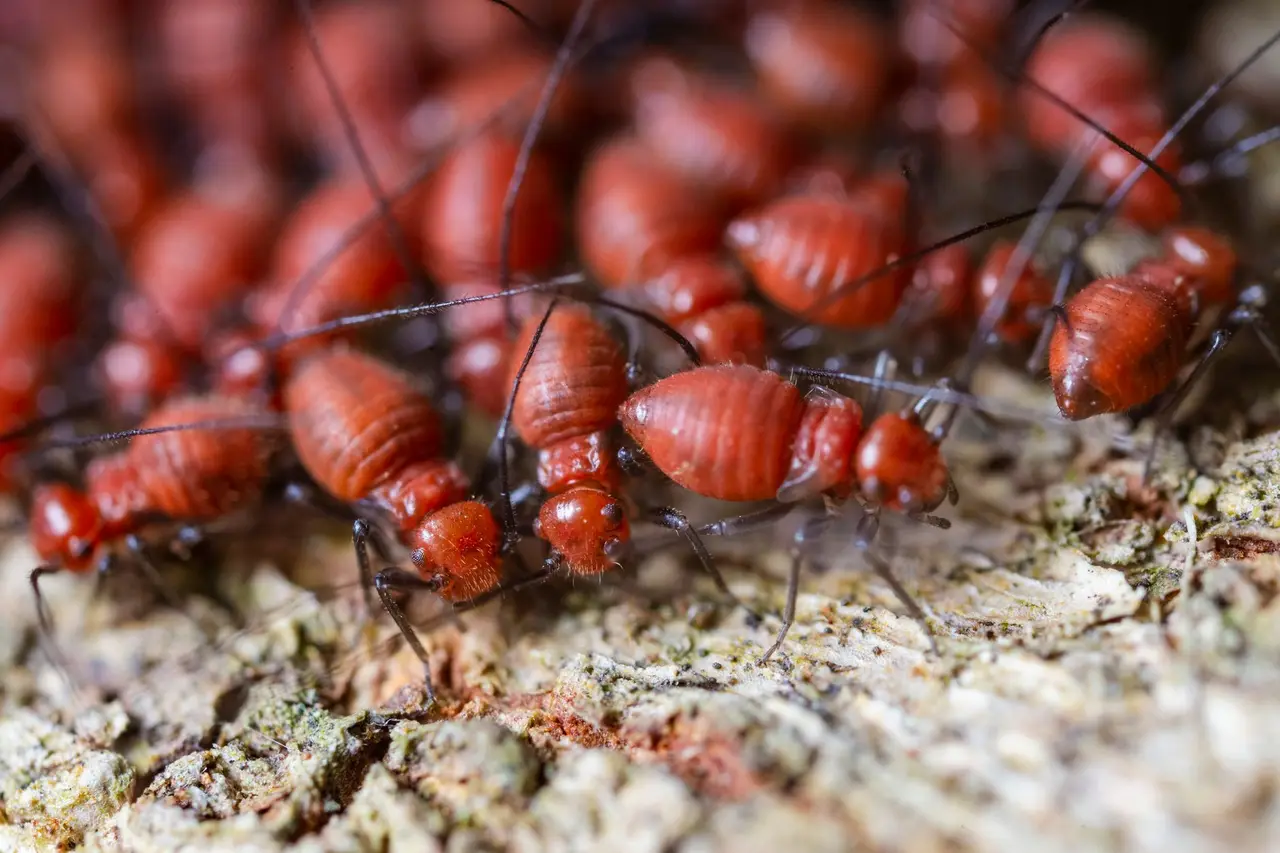
Termites can use hidden routes where soil, moisture, and wood come together. Older homes may have areas that are difficult to see without moving stored items or checking accessible foundation edges, so an inspection matters when damage or mud-like traces appear. We inspect accessible foundation and wood areas, use termite detectors where appropriate, and separate confirmed evidence from unrelated damage. If treatment is warranted, we explain the affected area and prevention steps tied to moisture and inspection access.

Typical 2026 pricing in this area depends on the pest, size of the affected space, access, and whether follow-up visits or exclusion work are needed. A focused inspection and treatment for a limited insect issue may run about $150-$350; rodent control with monitoring and entry-point work may range from $250-$700. Bed bug, wildlife, and termite services require site-specific pricing because the treatment area and preparation differ. We provide upfront pricing before work begins. The best Pest Control Sherwood Forest plan is the one matched to confirmed activity, not an oversized package. Call with the pest, the rooms affected, and any recent signs so we can direct the next step.
A single ant trail takes less time and material than an established cockroach or rodent infestation across several rooms. We consider the pest, how long signs have appeared, and whether activity is present in adjacent spaces before setting the work plan.
Large historic homes, detached garages, attic spaces, and crawlspaces take longer to inspect than one accessible room. Difficult roofline access or multiple outbuildings can add labor and equipment needs, while clear access can keep a visit more focused.
Some problems need monitoring or repeat service to verify that activity has stopped. Sealing a gap, installing an exclusion screen, or addressing several rodent entry points adds work beyond an initial treatment. The inspection identifies which steps are relevant to your property.
Sherwood Forest addresses are easiest to route with a street number and a nearby cross-street. The Sherwood Forest Historic District and Detroit Golf Club are familiar orientation points; Palmer Park, Seven Mile Road, and Woodward Avenue help place the neighborhood within Detroit. We use landmarks to navigate, not as claims about pest conditions. If your home has a rear drive, side gate, or separate garage entrance, include that detail when arranging service so our technician can reach the inspection area efficiently.
The district name identifies the residential area and helps distinguish Sherwood Forest addresses during route planning. A street address remains the best guide for locating an individual property.
Detroit Golf Club is a recognizable nearby orientation point for drivers approaching the Sherwood Forest area. It helps frame directions but does not replace the customer's address or access instructions.
Palmer Park is a nearby Detroit landmark that helps orient a route through this part of the city. We use it only as a navigation reference when discussing directions to a service address.
Seven Mile Road is a major local reference for locating the surrounding north Detroit area. Customers can use it alongside a cross-street to clarify the approach to their block.
Woodward Avenue provides a well-known route reference in Detroit. It helps establish the broader approach to the neighborhood, while the final route depends on the service address and current access.
Seven Mile Road is a major Detroit thoroughfare with businesses and neighborhood destinations along its route. It serves as a practical navigation reference for nearby service appointments.
Woodward Avenue is a prominent Detroit corridor with commercial and civic destinations. Its name helps orient customers and technicians traveling within the city's north-side service region.
Woodward Avenue is a major north-south route used to orient travel through Detroit. The most direct neighborhood approach depends on the customer's specific address.
Seven Mile Road provides east-west access and a familiar route reference near Sherwood Forest. Share your cross-street for accurate final directions.
Our Sherwood Forest service covers homes and properties across the neighborhood, with nearby coverage in Palmer Woods and University District. We plan visits around the address, property access, and reported pest location rather than assuming every block or building has the same layout. The neighborhood's quiet residential streets and large lots make clear arrival directions useful; tell us about gates, rear access, or a detached garage when you call.
Large historic homes can include attics, basements, multiple entries, and exterior details that require a careful inspection. We check the affected space and connected access points, taking care to match treatment and exclusion work to the property's construction. We use your street address and access notes to plan arrival through Sherwood Forest's residential street network.
Palmer Woods sits near Sherwood Forest and includes substantial residential properties and mature landscaping. Our inspections account for long exterior edges, garages, and roof transitions where signs of rodents or wildlife can first appear. Nearby service is coordinated from the Detroit area; share your preferred entrance and any driveway or gate details.
University District is another nearby residential area where homes may have basements, garages, and established landscaping. We address the reported issue while checking related spaces, so a recurring ant trail or rodent sign is traced to its likely route. We route to the address directly and confirm the most useful access point before beginning an inspection.
The area around Detroit Golf Club provides a recognizable point of reference for nearby customers. We use the location for orientation only, then base the service plan on your property's structure, pest evidence, and access conditions. Give us the nearest cross-street or landmark when booking to make arrival instructions precise.
Every home needs a plan based on its actual pest signs, structure, and access. These examples illustrate common service workflows and useful measurements to discuss during an inspection; they are not customer testimonials or claims about completed Sherwood Forest jobs. We document the findings, select control steps, and check whether activity changes over follow-up monitoring.
A homeowner reports mouse droppings in a pantry and scratching near a basement utility opening in a large older house. We inspect the pantry, basement perimeter, and utility opening to map the likely route. Snap traps are positioned in protected locations away from household traffic, and the opening is measured for an appropriate seal. We explain how to store dry goods and what signs to check during the next 7 days. The route is documented with 3 monitoring points, and the customer has a clear follow-up checklist. The 7-day check helps distinguish an isolated sighting from continued activity.
A resident finds an ant trail near a kitchen window that returns after visible ants are wiped away. We follow the trail to the entry area, inspect the window edge and nearby exterior conditions, and choose a targeted treatment suited to the ant activity. We point out food residue and moisture sources to address and place a monitor at the route so changes can be observed. The treatment plan covers the trail and its access point rather than only visible ants. A 10- to 14-day monitoring window gives the household a practical period to report fresh activity.
A homeowner hears repeated movement overhead and notices disturbed insulation near an attic access point. We inspect the accessible attic, roofline, and exterior openings to identify wildlife evidence and likely entry points. After confirming the animal's status, we plan appropriate removal and exclusion rather than sealing an opening prematurely. The customer receives a short list of areas to monitor after the work. The route and affected area are recorded, and 2 roofline access points receive follow-up attention. The inspection reduces guesswork and helps prevent a repeat entry through the same opening.

We found mouse droppings in the pantry of our older Sherwood Forest home. The technician checked the basement and the utility opening instead of leaving traps only in the kitchen. He explained where the signs pointed and how to watch for new activity over the next week. The visit was organized, and we knew what to do after he left.
Ants kept appearing at a kitchen window even after we cleaned the area. The inspection followed the trail to the exterior edge and gave us a clear treatment plan. We also got simple guidance on food storage and what fresh activity would look like. The service addressed the source instead of just spraying the ants we could see.
We heard movement in the attic and were concerned about our roofline. The technician inspected the access points, explained the removal steps, and discussed sealing only after the space was clear. It helped to have the work explained in plain language, with the roof and attic checked as connected parts of the problem.
November brings colder nights and the start of winter rodent pressure, so inspect lower levels, garages, and utility openings now. Michigan's seasonal shifts affect outdoor insect activity, moisture, and how pests use buildings through the year. In spring, check for ant trails and early nesting; summer brings more mosquitoes and stinging insects; fall prompts another close look at exterior gaps. Affordable pest control in Sherwood Forest starts with addressing the right issue early and choosing treatment that fits the season.
As temperatures rise, ants and other insects become more visible, and winter moisture can reveal gaps around doors or foundations. Check basements and exterior walls after heavy rain, and look for early wasp activity near eaves before a nest grows.
Mosquitoes, ticks, ants, and stinging insects are more noticeable during warm weather. Standing water in containers can support mosquito breeding, while wasp nests near doors or roof edges create a risk in regularly used areas.
Cooling temperatures can move mice and other rodents toward sheltered indoor spaces. Leaves and stored items can also obscure gaps around foundations, garages, and outbuildings, making an exterior check useful before winter weather settles in.
Rodent signs can become more apparent in basements, attics, and wall voids as animals seek shelter. Indoor warmth also makes quiet movement easier to notice at night, while exterior insect activity generally drops with cold temperatures.
Sherwood Forest is part of Aardvark Motown Pest Control's broader Detroit service area. We coordinate residential and business appointments across nearby neighborhoods while keeping each visit tied to the structure and pest evidence at that address. Customers who manage multiple properties can use the related location pages to find service information for other Detroit districts. Regional routes remain within Detroit and the surrounding Wayne County service area.
Downtown Detroit is south of Sherwood Forest within the same city service area; route time varies with traffic and the exact address.
Local coverage and details
Midtown Detroit lies south of Sherwood Forest, connecting residential and institutional districts across Detroit.
Local coverage and details
Corktown is a separate Detroit neighborhood farther southwest; appointments there are coordinated as part of our citywide coverage.
Local coverage and details
Mexicantown is in southwest Detroit and falls within the same broader service region, though it is not adjacent to Sherwood Forest.
Local coverage and detailsA strong pest technician should be able to explain the evidence, the treatment target, and what you should notice afterward. In Sherwood Forest, ask how the inspection will cover a large home, detached spaces, and possible access points rather than accepting a quick application with no diagnosis. Ask about product placement and label directions if children or pets use the area. Clear answers help you compare service plans by the work performed, not by a vague promise.
A sighting in one room may connect to another space through a wall, utility route, or roofline. A technician who explains the inspection path is more likely to identify the source instead of treating only the visible symptom. Ask which areas need access before the visit.
The answer should connect a pest identification to signs such as droppings, trails, nests, or damage. A good plan names the treatment target and explains why that approach fits your property. If the method is not tied to evidence, ask for a clearer inspection explanation.
Treatment placement and preparation depend on the product label and the areas being serviced. The technician should identify where materials will be used, whether items need to be moved, and any re-entry instructions. This matters especially in kitchens, basements, and rooms used every day.
Some problems require monitoring to confirm that activity has stopped, while others may be resolved in a focused visit. Ask when to expect a check and what fresh evidence should prompt another call. A useful answer sets a practical timeframe without promising an unsupported result.
Michigan pesticide work is governed by applicator and product-label requirements. Ask which license applies to the service and whether the technician follows the product directions for the specific site. A direct answer shows that safety and compliance are part of the work plan.
National Pest Management Association
National Pest Management Association
General liability coverage for pest control operations
Member
Industry participant
A focused insect treatment often runs about $150-$350, while rodent work with monitoring may range from $250-$700. Typical 2026 pricing depends on pest type, property size, access, and follow-up needs. Large homes, attics, detached garages, or exclusion repairs can add labor. We inspect the issue and provide upfront pricing before work begins.
Choose a company that inspects the structure, identifies the pest, and explains treatment and follow-up in plain language. Aardvark Motown Pest Control has served Detroit-area customers for 46 years, with service for Sherwood Forest homes and nearby neighborhoods. Ask about Michigan applicator requirements, product placement, and how the technician will check connected spaces.
You need an inspection when you find fresh droppings, repeated scratching, a returning insect trail, a nest near an entry, or possible termite evidence. Not every sighting means an infestation, but repeated signs deserve attention. Our residential pest control Sherwood Forest service traces evidence to the likely route and explains the next practical step.
Rodents, ants, spiders, mosquitoes, stinging insects, termites, and occasional wildlife are concerns homeowners may encounter in the area. The pest at any one home depends on its construction, season, moisture, and access points. We identify the species and inspect the affected rooms or exterior areas before selecting a treatment.
Compare the inspection process, Michigan licensing, treatment explanation, follow-up plan, and price clarity. Ask whether the technician checks basements, attics, garages, and exterior gaps when those areas relate to the evidence. If you need same-day pest control Sherwood Forest MI service, describe the pest and location when calling so we can discuss the next opening.
Not seeing your question? Our local team can help you understand urgency, scheduling and what to expect.
Ask the local team
Call Aardvark Motown Pest Control at (313) 879-5917 to discuss insects, rodents, bed bugs, termites, or wildlife at your property. Our regular phone hours are Monday through Friday, 8:00 a.m. to 6:00 p.m.; leave a message outside those hours and include your Detroit neighborhood and the pest activity you noticed. We will respond during business hours.