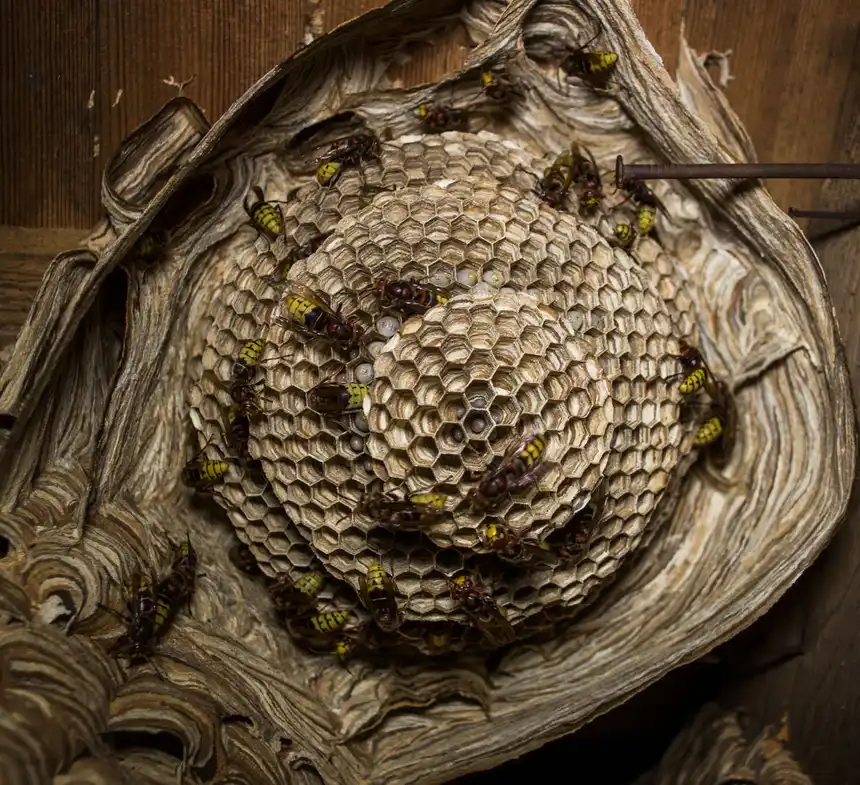
Flea and tick control for Detroit pet owners
Fleas and ticks can follow pets indoors long after a walk. Learn how Detroit owners can treat pets and rooms, prevent another cycle, and know when to call for help.
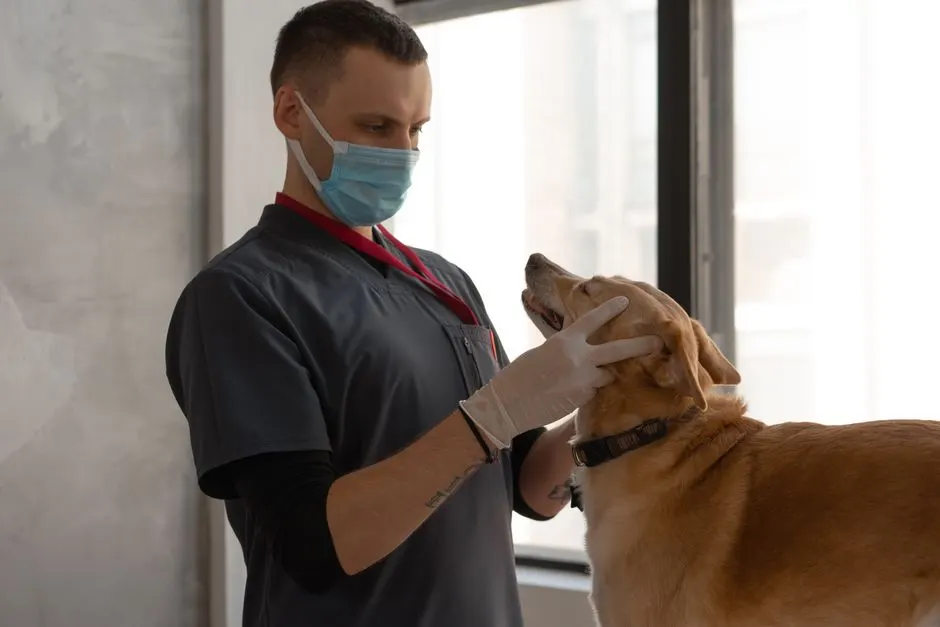
Flea and tick control for Detroit pet owners works best when you treat the animal, the indoor environment, and the outdoor areas your pet visits together. For fleas, vacuuming, laundering pet bedding, and a veterinarian-approved product interrupt the life cycle; for ticks, daily checks and yard-edge management reduce the chance one rides indoors. The difference matters: flea eggs and immature stages hide in the home, while ticks usually arrive from vegetation on a person or animal. We explain how to identify the source, what to do in a Detroit house or apartment, and when our team can help with a persistent infestation.
Flea and tick control for Detroit pet owners is an integrated pest-management approach that removes existing pests and reduces the conditions that let them return. A single spray rarely solves the whole problem.
Why Detroit pet homes get fleas and ticks
Fleas and ticks reach Detroit homes through pets, wildlife, shared outdoor spaces, and seasonal conditions that favor activity. A dog can pick up a flea in a yard or common hallway, and a tick can attach during a walk through brush before either pest is noticed.
Once a fertilized female flea is on a pet, she can lay dozens of eggs a day. Those eggs fall into rugs, floor cracks, pet beds, and sofa seams. Larvae avoid light and settle into protected spots; pupae can remain inside their cocoons until movement, warmth, or carbon dioxide signals a host is nearby. That delayed hatch explains why you can see new adult fleas after vacuuming or treating your pet.
Detroit's warm months bring more outdoor activity, but indoor heating can keep flea development going through winter. Ticks are most active when temperatures are above freezing, with spring and fall often important periods for checking pets. Greenways, wooded lots, tall grass, and leaf litter around property edges are higher-risk places than a closely cut lawn.
Fleas and ticks are not a sign that a home is dirty. They are hitchhikers, and both city homes and suburban yards can give them a route indoors. We serve Detroit owners looking for Pest Control Detroit MI and focus on finding the conditions that keep a pest problem active rather than treating only the spot where you saw one.
How do I control fleas and ticks in my Detroit home?
To control fleas and ticks in a Detroit home, start with a veterinary-approved pet treatment, then vacuum and wash the places your pet rests while reducing tick habitat outside. Repeat cleaning on a schedule for at least 2 to 3 weeks, because flea eggs and pupae do not all become visible adults at once.
Begin with a careful inspection: check the pet's bedding, favorite resting areas, carpet edges, upholstered furniture, and the baseboards near those spots. Flea dirt looks like black pepper; dampen a few specks on white tissue, and reddish-brown smearing suggests digested blood. A flea comb can help you find adults or flea dirt, but the absence of visible fleas does not rule out eggs or pupae nearby.
- Vacuum carpet, rugs, upholstery, floor edges, and under furniture daily during the first week of active control.
- Empty the vacuum outdoors into a sealed bag after each use so captured fleas do not escape inside.
- Wash pet bedding and washable throws at the hottest temperature the fabric label allows, then dry them fully.
- Use a lint roller or flea comb to inspect pets, especially around the neck, belly, tail base, and between toes.
Keep vacuuming several times a week afterward, particularly where the pet sleeps. If you have hardwood or vinyl floors, pay attention to seams, rugs, and gaps rather than assuming smooth flooring makes the room flea-proof.
For a confirmed infestation in multiple rooms, our Flea Control Detroit MI service focuses on the affected interior and the pest's life cycle. We look at pet resting areas, floor coverings, and likely entry routes before recommending treatment, so you are not left treating one room while fleas continue emerging elsewhere.
Treat your pet and home as one problem
Flea treatment for a Detroit home only holds if the pet receives an effective, correctly timed product at the same time. Ask your veterinarian to select a flea and tick product based on your animal's species, age, weight, health, and other medications.
Never apply a dog product to a cat unless its label specifically permits that use. Some ingredients that are safe for dogs are dangerous to cats. Avoid combining collars, spot-ons, sprays, and oral treatments without veterinary direction, and follow the label's bathing and reapplication instructions exactly.
We treat the home environment, not the animal. Your veterinarian handles pet medication; we help address adult fleas and immature stages in the indoor areas that support an infestation. For a widespread Detroit flea problem, coordinated timing matters: treating the room while untreated pets continue to bring in fleas usually prolongs the cycle.
In a multi-unit building, let your landlord or property manager know if pests appear in shared hallways or several apartments. A unit-by-unit response can miss a common source such as a shared laundry area, basement, or a neighboring pet. In older Detroit homes, original floor gaps and deep carpet edges can also shelter flea stages that ordinary surface cleaning does not reach.
If you are also seeing unrelated household pests, a targeted inspection can separate those issues from fleas; our General Pest Control Detroit MI service addresses common indoor pest activity without treating every sighting as the same problem.
Detroit flea and tick prevention through the seasons
Detroit flea and tick prevention in November starts with checking pets after outdoor trips and keeping indoor flea control consistent, then shifts to yard preparation before spring activity returns. A hard freeze reduces some outdoor tick activity, but it does not instantly clear every sheltered tick or stop flea stages already developing inside a heated home.
In spring and summer, inspect your pet after walks, dog-park visits, and time in tall grass. Ticks often attach around the ears, under the collar, between the toes, under front legs, and around the tail. Use a fine-tipped tool to grasp a tick close to the skin and pull steadily upward; avoid crushing it with bare fingers or burning it.
Keep the lawn trimmed and remove leaf litter along fence lines and the edges of patios. Where practical, create a 3-foot-wide barrier of wood chips or gravel between lawn and brush, and keep play areas away from dense vegetation. These changes do not guarantee a tick-free yard, but they reduce the habitat that encourages ticks to wait near regular routes.
In fall, rake leaves promptly and keep pets from bedding down in piles near shrubs or sheds. In winter, keep using veterinarian-recommended prevention if your vet advises it, because fleas can survive indoors year-round. If ticks are repeatedly found after walks, examine the route and avoid brushy edges until you have a prevention routine in place.
Detroit neighborhoods differ from block to block: a fenced, closely maintained yard presents different exposure than a home bordering a vacant lot or wooded strip. For owners who need support beyond the home's interior, Tick Control Detroit MI can address outdoor tick activity as part of a broader prevention plan.
Common mistakes that keep fleas coming back
Fleas keep returning in Detroit homes when treatment stops after visible adults disappear or when the pet, rooms, and outdoor exposure are handled separately. The eggs and pupae you cannot see are often the reason a household seems clear, then has new bites a week later.
- Stopping too soon: Continue vacuuming and follow the product's label or professional instructions through the full treatment period; an emerging flea is not proof the work failed.
- Using a fogger as the whole plan: Aerosol fog often misses protected spaces beneath furniture, inside cracks, and where larvae develop.
- Skipping pet treatment: Adult fleas can keep laying eggs if an untreated animal remains a host.
- Mixing products: Combining chemicals or using a product on the wrong animal risks poisoning without improving control.
- Ignoring ticks after a walk: A quick inspection can catch an attached tick before it stays hidden under a collar or in a coat.
Do not apply outdoor pesticides to pets, pet bedding, or indoor flooring unless the label specifically allows that use. Keep children and animals away from treated surfaces for the label's stated period. More product is not better; the correct placement and timing matter more than coating every surface.
It also helps to distinguish fleas from other causes of itching. Flea dirt, a live flea, or a vet's finding gives you a stronger starting point than bites alone, which can have several causes. If itching continues after parasite prevention begins, ask your veterinarian to check for skin irritation or another condition rather than repeatedly changing products.
When to call a professional
Call a Detroit pest professional when fleas appear in several rooms, keep emerging after 2 to 3 weeks of coordinated cleaning and pet treatment, or return despite following product directions. A professional can identify likely breeding areas, select a treatment suited to the home, and explain what to do before and after service.
Our technicians inspect the rooms where pets spend time and look for activity along carpet edges, under furniture, and around bedding. We explain the preparation and re-entry directions for the product used, then tell you what signs to expect as hidden stages continue to emerge. Treatment is not a substitute for your veterinarian's pet-care plan, so keep that prevention current during the process.
For a small, early problem, you may be able to get control with regular vacuuming and veterinary care. A heavier infestation, recurring activity in a rental building, or uncertainty about a product is a good reason to have Aardvark Motown Pest Control assess the situation and lay out a practical next step.
Frequently Asked Questions
What is the best flea treatment for Detroit pets?
The best flea treatment is a veterinarian-selected product matched to your pet's species, age, weight, and health. Many products need regular monthly or longer-interval dosing, but the schedule depends on the label and the individual animal. Treat every eligible pet in the household as directed, and never use a dog-only product on a cat.
Are fleas and ticks common in Detroit MI?
Yes. Fleas can be active indoors year-round in heated Detroit homes, while ticks are a concern during warmer periods and can remain active on mild days above freezing. Pets that visit parks, brush, leaf litter, or shared yards face more exposure, so check them after outdoor trips and maintain veterinary-approved prevention.
Do I need an exterminator for fleas in Detroit?
Not always. A small problem caught early may respond to pet treatment from your veterinarian plus daily vacuuming and hot laundering for 2 to 3 weeks. Call a professional if fleas are in several rooms, persist despite consistent steps, or keep returning in a multi-unit home where the source may extend beyond your apartment.
How do I prevent fleas in Detroit, Michigan?
Use veterinarian-recommended prevention on pets throughout the schedule your vet advises, wash bedding weekly during active risk, and vacuum pet resting areas at least once a week. After an infestation, vacuum daily for the first week and several times weekly afterward. Keep yards trimmed and remove leaf litter where pets play.
How do I remove a tick from my pet?
Use fine-tipped tweezers to grasp the tick as close to the skin as possible, then pull upward with steady, even pressure. Clean the bite area and your hands afterward, and contact your veterinarian if the mouthparts remain, the skin becomes inflamed, or your pet develops unusual symptoms. Save a photo or the tick in a sealed container if your vet requests it.
Get help with Pest Control in Detroit
Persistent fleas or repeated tick activity deserve a plan that accounts for your pet, your rooms, and the places you walk. Call Aardvark Motown Pest Control at (313) 879-5917 to discuss the next step for your Detroit home.